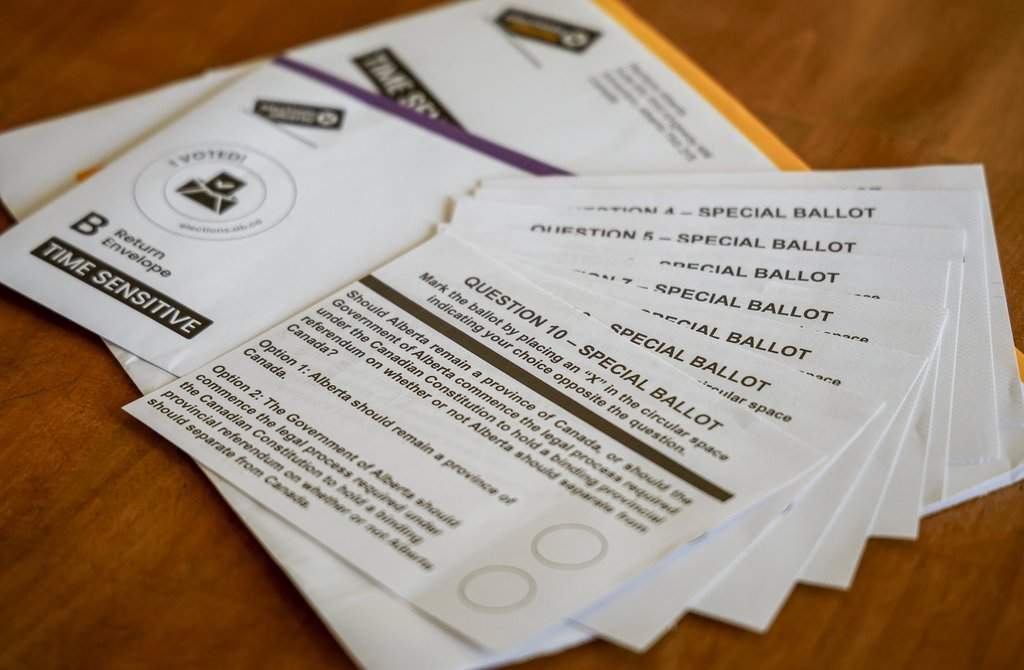
When voters across Alberta logged onto commercial chatbots and search engines to unpack the province's high-stakes October 2026 referendum, they were not greeted by objective clarity. Instead, they stepped into a shifting hall of mirrors. Ask a generative AI model whether an independent Alberta would face higher taxes or see its pension system collapse, and the response shifted wildly depending on the hour. One afternoon brought a cautious warning about fiscal instability; the next morning brought an optimistic breakdown suggesting fiscal autonomy.
This instability exposed a structural vulnerability in how modern democratic electorates consume policy. As voters turned away from traditional media to query artificial intelligence platforms for plain-language breakdowns of the ten complex ballot questions—spanning immigration, federal transfers, and the structural integrity of Confederation—they encountered an unregulated information intermediary. The machinery powering these tools did not evaluate truth; it interpolated probabilities. In doing so, it became an active participant in shaping the outcome of a provincial crisis.
The Mechanics of Machine Ambiguity
The problem with relying on large language models for electoral decisions goes deeper than simple factual errors. Traditional disinformation campaigns rely on outright fabrication, but algorithmic ambiguity is far more insidious. When researchers from McGill University’s Centre for Media, Technology and Democracy tracked online discourse surrounding the vote, they documented systemic inconsistencies in how AI engines answered foundational questions about separation.
The underlying architecture of commercial search and chat products pulls from an unvetted web ecosystem where fringe forums, partisan advocacy sites, and rigorous economic analyses sit on equal footing. When an algorithm synthesizes these inputs, it flattens nuance.
Consider a hypothetical voter in Red Deer trying to determine what happens to federal pensions post-separation. If the model's training weights happen to ingest a flurry of newly generated blog posts or social media feeds from advocacy networks on a given Tuesday, its output skews defensive. If those weights update following a wave of corporate press releases on Wednesday, the tone shifts. Voters mistake this algorithmic volatility for neutral analysis. They treat the chatbot as an oracle, unaware that they are reading a statistical average of the internet's loudest arguments.
Synthetic Influencers and the Attention Economy
Beyond automated text generation, the political theater surrounding the vote featured a heavier reliance on deepfake networks than any prior Canadian electoral event. Security researchers identified hundreds of automated TikTok and Instagram accounts utilizing synthetic media—cloning the faces and voices of local commentators and ordinary citizens to push divisive talking points.
These operations bypassed traditional gatekeepers entirely. By exploiting short-form video algorithms that reward emotional engagement, the networks bypassed the friction of formal campaign advertising laws.
The strategy worked because it targeted fatigue. Modern voters, exhausted by polarized cable news and endless institutional friction, welcomed content that promised straightforward answers. Synthetic influencers delivered those answers with unwavering, machine-generated confidence. Even when regulatory bodies like Elections Alberta issued stern warnings about the untrustworthy nature of AI-derived election data, the sheer volume of synthetic commentary overwhelmed official channels.
The Failure of Institutional Preparedness
Electoral oversight bodies across North America were built for an analog era of paper ballots, town halls, and heavily audited print advertising. They were never designed to police generative text models or offshore deepfake networks operating outside domestic jurisdiction. When a foreign-backed or profit-driven network spins up thousands of automated social accounts to farm engagement off a provincial fracture, local election commissioners find themselves entirely outmatched.
The provincial government's official information booklets, funded by millions in taxpayer dollars, were routinely dismissed by opponents as partisan propaganda. This vacuum of trust opened the door for commercial AI tools to fill the void. When citizens lose faith in institutional transparency, they outsource their critical thinking to the nearest accessible software interface.
We are left staring at the skeleton of a democratic process mediated by black-box algorithms. The issue is no longer just about whether an independent Alberta is economically viable or whether voters made the right choice on the ballot. The crisis centers on the degradation of a shared baseline of reality. When every citizen receives a customized, algorithmically massaged version of the facts, a coherent public square ceases to exist.
The voting booths closed, but the machinery that confused, divided, and directed the electorate remains fully operational, quietly drafting the rules for the next constitutional showdown.