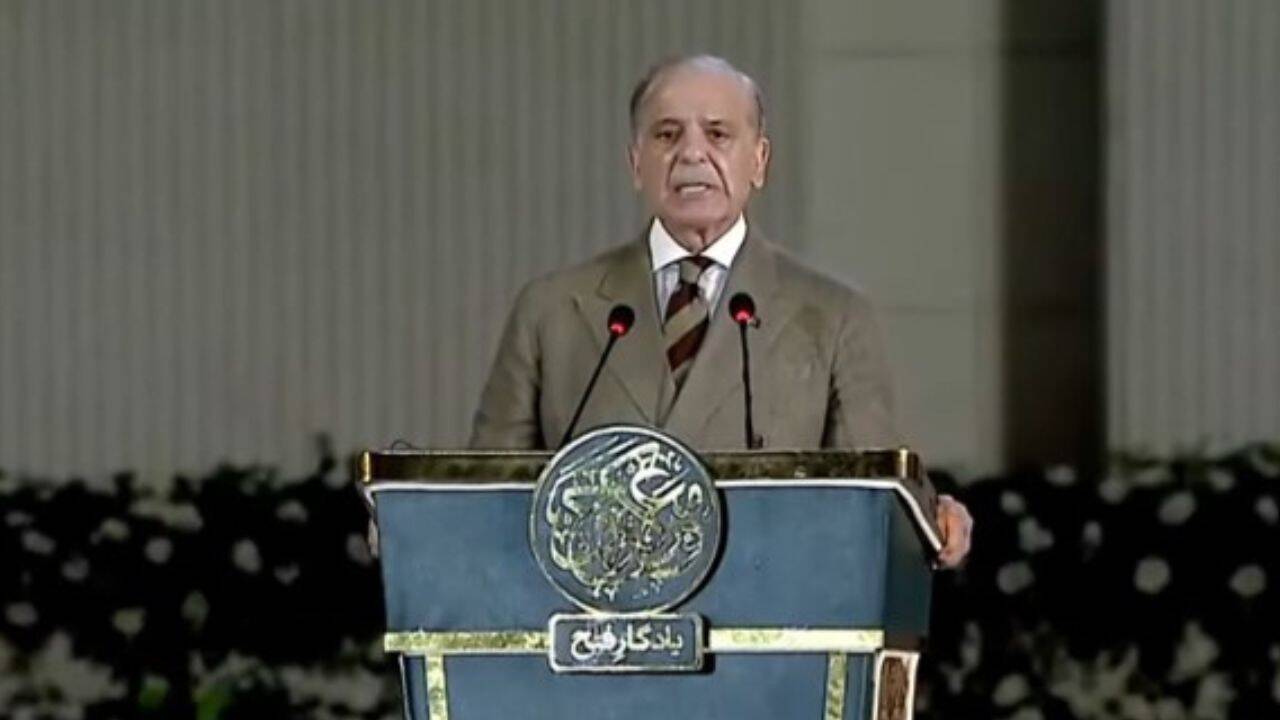
Geopolitical rhetoric in South Asia just crossed a dangerous line. Pakistan Prime Minister Shehbaz Sharif used an Independence Day address to declare that every single drop of his nation's water is a non-negotiable red line. He threatened a direct military response if India refuses to alter its current course regarding the historic water-sharing pact.
If you wonder why a decades-old water agreement suddenly triggers threats of war, you need to look at how security, terrorism, and environmental resources have become completely intertwined. Water isn't just a utility here. It's an existential flashpoint.
The Breaking Point of the 1960 Treaty
For over six decades, the Indus Waters Treaty survived multiple wars and deep-seated diplomatic freezes. Brokered by the World Bank back in 1960, the pact divided the river system. India got the eastern rivers, while Pakistan relied heavily on the western flows of the Indus, Jhelum, and Chenab.
That fragile stability shattered following a major terror attack in Pahalgam, Jammu and Kashmir, which claimed twenty-six lives. New Delhi responded swiftly by placing the treaty in abeyance, asserting that normal diplomatic and resource-sharing pacts cannot function while cross-border attacks continue. Prime Minister Narendra Modi's stance remains firm: blood and water cannot flow together.
Pakistan views this suspension as an illegal, unilateral chokehold on its agricultural backbone. When Sharif stands at a podium and vows retaliation, he's playing to a domestic audience grappling with severe internal economic and security strains, yet the underlying resource anxiety is entirely real.
Local Realities and Domestic Pushback
The political fallout stretches far beyond Islamabad and New Delhi. Regional leaders within Jammu and Kashmir have voiced sharp frustrations over the historical terms of the agreement itself.
Jammu and Kashmir Chief Minister Omar Abdullah pointed out that the 1960 arrangement severely restricted the region from utilizing its own water resources for local power generation and drinking supply. From this perspective, the freezing of the treaty opens a long-shut door for local development, making any compromise politically toxic for Indian leaders who want to empower the union territory.
Meanwhile, Pakistan faces mounting internal pressures, from militant violence in its western provinces to deep economic instability. Threatening a direct response over water allows leadership to project strength outwardly, even as internal fractures widen.
What Happens Next on the Border
The risk of miscalculation is higher than ever. Both nuclear-armed neighbors already tested the limits of conventional deterrence during brief military clashes. With international courts weighing in on whether a treaty can be unilaterally suspended, legal arguments are colliding directly with hard military posturing.
Expect zero diplomatic movement in the near term. India demands verifiable action against cross-border networks before touching the water question again, while Islamabad frames the restriction of western rivers as an act of war. Monitor regional defense updates and international arbitration rulings closely, because this standoff is defining the new normal of South Asian diplomacy.
Shehbaz Sharif Warns India Over Indus Waters Treaty
This video provides coverage of the speech where Pakistan Prime Minister Shehbaz Sharif issued direct warnings regarding the Indus Waters Treaty and regional security tensions.
http://googleusercontent.com/youtube_content/1