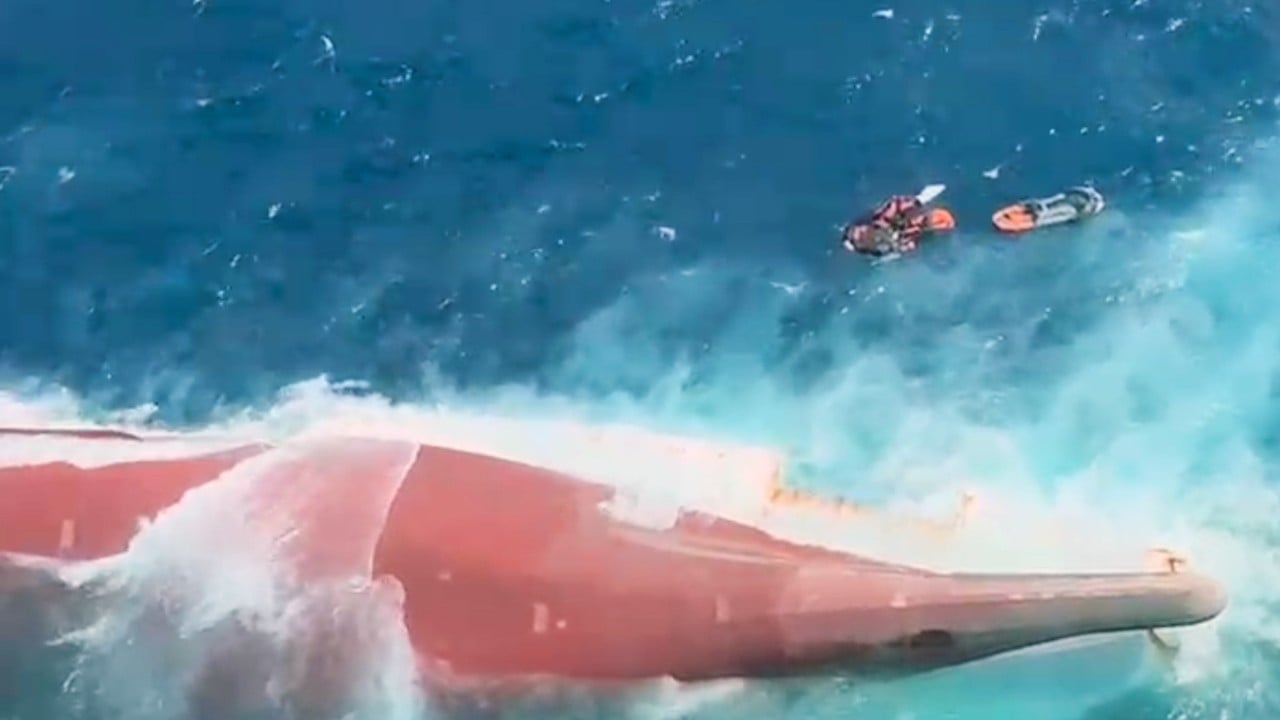
Water dictates life across Indonesia's seventeen thousand islands. For millions of people, a rusted roll-on/roll-off passenger ferry is just a commuter bus, the only affordable bridge connecting Java, Bali, Sulawesi, and remote coastal villages. But that reliance comes with a dark, recurring cost. When disasters strike—like the tragic sinking of the KMP Tunu Pratama Jaya or devastating fires aboard vessels like the KMP Mutiara Sentosa II—the public outcry is loud, immediate, and painfully familiar. Then, the news cycle fades, old habits return, and the next overloaded hull heads out into rough seas.
Right now, though, the political and public reckoning feels different. A relentless wave of maritime accidents has pushed lawmakers, transport officials, and ordinary citizens to ask a blunt question: how many more people have to die before oversight stops being a suggestion?
The Anatomy of Preventable Disasters
You cannot look at Indonesia's maritime incidents as mere acts of god. Sure, the archipelago faces severe weather, volatile tropical squalls, and treacherous straits like the Bali Strait. Yet, looking closely at official investigations by the National Transportation Safety Committee (KNKT) reveals human error, corporate shortcuts, and regulatory negligence at the root of nearly every major tragedy.
Passenger manifests are routinely inaccurate. It is an open secret in many ports that ticketing systems fail to track the exact headcount of travelers and vehicles crammed onto car decks. When a ship encounters high waves or catches fire, rescue teams are left flying blind, trying to figure out how many souls were actually on board.
Take the recurrent issue of fires starting on vehicle decks, mirroring past nightmares like the infamous Tampomas II disaster decades ago. When safety equipment is missing, expired, or locked away, crew members untrained in hands-on crisis management stand paralyzed. Drills remain checkbox exercises on paper rather than rigorous practical training. If a crew has never run a real evacuation under pressure, they won't know how to do it when panic sets in and power fails.
Why Paper Compliance Falls Short
The Indonesian government isn't sitting entirely idle. The Ministry of Transportation routinely steps up inspections, issuing new directives for vessel self-inspections, mandatory emergency drills, and stricter hull and machinery checks. Lawmakers are demanding stricter age caps on imported second-hand ferries, many of which arrive from overseas after decades of heavy service.
Yet, rules on paper mean very little at a busy regional port before dawn. Local harbor officials often face immense pressure to keep commerce moving. Delayed sailings mean spoiled cargo, angry passengers, and economic bottlenecks. When inspectors look the other way because a bribe changes hands or because a port lacks the staff to properly audit every departing ship, safety certificates become worthless pieces of paper.
Enforcement has to be decentralized and ruthless. Suspending operators who skip routine dry-dock maintenance or ignore structural wear must become the absolute baseline, not an emergency reaction after a hull goes down.
What Needs to Change Right Now
Fixing an ingrained maritime safety crisis requires a total cultural reset among operators, regulators, and travelers alike.
- Digitized Manifests: Port authorities must implement mandatory digital ticketing linked directly to government ID systems before any passenger steps onto a gangway. No more guessing who is on board.
- Real-World Crew Training: Emergency drills must include unannounced practical tests monitored by independent bodies. Crews need to prove they can deploy life rafts and manage fire suppression systems in pitch darkness.
- Zero Tolerance for Overloading: Vehicle weight limits and passenger maximums must be monitored with automated weighbridges and turnstiles at every major terminal.
- Weather-Grounded Departures: Port masters must face strict liability if they clear vessels to sail into known severe weather warnings just to keep schedules on time.
Indonesia's maritime lifeline shouldn't feel like a lottery. Until the penalty for cutting corners outweighs the profit of running substandard ships, the country will keep facing the same tragic reckoning over and over again.