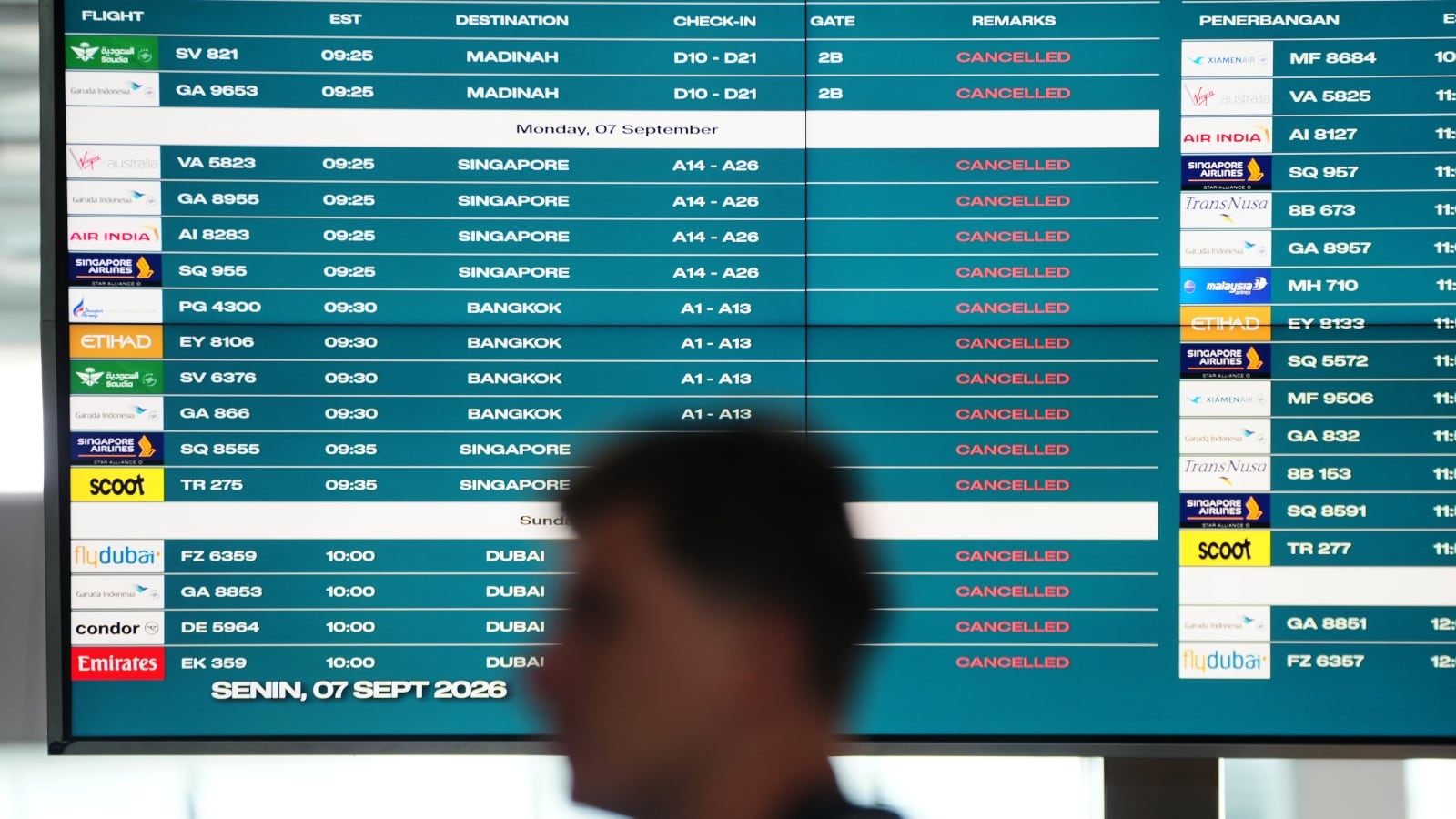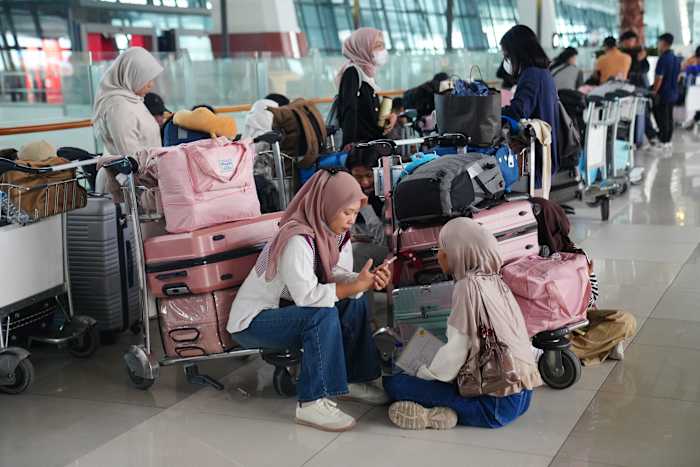
Planes are moving again over Jakarta. The two-day shutdown caused by Mount Anak Krakatau's angry outbursts finally ended early Tuesday, leaving thousands of travelers breathing a sigh of relief. Nearly 3,000 flights were grounded, halting travel for roughly 341,000 passengers who found themselves stuck in endless terminal queues. Soekarno-Hatta International Airport and Halim Perdanakusuma opened back up shortly past midnight once safety checks cleared the airspace.
If you travel through Southeast Asia often, you know this script by heart. Nature throws a tantrum, aviation authorities slam the brakes on flights, and travelers panic. But standard travel advice tells you to just "check with your airline," which is practically useless when entire regional hubs go dark. Let's look at what actually happens on the ground during these closures and how you can protect your itinerary when Indonesia's volatile geology decides to disrupt your plans.
The Reality of Volcanic Ash Closures
Volcanic ash is not like regular dust or smoke. It consists of microscopic, jagged particles of glass and pulverized rock. Jet engines ingest this abrasive material, which melts in the scorching combustion chambers, coats turbine blades, and chokes the engine until it fails entirely. Aviation regulators take zero chances with it.
When Anak Krakatau blew its top, sending lava fountains skyward and blanketing regional airspace, transport officials had no choice. Eight airports shut down over the weekend. Minister of Transportation Dudy Purwagandhi pointed out that the cautious approach was mandatory because high-altitude winds shift unpredictably. Even after visible eruptions subside, microscopic particulate matter lingers in the upper atmosphere.
Airlines hate these closures as much as you do. Grounded planes lose money, schedules fracture, and crew members get stranded out of position. Yet reopening an airport too early invites catastrophe. Inspectors need time to check runways, taxiways, and external aircraft sensors for residual grit before greenlighting departures.
Surviving the Ground Stop
Getting caught in a massive aviation shutdown tests your patience. Over 600 international flights were canceled during this recent two-day crisis, leaving terminals packed past capacity.
When your flight gets canceled due to natural disasters, traditional customer service desks become absolute war zones. Hundreds of angry people line up to talk to two stressed gate agents. You shouldn't waste your time standing in those physical queues.
Instead, open your airline's mobile app right away or call their international customer support line while simultaneously messaging them on social media channels. Automated rebooking systems often process changes faster than human agents can type. If you hold elite status with an alliance, use the priority phone numbers meant for frequent flyers.
Accommodation rights also catch many travelers off guard. Airlines generally provide food vouchers and hotel rooms for delays within their control, but natural disasters usually fall under extraordinary circumstances or force majeure clauses. Travel insurance becomes your absolute best friend here. Policies that cover trip interruption due to natural hazards will reimburse your sudden hotel stays and extra meal costs, while standard credit card travel protections might also apply if you booked your ticket using plastic with built-in insurance.
Living With an Active Ring of Fire
Indonesia sits right on the Pacific Ring of Fire, hosting nearly 130 active volcanoes. Eruptions like the recent activity at Anak Krakatau or past blasts from Mount Lewotobi are facts of life here, not rare anomalies. Local authorities monitor these mountains constantly, keeping exclusion zones and alert tiers active.
Schools near affected zones frequently pivot to online classes during severe ashfall to protect children's lungs, and local communities practice quick evacuation drills. For travelers, flying through this region requires adopting a flexible mindset.
Always build buffer days into your schedule when transiting through major hubs like Jakarta or Bali if you have tight connecting trains, cruises, or international long-haul flights ahead. Download local tracking apps, watch aviation advisory center updates, and keep essential medications and chargers in your carry-on bag so a sudden two-day airport pause doesn't turn into an absolute logistical nightmare. Check your carrier's waiver policies the moment an eruption makes the news, rebook proactively before seats run out, and keep moving forward.