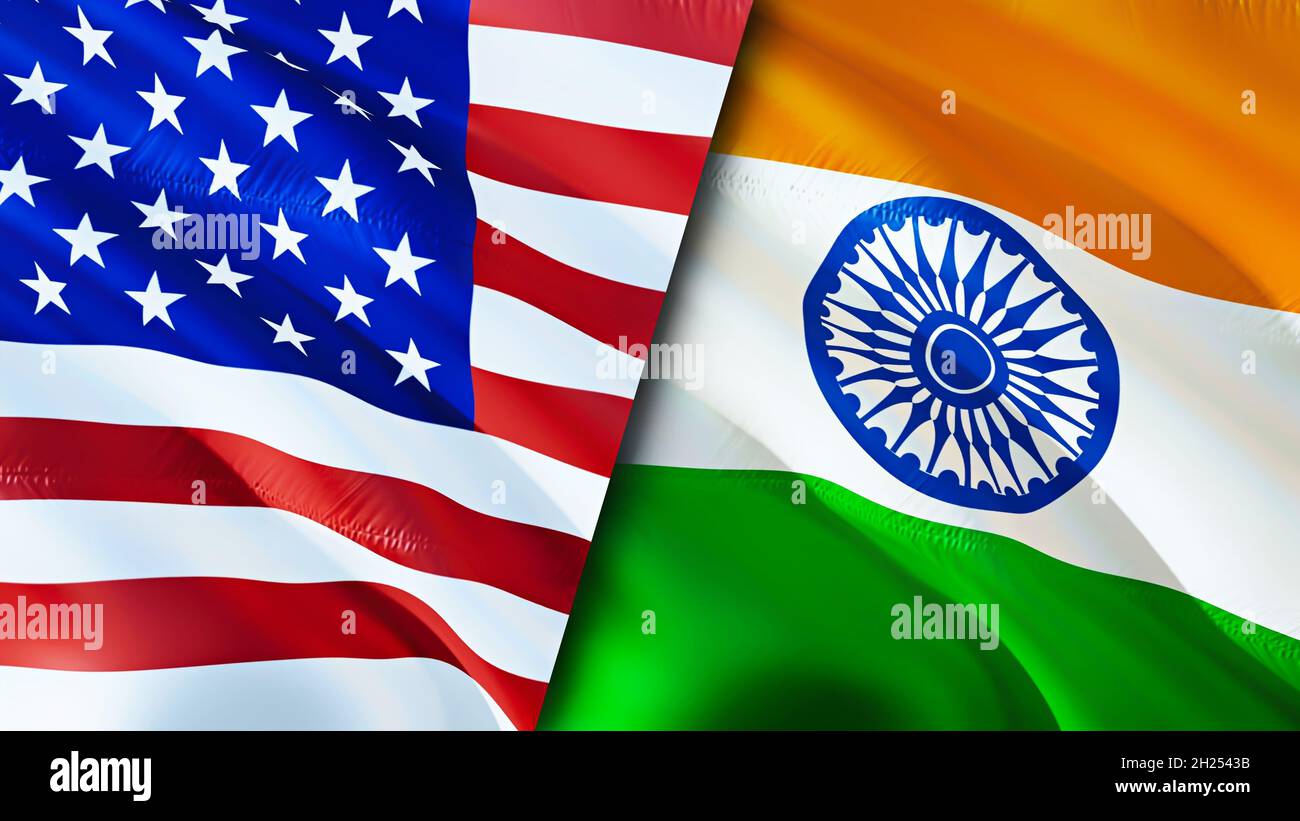
Energy security isn't just a talking point for diplomats anymore. It's a survival strategy. When Union Minister Hardeep Singh Puri sat down with US Ambassador Sergio Gor recently, they weren't just swapping pleasantries. They were sketching out the future of how two of the world's largest consumers of power will keep the lights on without breaking the bank or the planet. This meeting signals a shift in how India views its "Strategic Clean Energy Partnership" with Washington. It’s about moving beyond simple buyer-seller dynamics into something much more integrated.
The Reality of India and US Energy Ties
India imports a massive chunk of its crude oil and natural gas. That makes the country vulnerable to every hiccup in the Middle East or Eastern Europe. By strengthening ties with the US, India is basically buying an insurance policy. The United States has transformed into a massive energy exporter over the last decade. It’s no longer just about Silicon Valley and Hollywood. It’s about Permian Basin shale and Gulf Coast LNG terminals.
Hardeep Singh Puri has been vocal about "energy justice." He means that for a developing economy like India, energy has to be affordable and accessible. You can't run a superpower-in-waiting on high-priced spot market gas. The discussion with Sergio Gor focused on making these supplies more predictable. We aren't just talking about shipping barrels of oil. We're talking about long-term contracts that provide price stability for Indian refineries and consumers.
Moving Past Fossil Fuels Together
Green hydrogen is the new gold rush. Both nations know it. During the meeting, the focus wasn't just on the stuff we pull out of the ground. It was about the stuff we build. India has set some of the most ambitious renewable energy targets on earth. But to hit 500 GW of non-fossil capacity by 2030, India needs technology. Specifically, it needs the kind of tech coming out of American labs and startups.
The US-India Strategic Clean Energy Partnership (SCEP) is the engine here. It covers everything from power grid modernization to battery storage. Think about the scale. If India can successfully deploy US-developed storage technology at a massive scale, it solves the "intermittency" problem of solar and wind. That’s a win for Indian industry and a massive market for US firms. It's a rare moment where the environmental goals actually align perfectly with the profit motives.
Why Sergio Gor Matters in This Equation
Ambassador Sergio Gor isn't just another career diplomat. His background suggests a focus on results and streamlined communication. In the world of energy, speed is everything. Projects often get stuck in "permitting hell" or bureaucratic loops. The fact that Puri and Gor are meeting so early and so frequently suggests a desire to cut the red tape.
India’s energy demand is expected to grow faster than any other country over the next two decades. The US wants to be the primary partner in meeting that demand. It’s a geopolitical move as much as an economic one. Every shipment of American LNG that lands in India is one less shipment India has to worry about sourcing from volatile regions. It’s about building a "bridge of molecules" across the oceans.
Modernizing the Grid and Reducing Carbon
You can't just plug a bunch of solar panels into an old grid and hope for the best. The grid will fry. A big part of the Puri-Gor talks involves smart grids. American companies like GE and various tech giants have spent billions figuring out how to balance loads using AI and real-time data. India is the ultimate testing ground for this.
- Grid Resilience: Learning how to handle massive surges and drops in power.
- Decarbonization: Cutting emissions in "hard-to-abate" sectors like steel and cement.
- Biofuels: Swapping traditional petrol for ethanol blends, a sector where Puri has pushed India to lead.
Biofuels are a huge deal for India. It helps farmers earn more and cuts the oil import bill. The US is a veteran in the corn-ethanol space. There’s a lot of knowledge transfer happening there that doesn't get the headlines it deserves. It’s the "boring" stuff that actually moves the needle on energy independence.
Navigating the Geopolitical Tightrope
Let’s be honest. India’s relationship with other energy players like Russia is always the elephant in the room. But Washington seems to understand India’s unique position. The talks with Gor emphasize that the US is a reliable, transparent partner. Unlike some other suppliers, the US energy market is driven by private players and clear legal frameworks. That matters when you're signing deals that last twenty years.
The focus on "strengthening energy security" is a coded way of saying "diversification." India doesn't want to be dependent on any single region. By ramping up the US partnership, India gains leverage. It's a smart play. It keeps prices competitive and ensures that if one part of the world goes up in flames, the Indian economy doesn't go with it.
Infrastructure and Investment
Talk is cheap. Infrastructure is expensive. For this partnership to actually work, we need more than just handshakes. We need investment in India’s midstream and downstream sectors. This means more pipelines, more regasification terminals, and better distribution networks.
American venture capital and private equity are looking at India’s green transition with hungry eyes. The meeting between Puri and Gor likely touched on how to make the investment climate more attractive. US investors hate uncertainty. If the Indian government can provide a clear, long-term roadmap for energy policy, the capital will flow. We are seeing the start of a massive capital migration from Western markets into Indian green tech.
What Happens Next
This meeting wasn't a one-off. It’s part of a continuous dialogue. Expect to see more announcements regarding Small Modular Reactors (SMRs) and advanced nuclear tech soon. Civil nuclear cooperation has been the "holy grail" of US-India ties for years, and we might finally be seeing the commercial fruits of those old agreements.
Keep an eye on the upcoming ministerial meetings. That's where the specific MoUs will be signed. The groundwork laid by Puri and Gor sets the stage for high-stakes deals in the hydrogen and LNG space. For the average person, this means more stable fuel prices and a more reliable power grid. For the investor, it's a signal that the energy sector is the place to be.
The focus now shifts to implementation. We have the vision. We have the diplomatic will. Now we need the steel in the ground. India’s path to a 5-trillion-dollar economy is paved with energy. Making sure that energy is American-partnered and green-tinted is a masterclass in modern statecraft.
Get ready for a flurry of activity in the biofuels and hydrogen sectors. If you're in the energy business, start looking at Indo-US joint ventures. The policy wind is blowing hard in that direction. Don't get left behind while the two biggest democracies on the planet rewire the global energy map.