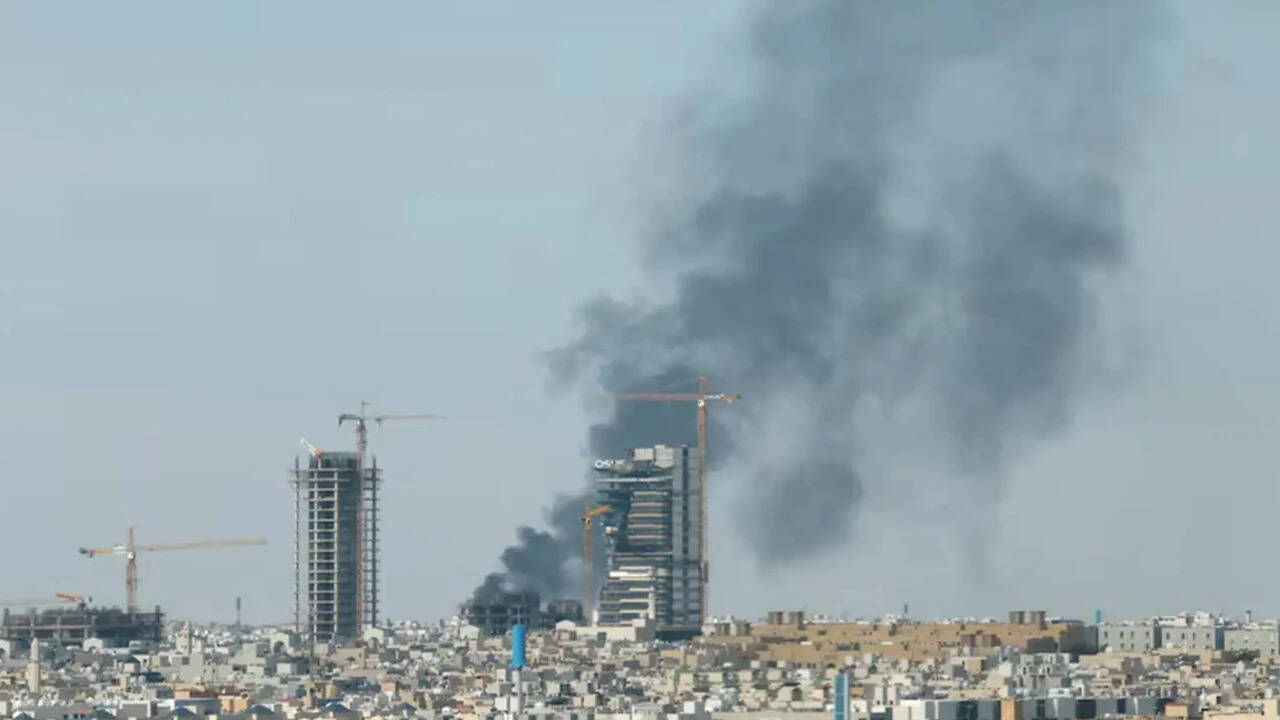
The skies over the Saudi capital haven't felt this volatile in years. When Yemen's Houthi movement claimed responsibility for fresh ballistic missile and drone strikes targeting King Khalid International Airport in Riyadh, it wasn't just another routine cross-border skirmish. It marked a terrifying escalation in a conflict that many hoped was permanently cooling down.
If you've been watching regional security headlines, you know the stakes shifted drastically following a series of deadly impacts. The reality on the ground is stark: civilian infrastructure in the Gulf is back in the crosshairs, and the ripple effects are hitting global aviation, diplomacy, and oil markets all at once.
The Anatomy of the New Riyadh Airport Attacks
Let's look at what actually happened. Houthi military spokesperson Yahya Saree came forward to claim that the group launched ballistic missiles directly at critical infrastructure in Riyadh, specifically highlighting King Khalid International Airport and the city's financial center.
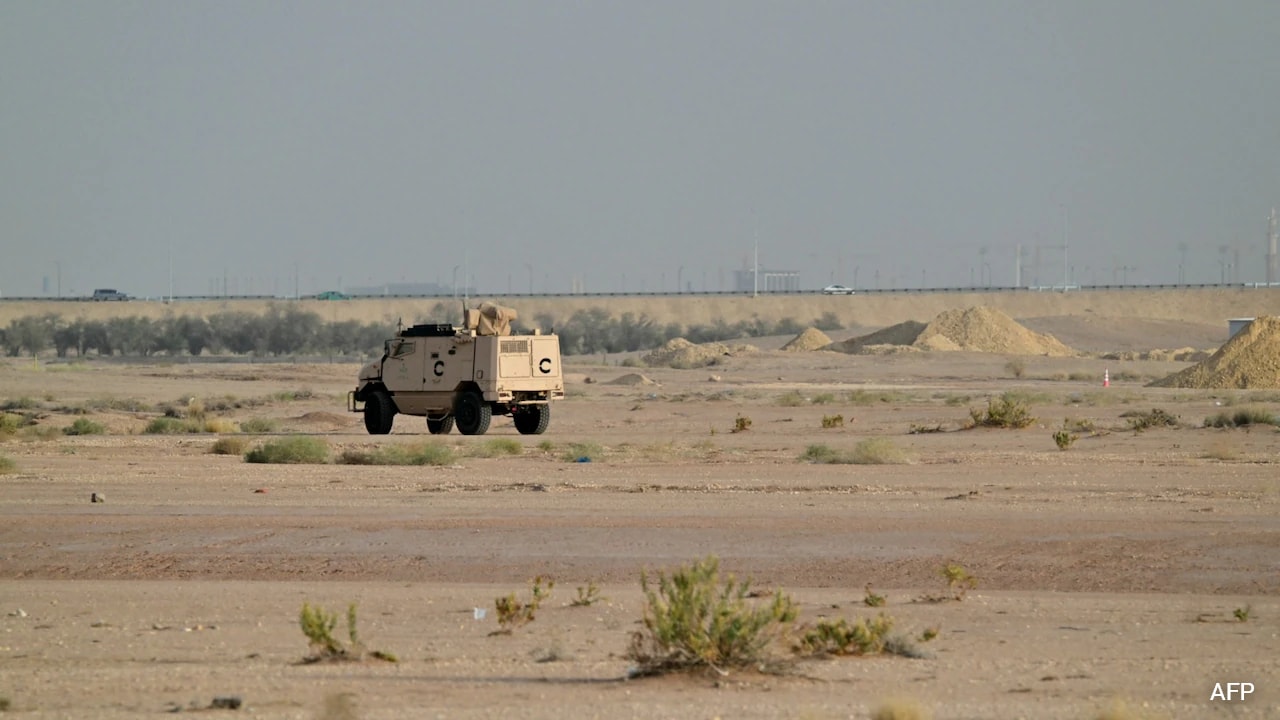
This follows a horrific string of earlier assaults, most notably an offensive that left 12 people dead and over 300 injured. That particular incident shattered a long-standing illusion of safety around the Saudi capital. For years, air defense systems like the Patriot batteries managed to intercept the vast majority of incoming threats. But the sheer volume and changing vector profiles of these newer drone and missile combinations are testing those shields to their absolute limits.
When commercial hubs turn into frontlines, the psychological impact outweighs even the physical damage. Airlines are scrambling, travel advisories are shifting by the hour, and passengers transiting through the Middle East are left wondering if regional hubs are safe zones anymore.
Why the Houthi Strategy Has Shifted
You might wonder why the group is ramping up long-range strikes right now. The answer lies in regional leverage and shifting alliances. Ever since broader Middle Eastern flare-ups drew international focus, the Houthis have consistently used high-profile strikes against Saudi territory to project power far beyond Yemen's borders.
By targeting Riyadh airport—a massive international transit artery—they aren't just hitting concrete and tarmac. They're hitting the Saudi economy's crown jewels: tourism, foreign investment, and national prestige. Every time an explosion echoes near a capital airport, insurance rates spike, foreign executives reconsider travel plans, and global markets twitch.
Furthermore, the domestic front in Yemen remains deeply fractured. While the Houthis claim these operations are retaliation for coalition airstrikes in places like Taiz, the reality is that the fragile UN-brokered truces of previous years have basically disintegrated.
The International Fallout and What Comes Next
Washington and other Western capitals are watching this very closely. Following the mass-casualty strikes at King Khalid International Airport, international condemnation was swift, with leaders signaling that the tolerance for these long-range attacks has evaporated. Discussions in diplomatic circles now include the very real possibility of renewed Western military cooperation with the Saudi-led coalition to degrade Houthi launch capabilities.
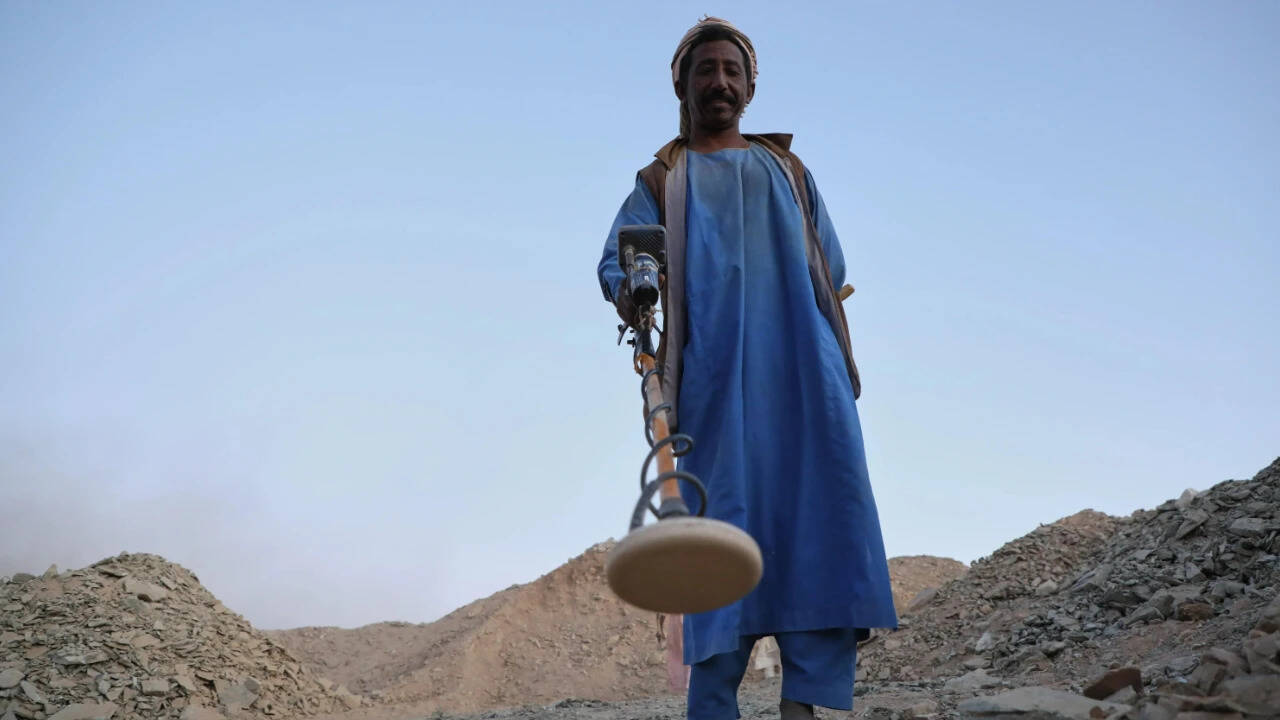
Yet, military intervention rarely solves the root cause. Bombing campaigns haven't stopped the DIY assembly of smuggled drone parts or the deployment of mobile ballistic missile launchers hidden in rugged Yemeni terrain.
If you're tracking security developments in the region, expect tighter security protocols at all Gulf airports, delayed flights, and a heavily militarized airspace for the foreseeable future. The illusion that regional conflicts can be neatly contained within local borders is completely gone. Riyadh airport is once again a reminder that modern asymmetrical warfare can reach capital cities thousands of miles away from the primary trenches.