The air in Jerusalem smells faintly of pine needles and old stone, but underneath the ancient dust, there is a metallic tang. It is the smell of wait.
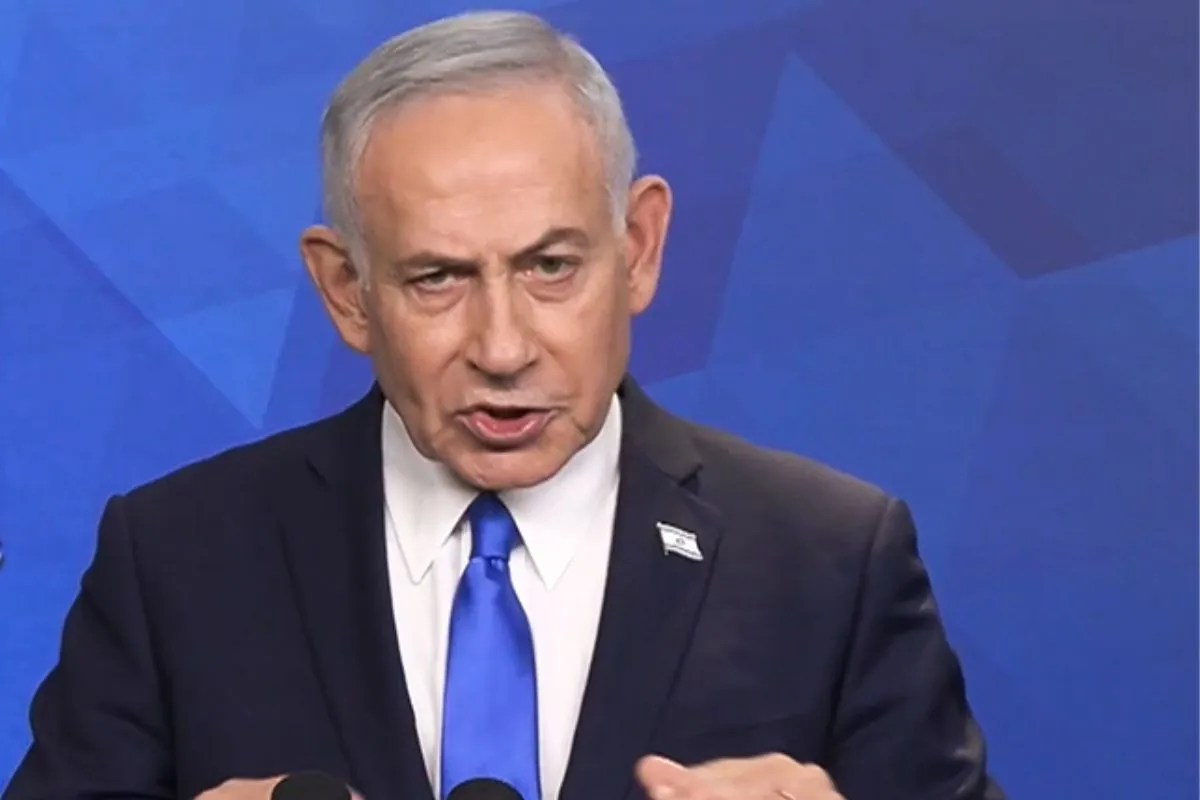
For months, the residents of the city have lived on the edge of a razor. They look at the blue Mediterranean sky and wonder if the next streak of white light will be a falling star or a ballistic interceptor. Benjamin Netanyahu stands at a mahogany podium, his tie perfectly knotted, his jaw set in that familiar, unyielding granite line. The words he speaks are not diplomatic whispers. They are iron nails driven into a coffin. A deal with Iran is impossible. The window has shut. The countdown has begun.
We have heard this rhetoric before. We have grown numb to the cadence of crisis. But walk down the sun-baked alleys of Machane Yehuda market, past the stalls of fresh figs and saffron, and you will see the truth behind the broadcasts. The grocer wraps pita bread with hands that tremble slightly when a siren in the distance proves to be a false alarm. The shopkeeper keeps a transistor radio glued to his ear, tracking every syllable coming out of the Knesset.
Fear is not a loud explosion. It is a slow, rhythmic hum that vibrates in the floorboards of everyday life.
To understand why diplomacy has flatlined, we have to look past the sanitized press conferences and examine the geometry of absolute distrust. Imagine two chess players sitting across a board where the pieces are made of enriched uranium and the clock is ticking backward. For years, international intermediaries tried to build bridges over an abyss of mutual annihilation. They offered sanctions relief; they drafted complex treaties with enough clauses to fill a theological library.
Both sides looked at the paper and saw a trap.
Tehran views its nuclear program not as a bargaining chip, but as its final insurance policy. The leadership in Iran remembers the overthrow of Mossadegh, the grinding devastation of the Iran-Iraq war, and the constant hum of foreign threat. To surrender the centrifuge is, in their eyes, to bare their throat to the wolf.
Jerusalem views that same centrifuge through the lens of generational survival. When a government openly promises your erasure, you do not wait to see if they are speaking metaphorically. You believe them.
This is the fatal geometry of the Middle East. When both sides are entirely rational from their own vantage points, peace becomes mathematically impossible.
Consider what happens next. When diplomacy dies, machinery takes over.
Military planners in Tel Aviv do not sleep. In underground bunkers bathed in the sterile glare of blue monitors, intelligence officers pore over satellite imagery of Natanz and Fordow. They measure the depth of subterranean halls carved into granite mountains. They calculate the payload required to crack reinforced concrete. They know that a strike on Iran’s nuclear infrastructure is not a surgical operation; it is the opening chord of a regional symphony of fire.
Yet, a preemptive military strike carries a devastating ledger.
If the Israeli Air Force crosses the Syrian and Iraqi skies to hit Iranian targets, the response will not be silent. Thousands of rockets from Hezbollah’s arsenals in southern Lebanon will rain down on Haifa and Tel Aviv. Drones will buzz across the desert. Oil prices will spike, plunging global markets into immediate shock. The cost of preventing a nuclear threat today might very well be a conventional conflagration that consumes millions of lives tomorrow.
Netanyahu knows this. The Israeli security establishment knows this. The fact that they are willing to speak of an impending strike anyway tells us everything we need to know about their threshold of tolerance. They have calculated that a regional war today is preferable to living under the shadow of a nuclear-armed adversary tomorrow.
We sit thousands of miles away, scrolling through headlines on glowing glass screens, reducing these calculus points to mere entertainment or background noise. We sip our morning coffee and debate geopolitics as if it were a fantasy football league.
We forget the child sleeping in a reinforced safe room in a kibbutz near the northern border. We forget the mother in Isfahan watching the sky, wondering if the factory down the road is marked on a foreign pilot's targeting map.
The statesmen in suits make the declarations, but the ledger is paid in flesh and bone.
As the rhetoric sharpens and military exercises intensify across the region, the diplomatic runway vanishes beneath our feet. There is no middle ground left to negotiate. There are no clever compromises waiting in a Geneva drawer. There is only the cold, unyielding momentum of inevitability.
The clock on the wall ticks louder now. The hands approach midnight. And in the silence between the heartbeats, the world holds its breath, waiting for the first shoe to drop.


