The maritime "experts" are at it again, hand-wringing over the legalities of the United Nations Convention on the Law of the Sea (UNCLOS) while the Islamic Revolutionary Guard Corps (IRGC) rewrites the rules of global trade in real-time. The latest reports of an Iranian "vetting system" and "safe corridor" for the Strait of Hormuz aren’t just a temporary workaround for a regional conflict. This is a cold-blooded pivot from kinetic disruption to a permanent, algorithmic extortion model.
While the "lazy consensus" views this as a desperate move by a besieged regime, they’re missing the nuance. This isn’t a sign of weakness; it’s the birth of a sovereign, gated waterway. Iran isn't just closing the door; they're installing a keycard reader and charging $2 million per swipe.
The Death of Transit Passage
For decades, the Strait of Hormuz operated under the principle of transit passage—the right of all vessels to move through international straits unhindered. Iran never ratified UNCLOS, but they played along because the friction of a total blockade was too high.
That era is over. By introducing a "vetting and registration system," the IRGC is effectively ending the concept of an international strait and replacing it with a private driveway.
The mechanics are deceptively simple:
- Full Disclosure: Ships must provide extensive data on ownership, cargo, and destination.
- Selective Access: Only "friendly" nations (China, India, Pakistan, Malaysia) get the green light.
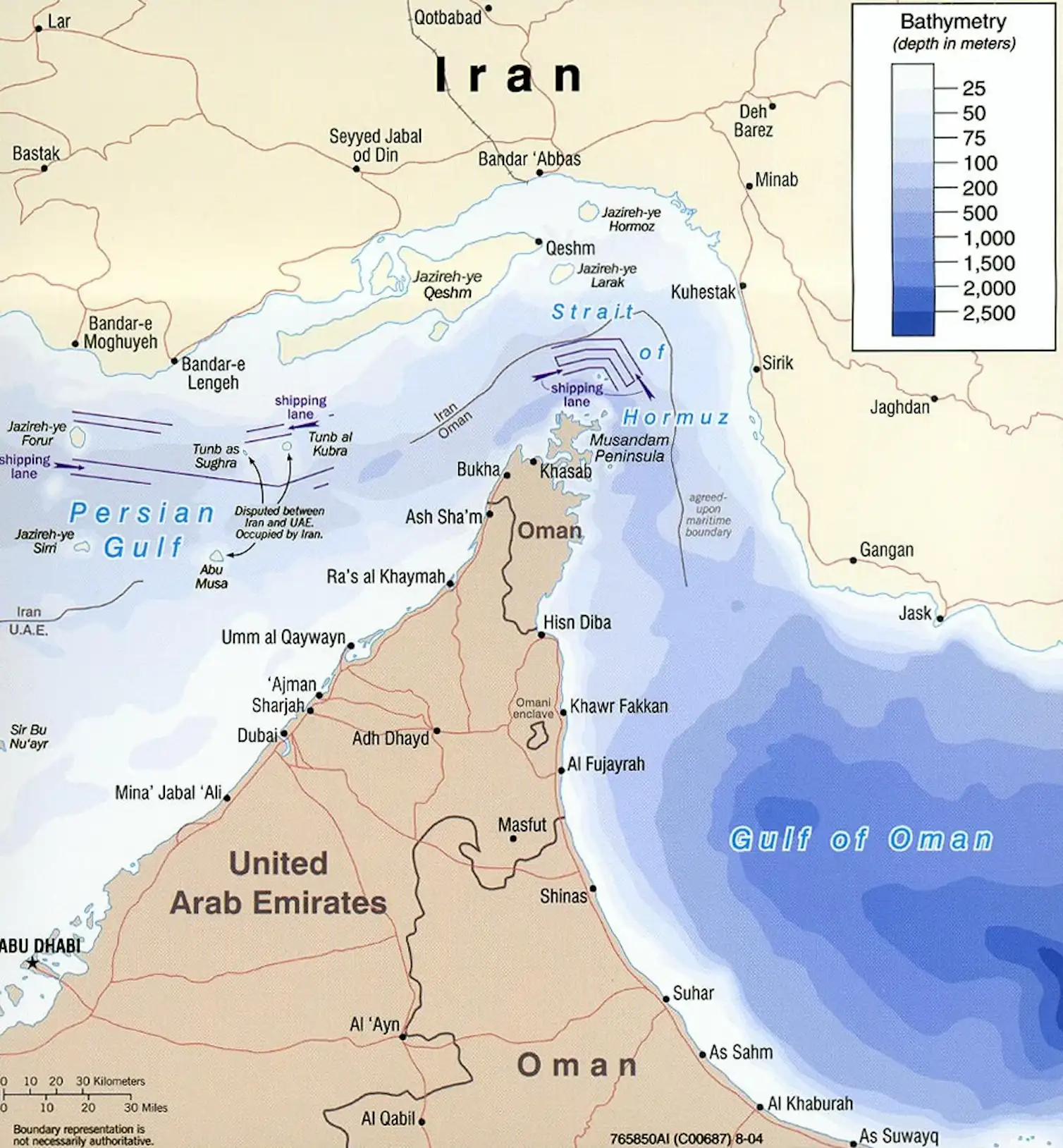
- The Protection Racket: Vetted ships are routed through Iranian territorial waters—specifically the Larak-Qeshm Channel—under the watchful eye of the IRGC Navy.
This is a selective blockade. It allows Iran to maintain the flow of energy to its allies while strangling the economies of its enemies. It’s not a "closure"; it’s a filter.
The $2 Million Handshake
The report that at least one tanker paid $2 million for safe passage should be a wake-up call to every logistics officer on the planet. This isn't just a bribe; it's a Security Tax.
Think about the economics. With global oil traffic through the Strait down 95% and insurance premiums skyrocketing by 400% to 600%, a $2 million "toll" starts to look like a bargain compared to the risk of a drone strike or a total loss of hull and cargo.
By formalizing this, Iran is achieving what sanctions never could: a direct, unblockable revenue stream from the very global trade it was supposed to be excluded from. They have successfully monetized the threat of their own violence.
Why the US Response is Flawed
The current strategy of naval escorts and "freedom of navigation" operations is a 20th-century solution to a 21st-century problem. You cannot escort your way out of a vetting system. If the IRGC decides your ship isn't on the list, a destroyer nearby doesn't change the fact that you're now a target in a "non-vetted" zone.
The proposal by the Trump administration to require US-backed insurance for escorted ships is equally backward. It’s an attempt to fight a geographic monopoly with a financial bureaucracy. While the US discusses "hull and machinery" coverage, Iran is building a database of every barrel of oil moving through the Gulf.
The Algorithmic Blockade
The real "game" here—to use a term I usually loathe—is the data. By requiring "extensive disclosure" prior to transit, the IRGC is gaining a granular map of global energy movements that even the best AIS (Automatic Identification System) tracking can't provide.
When a ship "goes dark" (turns off its AIS) to avoid detection, it usually does so to hide from sanctions. Iran is flipping this. To get through the "safe corridor," you have to stay bright, stay visible, and tell Tehran exactly who you are and where you're going.
This isn't just about security; it's about market intelligence. Iran now knows exactly which companies are desperate enough to pay, which nations are willing to break ranks with the West, and exactly where every drop of "friendly" oil is headed.
The Insurance Trap
The "experts" argue that the vetting system won't work because insurers won't touch it. They’re wrong.
Insurance is a calculation of risk. If the IRGC can prove—through the successful transit of the nine ships already reported—that "vetted" ships have a 0% casualty rate while "unvetted" ships have a 100% risk of attack, the market will follow the data.
We are headed toward a bifurcated insurance market:
- The Western Tier: High premiums, naval escorts, and constant risk of "incidents."
- The Iranian Tier: Lower premiums (once the "toll" is paid), IRGC "protection," and guaranteed passage.
For an oil major in China or India, the choice is a no-brainer. They will choose the Iranian Tier every single time.
The Sovereignty Pivot
Don’t mistake this for a wartime exigency. Senior adviser Mohammad Mokhber and members of the Iranian parliament have already signaled that this "new regime" for the Strait is intended to be permanent. They are moving from a state under sanctions to a state that sets the conditions for the region's most vital artery.
They are banking on the fact that the world needs the 20 million barrels of oil and 20% of global LNG that normally flows through that 21-mile-wide gap more than it needs the abstract concept of "freedom of navigation."
If you are waiting for the Strait to "reopen" and return to the status quo, you are waiting for a world that no longer exists. The IRGC has realized that they don't need to sink every ship to win. They just need to own the gate.
The Strait of Hormuz is no longer a commons. It’s a toll road. And the toll is only going up.
Stop asking when the blockade will end. Start asking how much you're willing to pay to be "vetted."