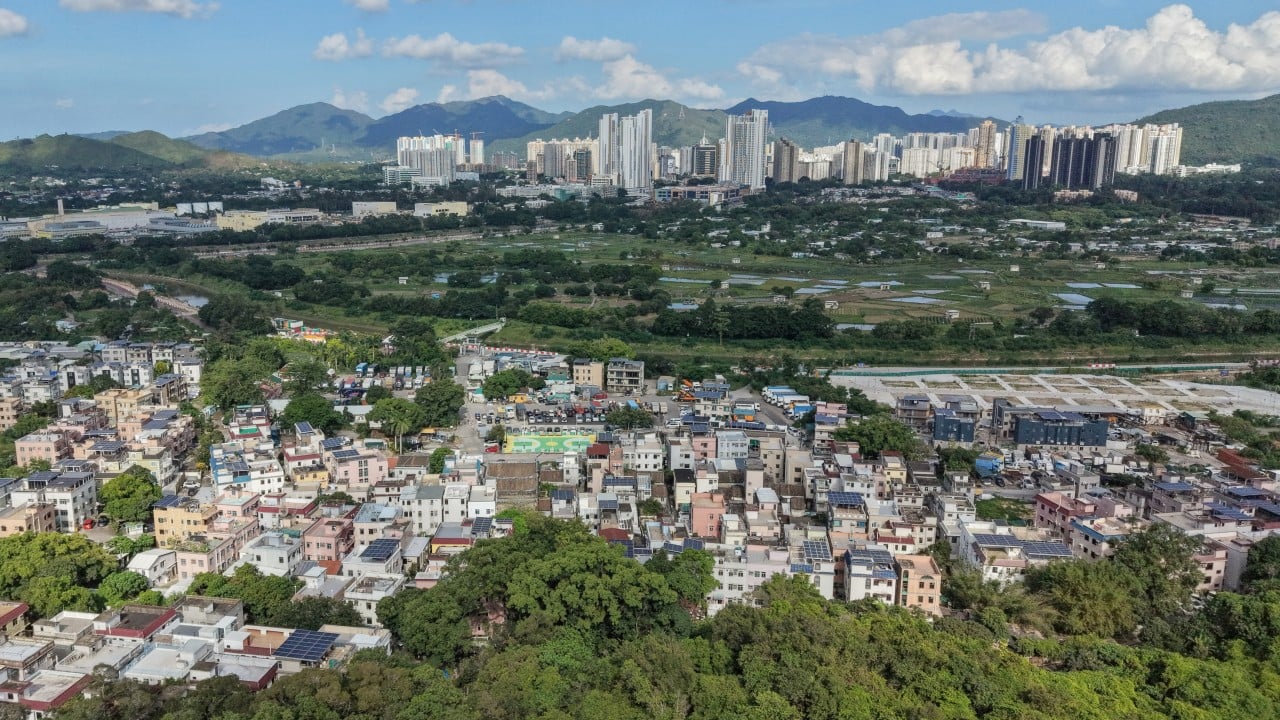
Hong Kong’s Home Affairs Department thinks it just saved the rural hospitality sector. By slashing the red tape for guest house and campsite licenses under the Hotel and Guesthouse Accommodation Ordinance, regulators are back-patting themselves for sparking a rural renaissance. They believe lowering the barrier to entry will stimulate local economies, offer affordable staycations, and ease the pressure on an overburdened urban tourism sector.
They are dead wrong.
What bureaucrats label as "regulatory easing" is actually a capitulation that will decimate the very charm tourists flock to the New Territories and outlying islands to find. Lowering licensing criteria does not create high-quality eco-tourism. It democratizes mediocrity. It paves the way for unregulated overcrowding, structural hazards, and environmental degradation, all while cannibalizing the businesses of legitimate operators who spent millions to play by the rules.
The Illusion of Easing: Why Cheap Licenses Equal Cheap Safety
The lazy consensus dominating local travel media is that fewer rules mean more options for travelers. Let’s dismantle that premise entirely. The core tension in hospitality has always been between safety and accessibility. When you lower the compliance bar for structural integrity, fire safety, and sanitation in rural areas, you aren't "democratizing travel." You are transferring risk to the consumer.
Consider the reality of rural infrastructure in Lantau or the northern New Territories. Unlike central Kowloon, these areas frequently suffer from poor drainage, narrow access roads inaccessible to standard fire engines, and fragile power grids.
- Fire Hazards: Standard urban hotels require heavy-duty fire doors, advanced sprinkler systems, and multiple clear egress routes. Easing these parameters for a remote campsite or a converted village house means betting that a disaster won't happen.
- Sanitation Failures: Overloading rural septic systems with a sudden influx of licensed, high-turnover guests leads to ecological runoff.
I have watched developers in regional markets throw up shoddy glamping sites under loosened local bylaws, only to abandon them three years later when the soil becomes toxic and the local water table is compromised.
Cannibalizing the Operators Who Cared
This policy shift punishes the wrong people. For the past decade, a handful of dedicated entrepreneurs spent years navigating the grueling, bureaucratic maze of the original Ordinance. They invested millions of Hong Kong dollars to reinforce foundations, install industrial-grade fire suppression systems, and comply with strict environmental impact assessments. They did it because they cared about longevity.
By retroactively moving the goalposts, the government has effectively tanked the valuation of these compliant properties. Why would an investor spend HKD 5 million to build a fully compliant, premium eco-lodge when a competitor can now pitch ten tents on a patch of agricultural land with a fraction of the oversight?
The market will naturally flood with low-cost, low-effort operators. This creates a race to the bottom. Prices drop, quality plummets, and the sophisticated travelers who actually spend money on high-end eco-tourism flee to Japan, Thailand, or Taiwan instead. Hong Kong gets stuck with the leftovers: high-volume, low-margin day-trippers who leave behind nothing but trash and strained public transport.
Dismantling the "People Also Ask" Flawed Premises
When people look into Hong Kong's rural accommodation options, they generally ask variants of the same few questions. The answers they get online are typically sugar-coated nonsense.
Does this policy mean cheaper, better staycations for families?
No. It means cheaper options, not better ones. You might pay 30% less for a weekend getaway, but you are trading away professional security, reliable hygiene, and structural peace of mind. A cheaper tent on a concrete slab next to an overloaded sewage pit is not a win for consumers.
Will this revitalize the economy of remote villages?
Temporarily, perhaps, but at an unsustainable cost. The influx of unstructured tourism disrupts indigenous villages, creates immense traffic bottlenecks on single-lane roads, and drives up the cost of basic goods for locals. The economic yield of a campsite visitor is notoriously low compared to a traditional hotel guest. They bring their own food, barbecue tools, and supplies bought in urban supermarkets. They do not enrich the village; they exploit its peace.
The Operational Reality: A Calculated Playbook for Failure
If you are an operator thinking about taking advantage of these new, relaxed rules, you need to understand the structural traps ahead.
| Operational Focus | The Regulatory Illusion | The Ground Reality |
|---|---|---|
| Initial Capital | Low barrier to entry, minimal compliance costs. | High maintenance and remediation costs due to poor infrastructure. |
| Guest Retention | High demand from urbanites seeking a quick escape. | Zero brand loyalty. Guests leave negative reviews the moment a rural utility fails. |
| Risk Profile | Government-approved, legal operation. | Massive civil liability if an accident occurs on sub-standard premises. |
Stepping into this newly opened space means operating on razor-thin margins while managing massive logistical headaches. When a typhoon hits, an urban hotel closes its windows. A rural campsite under relaxed structural guidelines faces total asset destruction and potential lawsuits.
Stop Promoting Accessibility, Start Enforcing Premium Scarcity
The fundamental flaw in Hong Kong’s tourism strategy is the obsession with volume over value. The city does not need more tourists; it needs better tourist experiences.
Instead of lowering the bar so anyone with a patch of dirt can call themselves a hospitality mogul, the government should have done the exact opposite. They should have kept the strict safety criteria but provided direct financial subsidies and fast-tracked planning permissions exclusively for operators building world-class, low-impact eco-resorts.
True sustainability requires premium scarcity. Look at the successful eco-tourism models in Bhutan or the African safari circuits. They do not ease licensing so thousands can crowd the landscape. They restrict supply, enforce draconian environmental standards, and charge a premium. This protects the environment while generating massive tax revenues and high-paying jobs for local communities.
Hong Kong’s policy does the opposite. It invites the crowd, destroys the asset, and guarantees that five years from now, the rural landscape will be littered with abandoned, rusted glamping pods and contaminated farmland.
If you want to build a real hospitality business in Hong Kong, ignore the siren song of these relaxed regulations. Do not build down to the new minimum standard. Build up to the highest international benchmark, charge three times what your competitors are charging, and target the demographic that values safety and exclusivity over a cheap weekend coupon. Let the amateurs fight over the scraps of a degraded countryside.