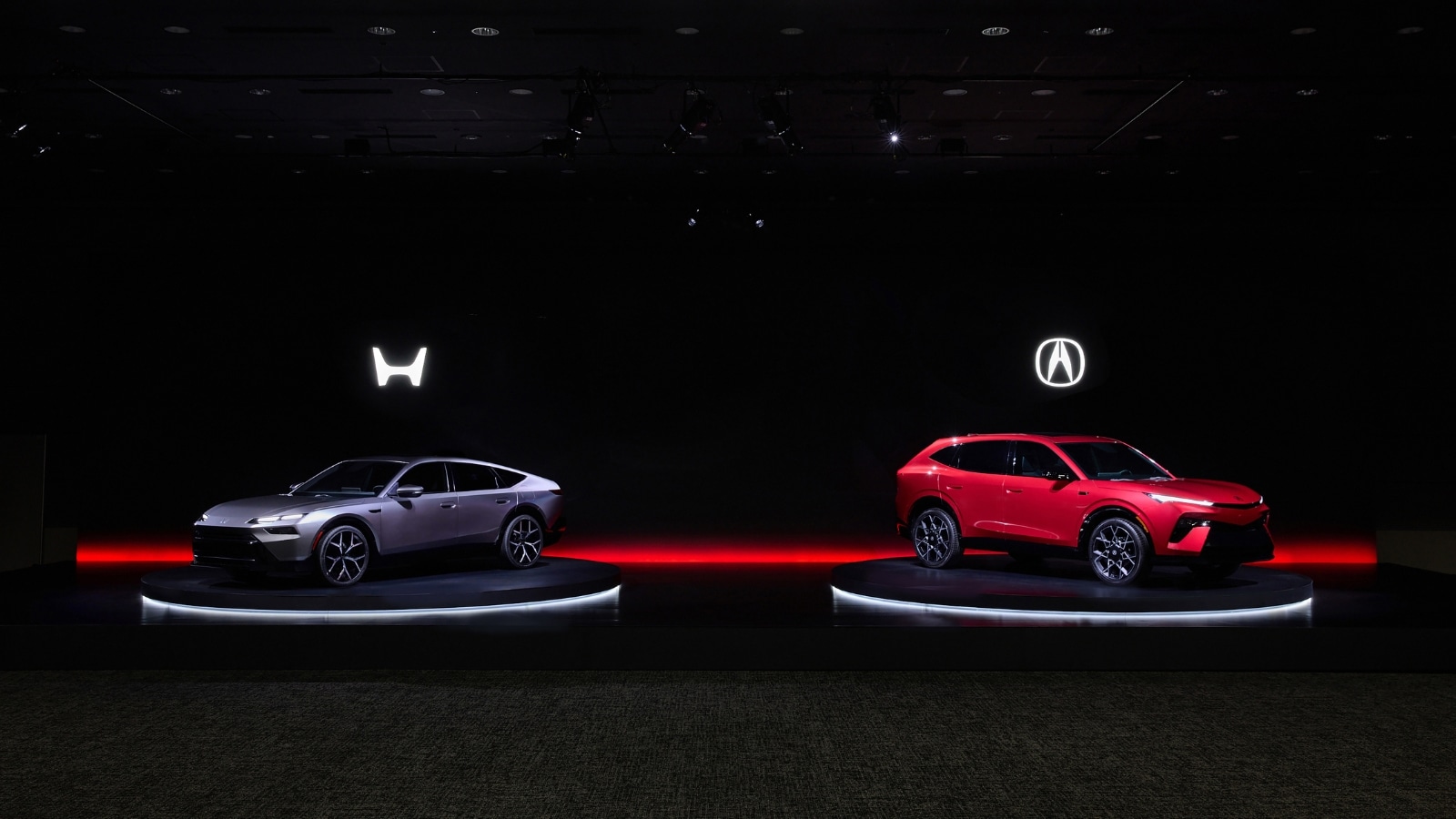
Honda just sent a loud message to the global automotive market and they've placed India right at the center of it. While other manufacturers are still debating whether to go all-in on battery electric vehicles (EVs) or stick to internal combustion, Honda is doubling down on a middle ground that actually makes sense for the current infrastructure. They’ve pulled the wraps off two new hybrid prototypes, and the implications for the Indian road are massive.
India isn't just a side market for these models. It's the primary engine for this push.
The hybrid gamble is finally paying off
For years, critics argued that hybrids were just a stopgap. They said we should leapfrog straight to EVs. But look around. Charging infrastructure in most Indian cities is still a mess. High-speed chargers are rare outside of major metros. This is where Honda's e:HEV tech steps in. It solves the range anxiety that keeps most people from buying an electric car while delivering fuel efficiency that makes a standard petrol engine look ancient.
The two new prototypes unveiled globally show a clear design language shift. They aren't just modified versions of existing cars. These are built from the ground up to maximize the efficiency of a dual-motor setup. Honda is betting that Indian buyers care more about 25-28 kilometers per liter than they do about finding a charging plug every 300 kilometers.
Honestly, it’s a smart move. Most Indian drivers use their cars for a mix of crawling city traffic and occasional long-distance highway hauls. In the city, these new hybrids run almost exclusively on electric power. On the highway, the engine takes over. It’s practical. It’s efficient. It works today, not in some distant future where every parking spot has a charger.
Why India is the chosen hub
You have to look at the numbers to understand why Honda is pivoting so hard toward the subcontinent. The Indian mid-size SUV and sedan segments are exploding. Buyers are getting more sophisticated. They want tech, but they also want reliability. Honda has a brand legacy in India that few can match, even if they’ve been a bit quiet lately.
By making India the core of this hybrid push, Honda is doing a few things at once. First, they're tapping into a massive manufacturing base. Producing these systems locally is the only way to keep costs down. If they import these kits, the taxes will kill the price point. Second, they're using India as a testing ground for high-heat, high-dust environments. If a hybrid system can survive a Delhi summer and Mumbai monsoon, it can survive anywhere.
The prototypes suggest a focus on a "global mid-size" platform. Think of something that sits comfortably between the current City and the Elevate, but with a much more aggressive, aerodynamic profile. They’re leaner. They look faster. Most importantly, they’re designed to house batteries without sacrificing the legroom that Indian families demand.
Breaking down the new prototype tech
The tech inside these prototypes isn't just a rehash of what we see in the current City e:HEV. We're looking at a more compact power control unit and a higher density battery pack. This matters because weight is the enemy of efficiency. By shedding kilos in the hybrid powertrain, Honda can add more features or improve the drive feel without hitting the fuel economy.
I've seen many brands try to "de-content" cars for the Indian market. They take out the soft-touch plastics or the advanced safety kits to save a few bucks. Honda seems to be moving away from that. These prototypes feature advanced sensing suites and a refreshed cabin layout that feels more premium. They're aiming for the buyer who is considering a luxury entry-level car but wants the sensible running costs of a Honda.
The price of being first
The biggest hurdle for Honda isn't the technology. It’s the sticker price. Hybrids are expensive to build. You’re essentially putting two drivetrains into one car. To make this work in India, Honda has to localize almost every component of the e:HEV system.
We’ve seen Maruti and Toyota team up to dominate the strong-hybrid space recently. Honda was technically there first with the City, but they didn't have the volume. This new strategy is about volume. By unveiling two prototypes at once, they're signaling a multi-segment attack. They want to be the default choice for anyone who isn't ready to go full EV but hates the rising cost of petrol.
Shifting the perception of performance
There’s a weird myth that hybrids are boring to drive. It’s time to get over that. The instant torque from the electric motor in these new prototypes makes them punchy in stop-and-go traffic. You get that immediate shove that you usually only find in an EV, but without the "will I make it home?" fear.
Honda's engineers have focused heavily on the transition between electric and engine power. In older hybrids, you could feel a jerk or hear a loud drone when the engine kicked in. The new prototypes use a much smoother management system. It's almost imperceptible.
What this means for the competition
Hyundai and Kia have been heavy on features but haven't really cracked the hybrid code in India yet. They've leaned more toward turbos and EVs. Honda's shift puts them in direct competition with the Toyota-Maruti alliance. It’s a battle of the philosophies. Toyota is the veteran, but Honda is trying to bring a more "driver-centric" feel to the hybrid world.
If you're planning to buy a car in the next 18 months, you need to watch these developments closely. Buying a pure petrol car now might feel like buying a flip phone in 2008. It'll work, but the resale value is going to crater as hybrid and electric tech becomes the standard.
Reality check on the road ahead
Don't expect these prototypes to be in showrooms tomorrow. We're looking at a phased rollout. However, the fact that India is mentioned as a "core" part of the global reveal tells you everything about where the production lines are being set up. Honda is moving their center of gravity.
The focus now shifts to the supply chain. Honda needs to secure battery cells and semiconductor units at a scale they haven't attempted in India before. They're also likely looking at expanding their dealer service network to handle more complex electrical systems.
If you want to stay ahead of the curve, start looking at your local charging options. If they’re non-existent, a hybrid is your best bet. Keep an eye on the official specs for the "Series-Parallel" drive modes in these new models. That's where the real magic happens for Indian driving conditions. Expect more details on the final production versions to leak by the end of the year. The era of the "sensible" petrol car is ending, and Honda is making sure they're the ones holding the keys to what comes next.
Get your finances in order and keep your current vehicle maintained just long enough to see the final price list on these. The shift is happening faster than most people realize.


:max_bytes(150000):strip_icc():focal(819x186:821x188)/Murdaugh-Family-e90854a716884d608fb6fd925e18d840.jpg)
