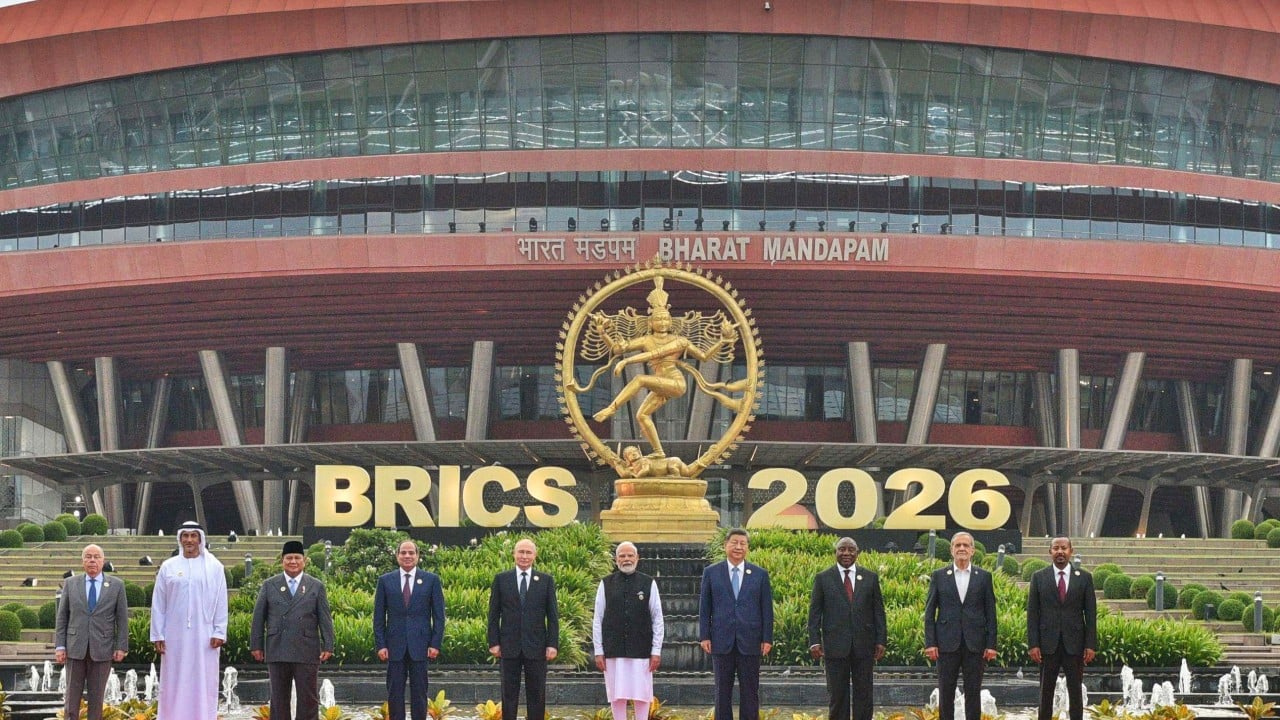
The grand narrative of a post-dollar global economy has always relied on good theater. When heads of state gather beneath the chandeliers of summit halls to decry the weaponization of Western financial infrastructure, international headlines follow with predictable panic. For years, the story has been framed as an impending monetary rupture, a coordinated assault led by the BRICS bloc to dethrone the greenback and redraw the borders of international trade. Yet, beneath the soaring rhetoric of multipolarity and sovereign independence lies a quieter, more stubborn reality. The architecture of global finance is not being overthrown by revolutionary decree; it is slowly, unevenly, and pragmatically being bypassed at the margins, constrained by internal rivalries, structural paralysis, and the immense gravity of the very currency these nations claim to escape.
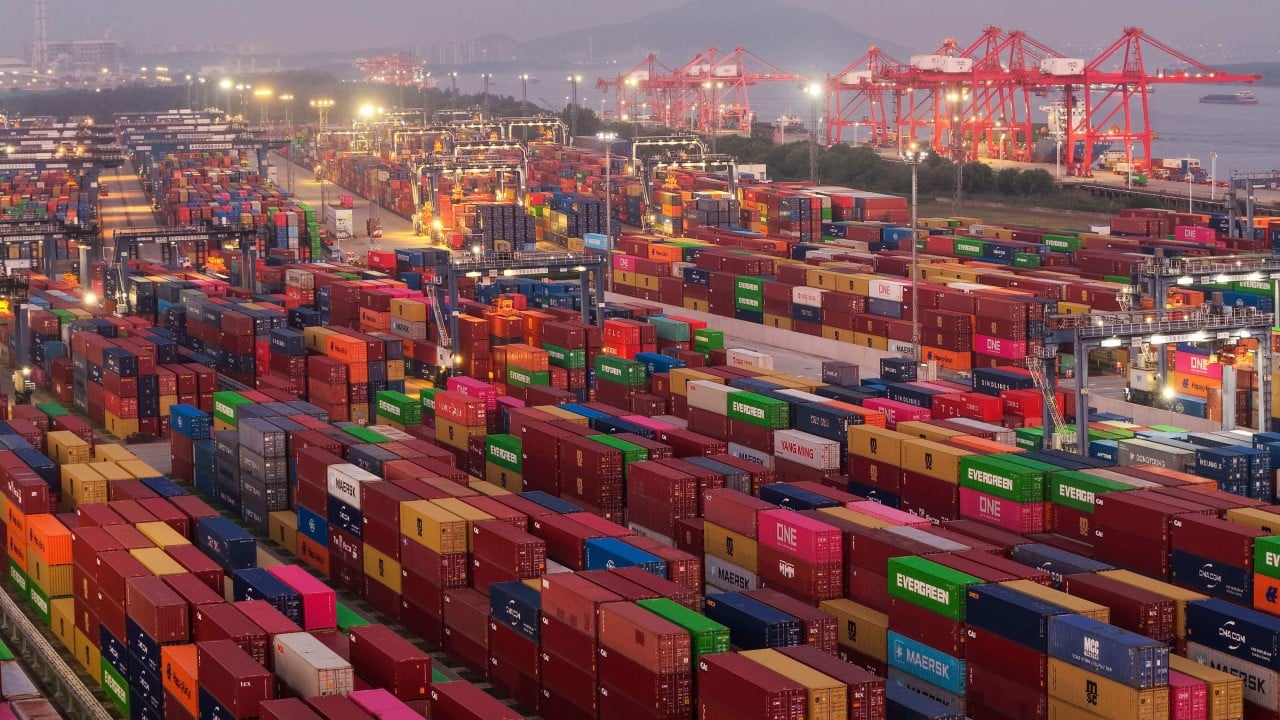
To understand why the movement away from the dollar remains more aspiration than execution, one must look past the communiqués and examine the plumbing of cross-border commerce. Trade settlement in local currencies is frequently conflated with the creation of a new global reserve currency, representing a fundamental analytical error. When New Delhi and Brasília agree to settle bilateral trade in rupees or reals, they are engaging in risk mitigation, not building a unified monetary fortress. These arrangements solve immediate friction points, particularly for sanctioned economies or nations seeking to shield foreign exchange reserves from sudden external shocks. However, they do not replace the deep, highly liquid capital markets required to anchor international trade.
The structural barriers inside the bloc are formidable. A functional alternative to the dollar requires deep convertibility, transparent legal frameworks, and massive pools of risk-free assets where foreign central banks can park trillions of dollars safely. None of these elements exist within the expanded BRICS coalition. China maintains stringent capital controls and a non-convertible currency that its own partners—most notably India—are intensely reluctant to accumulate in massive surpluses. To trade heavily in renminbi is simply to trade one form of asymmetric dependency for another, swapping Washington's regulatory reach for Beijing's monetary gravity.
Meanwhile, external pressures have intensified the internal contradictions of the group. The return of aggressive trade policies and tariff threats from Washington under a resurgent second Trump administration has cast a long shadow over the bloc's ambitions. Rather than accelerating a unified front, these threats have often triggered defensive posturing among member states eager to avoid secondary sanctions or bilateral trade penalties. Leaders who once indulged in speculative talk of a shared gold-backed currency have quietly walked back those timelines, recognizing that the cost of open financial defiance outweighs the diplomatic utility of anti-Western symbolism.
Consider the New Development Bank, established with high-minded ideals to offer an alternative to traditional Western lending institutions. Its capacity to fund large-scale liquidity crunches or absorb massive sovereign debt remains fractional compared to the International Monetary Fund or the World Bank. While the bank has made strides in expanding local-currency lending, its operations are bound by the realities of global credit markets. Private commercial banks, multinational corporations, and sovereign wealth funds continue to price risk in dollars because the depth of US financial markets offers a security that fragmented emerging economies cannot replicate.
The erosion of the dollar's dominance is real, but it is occurring incrementally and through diversification rather than replacement. Central banks are quietly accumulating gold and diversifying foreign reserves, not because they belong to a cohesive anti-Western coalition, but because modern sanctions regimes have demonstrated that any asset dependent on Western clearing houses carries geopolitical risk. This trend is driven by pragmatism, not ideology.
The BRICS coalition remains a vital diplomatic forum for the Global South to voice grievances against an asymmetric international order. It provides a platform for negotiating trade terms and demanding institutional reforms within legacy global bodies. But as an instrument of monetary revolution, it is weighed down by the competing national interests of its members, the lack of macroeconomic convergence, and the indispensable convenience of the system it seeks to challenge. The dollar's supremacy will not vanish in a sudden collapse; it will face a long, grinding test of adaptation against a world that is learning to trade around its edges while remaining tethered to its core.