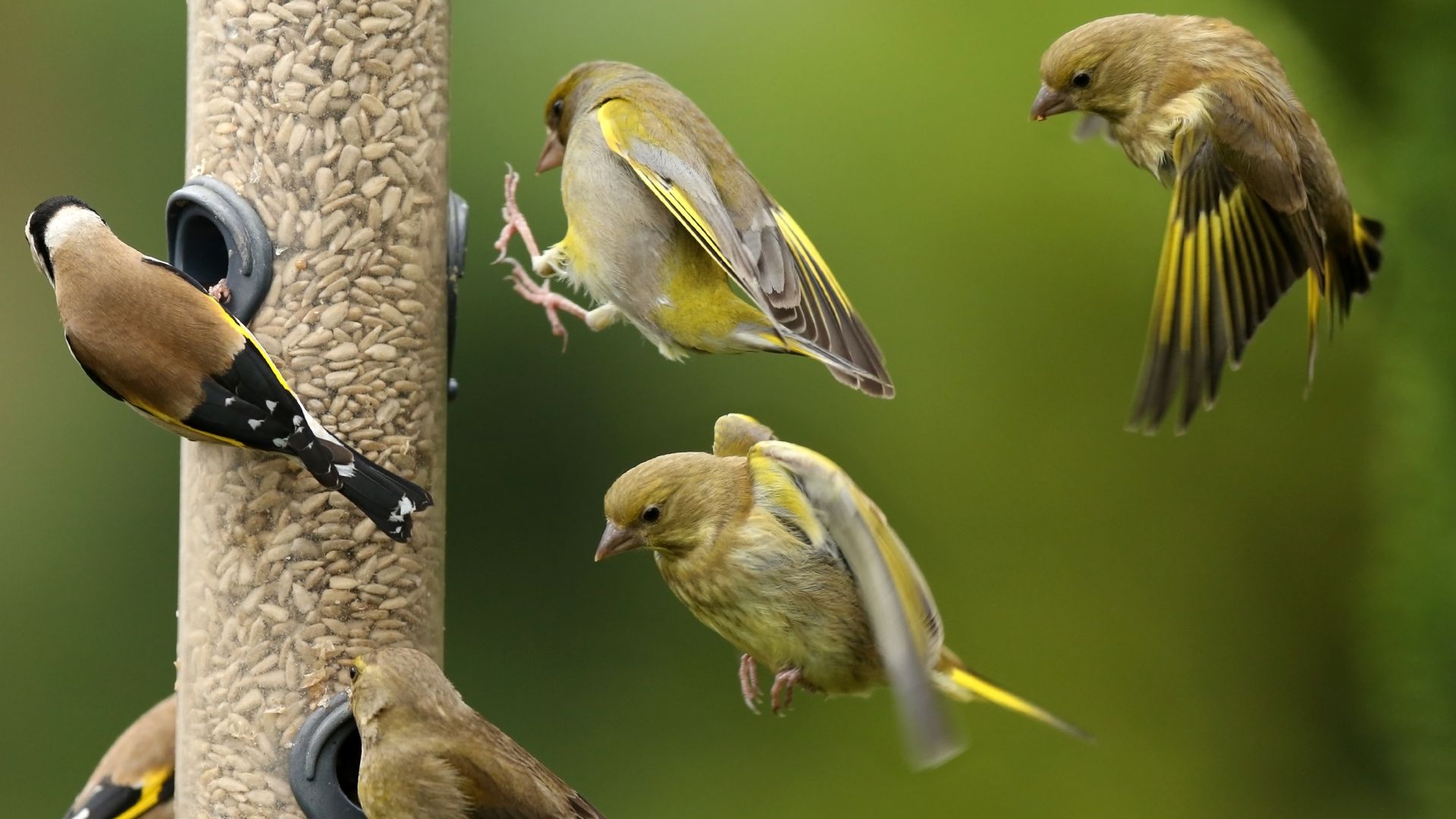
We have been conditioned to believe that a full bird feeder is an act of environmental stewardship. In the depths of a freezing January, that holds true. But as the mercury rises and the natural world enters its peak season of plenty, the act of "helping" our feathered neighbors becomes a liability. Continuing to provide supplemental feed through the summer months creates a dangerous dependency, facilitates the spread of lethal diseases, and disrupts the delicate biological clocks of the very species we intend to protect. The hard truth is that for most backyard birds, your summer feeder is less of a lifeline and more of a threat.
The Disease Trap
Bird feeders are the avian equivalent of a crowded subway car in the middle of a pandemic. During winter, the cold can suppress certain pathogens, and the urgency of survival outweighs the risk of infection. Summer is different. Heat and humidity turn a wooden or plastic feeder into a petri dish.
Trichomonosis, a parasite that causes lesions in the throat and leads to eventual starvation, thrives in the warmth. It spreads through saliva and damp, discarded seeds. When birds congregate in unnaturally high densities at a feeder during June or July, you aren't just feeding them; you are creating a super-spreader event. Finches and greenfinches are particularly vulnerable, and their populations have seen sharp declines directly linked to garden hygiene.
Rain makes it worse. Summer storms soak the seed, which then sits in the sun, allowing mold and bacteria to bloom within hours. A bird eating fermented or moldy sunflower hearts can develop respiratory infections that are almost always fatal. If you aren't cleaning your feeders with a weak bleach solution every single day during a heatwave, you are effectively poisoning the local population.
Nutritional Misalignment
A fledgling bird requires a specific, high-protein diet to develop bone density and plumage. In the wild, parent birds spend their days hunting caterpillars, beetles, and spiders. These insects provide the amino acids and moisture content essential for growth.
When a parent bird finds an easy source of dried mealworms or large seeds at a feeder, they often take the path of least resistance. They fill their young with "junk food." While these store-bought seeds are calorie-dense, they lack the complex nutrients found in wild prey. This leads to a condition often called "angel wing" or other developmental deformities where the bird's wings grow faster than the supporting bone structure, leaving them unable to fly.
By keeping the feeder full, you are nudging the local ecosystem toward a nutritional deficit. The parents stop hunting, the insect population remains unchecked, and the next generation of birds enters the world with a physical disadvantage.
The Predation Magnet
Static feeding stations are a dinner bell for more than just songbirds. In the summer, predators are at their most active, also trying to feed their own young. A busy feeder provides a predictable hunting ground for domestic cats and hawks.
More insidious, however, is the attraction of nest predators. Squirrels, rats, and crows are drawn to the spillover beneath a feeder. Once they are in your yard, they don't stop at the seed. They quickly locate the nests of the birds using the feeder. You are essentially baiting the ground for the very animals that will raid the nests of the goldfinches and robins you enjoy watching.
Disrupting Migration and Natural Foraging
Evolution is a slow process, but human intervention is fast. Birds rely on "photoperiodism"—the changing length of the day—to know when to molt, when to mate, and when to migrate. However, food availability plays a massive secondary role in these cues.
An artificial, unending supply of high-energy food can trick a bird's system into staying put when it should be moving. It can also delay the start of the molting process, leaving birds with old, tattered feathers when the first autumn storms arrive.
Nature provides a sequence of ripening. In early summer, it’s protein-rich insects. By late summer, it’s fat-heavy berries and seeds. This sequence is designed to prepare the birds for the lean months ahead. When we bypass this system with a bag of store-bought mix, we are dulling the sharp edge of their survival instincts. They forget how to forage for the specific wild plants that provide the micro-nutrients they need for long-distance flight.
The Ecological Responsibility
If you want to support birds in the summer, put the seed bag away and look at your landscaping. A "tidy" garden is a desert for birds.
Instead of a plastic tube filled with imported seeds, grow native plants that host native insects. Let a corner of the grass grow long. Leave the leaf litter under the hedges. This creates a sustainable, disease-free food web that doesn't require a human to refill it.
Water is the only thing birds truly struggle to find during a dry July. A clean, shallow birdbath—scrubbed daily to prevent the spread of disease—is infinitely more valuable than a pile of seed.
The most effective way to care for birds during the summer is to step back. Let them be wild. Let them hunt. The most compassionate thing you can do for the birds in your garden this June is to let your feeders run empty and leave them that way until the first frost hits the ground.