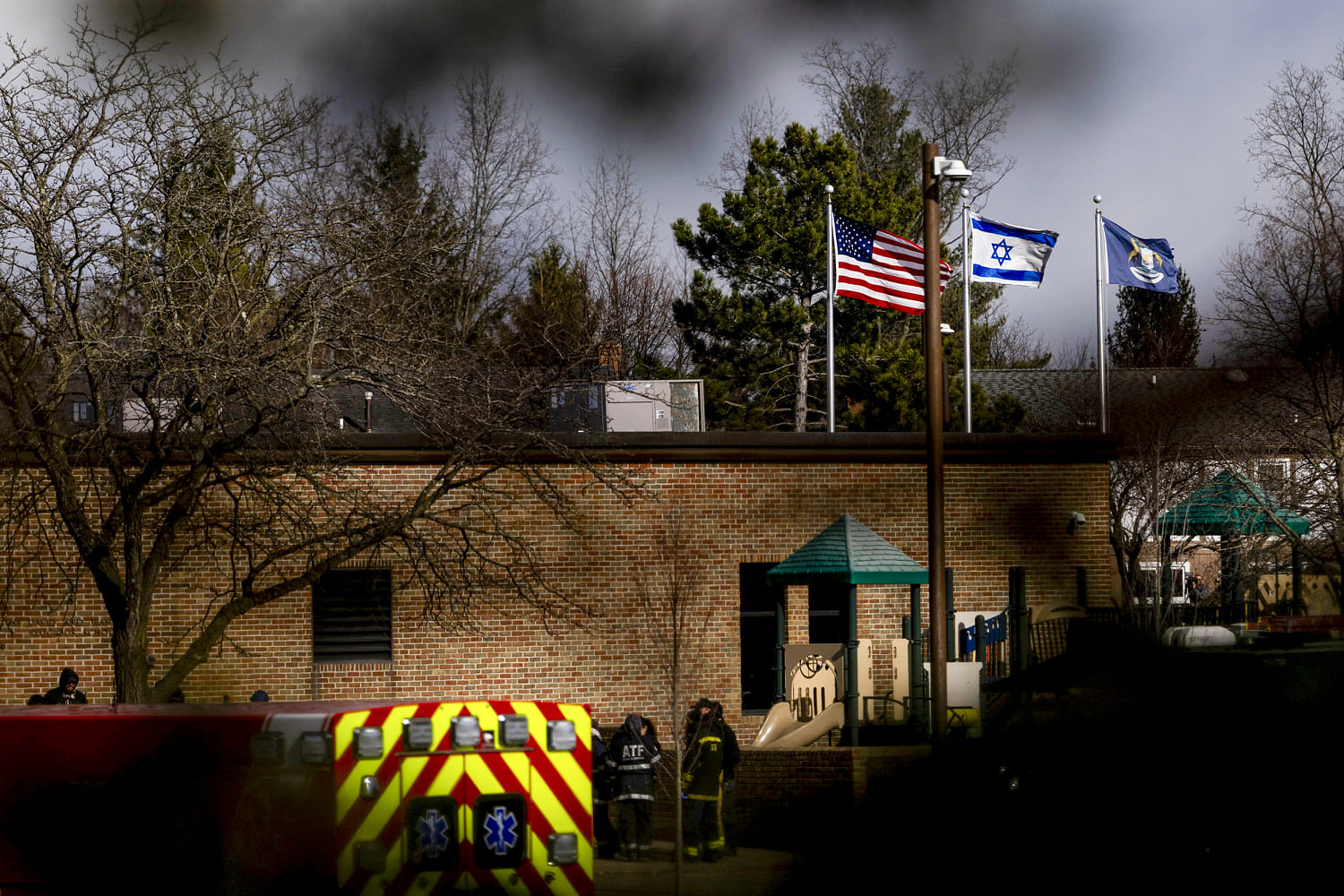
The FBI just dropped a bombshell about a thwarted attack on a Michigan temple, and it’s not the typical lone-wolf story we’re used to hearing. It’s more complicated. We’re talking about direct inspiration from Hezbollah, a group that’s been operating in the shadows of American suburbia for much longer than most people want to admit. If you think international terror groups only care about the Middle East, you haven't been paying attention to the recent filings in federal court.
Federal investigators are sounding the alarm because this wasn't just a random act of hate. It was a calculated move influenced by a sophisticated foreign entity. The suspect, identified in court documents as a local resident, wasn't just scrolling through extremist forums. He was allegedly consuming specific propaganda pushed by Hezbollah. This shifts the conversation from domestic extremism to something far more dangerous. It’s a hybrid threat. It’s the kind of thing that keeps intelligence officers up at night because it's harder to track and even harder to prevent.
The Michigan Connection and the Hezbollah Factor
Michigan has always been a cultural hub, but it’s also been a focus for federal surveillance for decades. Why? Because Hezbollah has historically maintained a logistical presence in the Midwest. They aren't always looking to blow things up on American soil. Usually, they're here for money. They run cigarette smuggling rings, credit card scams, and money laundering operations to fund their activities in Lebanon. But this temple plot marks a scary shift in how that presence can manifest.
When the FBI says an attack was "Hezbollah-inspired," they're signaling that the ideology is now successfully jumping from professional operatives to radicalized individuals in our own neighborhoods. This isn't just about one guy with a bad plan. It’s about the reach of a global network that knows exactly how to trigger vulnerable people via Telegram and encrypted apps. The temple was the target, but the message was meant for everyone.
What the FBI Found in the Investigation
The evidence isn't vague. We’re talking about digital footprints that lead straight to Hezbollah-affiliated media outlets. Federal agents recovered materials that didn't just promote general violence; they provided a roadmap for targeting Jewish institutions. The suspect had been monitoring the temple, tracking schedules, and looking for security gaps.
- Surveillance logs: The suspect reportedly kept detailed notes on when the temple was most crowded.
- Encrypted communications: Usage of apps that the FBI has struggled to crack in real-time.
- Direct propaganda: Files containing speeches from Hezbollah leaders calling for "global resistance" against specific targets.
This wasn't a "spur of the moment" decision. It was a methodical process of radicalization. The FBI intervened before the plan could be executed, but the sheer volume of planning involved suggests that the suspect felt he had the backing—at least ideologically—of a much larger force.
Why Hezbollah is Different From ISIS or Al-Qaeda
Most people lump all these groups together. That’s a mistake. ISIS is like a flash flood—destructive, chaotic, and loud. Hezbollah is more like rising damp. They are patient. They are a state within a state in Lebanon, and they have a seat at the table in their national government. That gives them resources and a level of sophistication that smaller terror cells just don't have.
When Hezbollah inspires an attack in Michigan, it’s often a strategic move to create internal pressure within the U.S. They want to show that they can reach out and touch "soft targets" whenever they feel like it. It’s psychological warfare. By targeting a religious site, they hit at the very fabric of American communal life. It forces the FBI to redirect resources away from other threats, which is exactly what a group like Hezbollah wants.
The Role of Social Media in Modern Radicalization
We have to talk about how this happens. It’s not happening in dark alleys anymore. It’s happening on your phone. The FBI pointed out that the suspect was "fed a diet" of high-production-value videos. These aren't grainy clips from the 90s. These are 4K, edited, high-energy recruitment tools.
They use the same algorithms that sell you shoes to sell hate. If you click on one video about Middle Eastern politics, the algorithm might push you toward more radical content. Before you know it, you're in a private chat group receiving instructions on how to "defend the cause." It’s a pipeline. The FBI is trying to plug the end of the pipe, but the start of it is wide open on every major platform.
Security Realities for Local Communities
If you’re a leader at a house of worship or a community center, this news is a wake-up call. You can't just rely on a locked door and a "everyone is welcome" sign anymore. The reality is that the threat profile has changed. You’re now part of a global geopolitical chessboard.
Law enforcement is doing what they can, but they’re stretched thin. In Michigan alone, the number of open domestic terrorism cases has spiked over the last few years. The FBI can't be everywhere at once. This means communities have to take their own security seriously without turning their places of peace into fortresses. It’s a tough balance to strike, but it’s the world we live in.
Practical Steps for Threat Assessment
Don't wait for a federal warning to check your surroundings. Most of these plots are foiled because a regular person noticed something weird and said something.
- Audit your digital footprint: Is your facility's schedule and floor plan easily available to anyone with a Wi-Fi connection? If so, change that.
- Liaison with local police: Don't just know the number; know the officers. Build a relationship before you need them.
- Invest in physical barriers: Lighting, cameras, and controlled entry points aren't just for businesses. They're essential for any public-facing organization now.
- Community awareness: Train your staff and volunteers to recognize pre-operational surveillance. People taking photos of security cameras or hanging around exits for no reason shouldn't be ignored.
The Big Picture on National Security
This Michigan case isn't an isolated incident. It’s a symptom of a much larger problem. The border between "foreign" and "domestic" terrorism has basically disappeared. When a group in Lebanon can influence a person in Detroit to attack a temple, the old rules of national security are dead.
The FBI is shifting its strategy, but the legal system is still catching up. Prosecuting someone for "inspiration" is a lot harder than prosecuting them for a direct command. That’s the loophole these groups are exploiting. They don't have to tell you what to do; they just have to make you want to do it.
You need to stay informed about who is operating in your area. Look at the local news, but read the federal indictments if you really want to know what's going on. The names and the locations might change, but the playbook stays the same. Stay vigilant and don't assume that "it can't happen here," because the FBI just proved that it almost did.
Protect your community by being the eyes and ears that the authorities rely on. If you see someone behaving oddly or hear talk of radical plans, report it. It's not being a snitch; it's being a neighbor. The FBI managed to stop this one, but they won't catch every single person who falls down a radical rabbit hole. That’s on us.