Searching for survivors in the middle of a churning ocean after a typhoon is a race against physics and biology. When news broke that a cargo ship had capsized, leaving six crew members missing, the immediate reaction was a mix of hope and dread. But the technical reality of maritime search and rescue is far more brutal than most people realize. It’s not just about looking for life jackets in the water anymore. It’s about fighting a giant, upside-down steel maze in unpredictable seas.
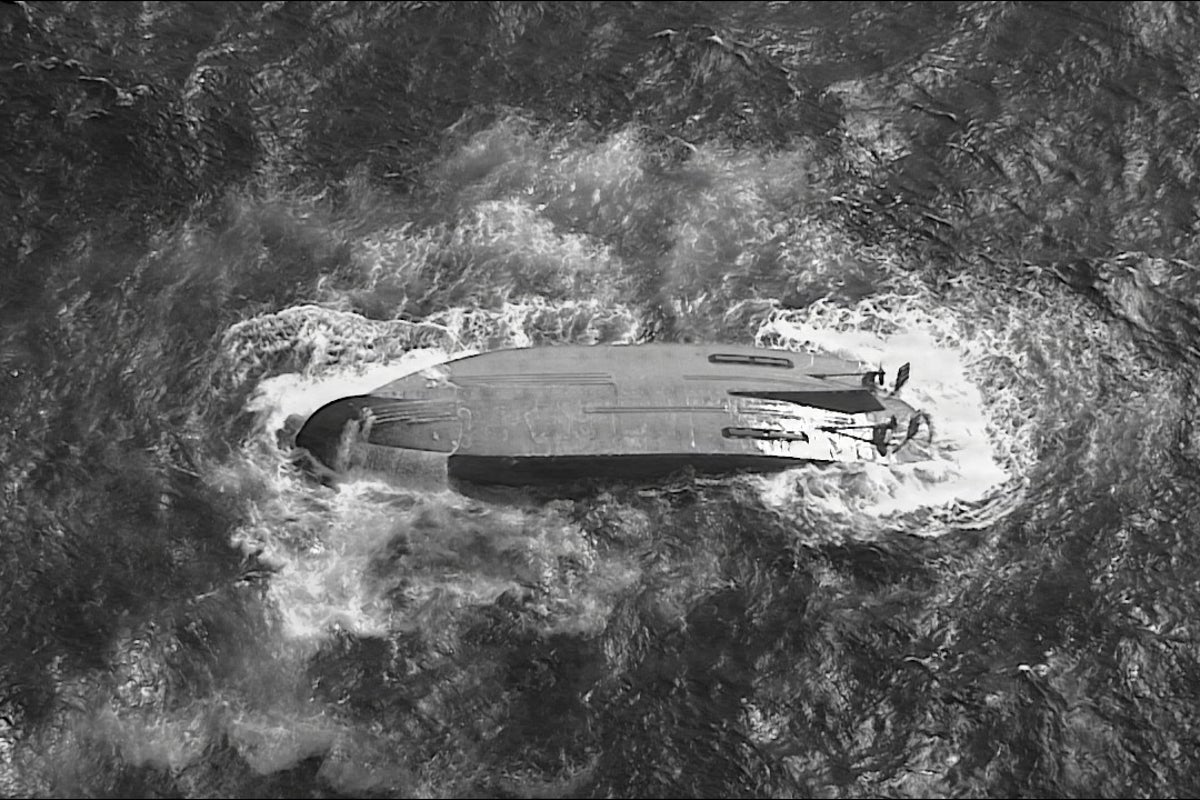
The ship was located floating hull-up after a powerful typhoon tore through the region. This isn't a simple wreck. An overturned vessel creates a unique set of hazards that make every second of the rescue operation a gamble with the lives of the rescuers themselves.
The Physics of a Capsized Cargo Ship
When a ship flips, the world turns into a chaotic trap. Air pockets are the only thing that keep crew members alive if they didn't make it to the lifeboats. These pockets are fragile. They depend on the structural integrity of the hull and the stability of the water pressure.
In many cases, the very act of a rescue team trying to enter the ship can break the seal of an air pocket. If that air escapes, the water level inside rises instantly. It’s a terrifying catch-22 for the coast guard and specialized dive teams. They have to move fast enough to beat hypothermia and oxygen depletion, but slow enough not to accidentally drown anyone they’re trying to save.
Heavy cargo shifts during a capsize. Imagine being in a room where the floor becomes the ceiling and thousand-pound crates are now falling toward you. If the crew was in the engine room or their quarters when the ship rolled, they’re likely navigating a pitch-black labyrinth of twisted metal and floating debris. This isn't like a movie. There are no emergency lights. There’s only the sound of creaking steel and the relentless pounding of waves against the hull.
Why Typhoons Make Rescue Operations Nearly Impossible
Typhoons don't just leave quietly. They leave behind a "sea state" that remains deadly for days. High winds might die down, but the swells stay massive. For the six missing crew members, the window for survival narrows as these swells toss the overturned ship like a toy.
Rescue helicopters and cutters face extreme risks. If the vessel is still drifting, it’s a moving target that can sink at any moment. Most cargo ships are built with heavy steel, but once they're upside down, the weight distribution is all wrong. The superstructure—the part with the bridge and living quarters—is now deep underwater, acting like a giant anchor that can drag the whole thing down.
Logistics are a nightmare. You need specialized salvage tugs and divers trained in "penetration diving." This isn't your standard scuba trip. It requires heavy umbilical lines for air and communication, which can easily get snagged on the jagged edges of a wrecked hull. If a diver’s line snags while they’re deep inside an overturned engine room, you now have two tragedies instead of one.
The Human Element and the Search for Answers
We often talk about these events in terms of coordinates and ship names, but there are six families waiting for a phone call. The psychological toll on the rescue teams is also immense. They’re operating in a space where they might find survivors, or they might find a tomb.
Modern maritime safety has come a long way. We have AIS tracking, EPIRB beacons that activate on contact with water, and survival suits meant to keep humans alive in freezing temperatures for hours. Yet, nature still wins. When a typhoon hits with enough force to flip a cargo ship, it’s usually because of a "rogue wave" or a sudden shift in the vessel’s ballast.
Cargo ships carry immense weight. If the cargo wasn't secured perfectly—or if the sheer force of the storm caused the lashings to snap—the weight shifts to one side. Once that center of gravity moves past the point of no return, the ship "turtles." It happens in seconds. There’s rarely time for a Mayday call.
What Happens in the Next 48 Hours
The search right now is focused on thermal imaging and acoustic sensors. Rescuers are literally "knocking" on the hull, hoping for a rhythmic response from the inside. This is the oldest and most effective way to find someone trapped in a steel box underwater.
If no sound is heard, the operation shifts from "rescue" to "recovery." That’s a word no one wants to hear, but it’s the reality of the sea. The ship will likely be towed to shallower water if possible, or stabilized with giant flotation bags.
If you’re following this story, watch the weather reports in the region. Another system moving in could force the rescue teams to retreat, leaving the ship—and whoever is inside—to the mercy of the currents.
For anyone working in the maritime industry, this is a sober reminder that the ocean doesn't care about your schedule or your technology. Safety protocols are written in blood because of incidents exactly like this one. Make sure your emergency gear is checked. Make sure your crew knows the egress routes by heart, even in the dark. Don't wait for the next storm to realize you aren't ready.