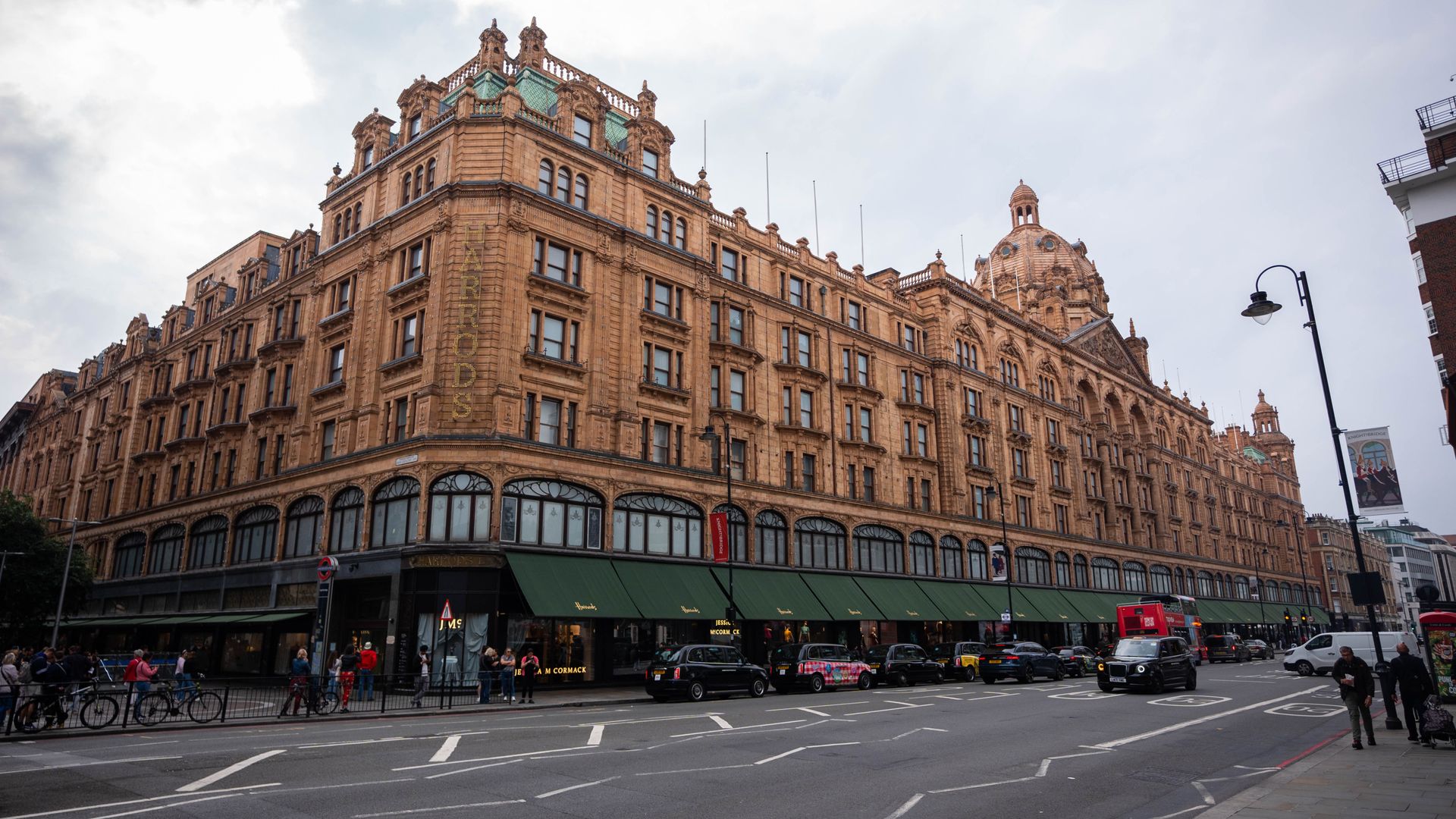
Britain's most famous department store is back in the black. Harrods has officially shaken off the financial hangover of a brutal loss year that forced the iconic Knightsbridge retailer to confront its darkest legacy. If you follow retail trends, you know that corporate turnarounds of this magnitude rarely happen overnight.
Let's look at what actually happened behind the scenes, why that previous fiscal year hit the balance sheet so hard, and what the return to profitability reveals about the modern luxury market. Discover more on a similar topic: this related article.
The Cost of Facing History
To understand how Harrods landed in the red previously, you have to look at the massive financial provisions tied to former owner Mohamed Al Fayed. Following an avalanche of horrific historical abuse allegations brought to light after his death, the department store had to set aside tens of millions of pounds.
The creation of the Harrods Redress Scheme wasn't just a moral imperative; it carried a staggering immediate price tag. Over £60 million was allocated specifically for survivor compensation payouts and associated legal costs. Coupled with a costly digital overhaul of their enterprise resource planning systems, those exceptional items pushed the company into a pre-tax loss of £36.5 million. Further journalism by Forbes delves into related views on the subject.
For a retail institution that routinely prints money, posting a multi-million-pound loss was a massive shock. Yet, managing director Michael Ward and his executive team took the hit openly, choosing to fund the redress process directly rather than dragging victims through years of grueling court battles.
Surviving a Slumping Luxury Market
Financial recovery doesn't happen in a vacuum. High-end retail has faced a brutal couple of years globally. Inflation pinched spending power, international tourism fluctuated, and high-net-worth shoppers tightened their wallets.
Despite these headwinds, Harrods managed to keep core turnover steady at over £1 billion. That resilience comes down to physical experience. While online shopping cannibalizes standard department stores, walking through the doors of the Knightsbridge flagship remains a theatrical event.
The company poured capital back into the store itself. They renovated the historic Georgian restaurant and overhauled expansive womenswear floors. They treated the retail space like a destination rather than a warehouse. That strategy separates surviving luxury flagships from the ones currently sitting in administration or liquidation.
What This Means for Retail Strategy Moving Forward
If you operate in retail, branding, or corporate turnaround management, the Harrods case study offers a clear roadmap.
Transparency wins. When institutional scandals break, trying to sweep liabilities under the rug destroys consumer trust permanently. By establishing a dedicated, independent redress framework, Harrods signaled that accountability matters more than short-term public relations spin.
Operational adjustments also played a massive role in stabilizing the ship:
- Absorbing higher distribution costs without tanking profit margins.
- Continuing to invest in frontline employee salaries instead of cutting staff to artificially inflate short-term earnings.
- Doubling down on high-margin experiential dining and exclusive in-store brand partnerships.
The luxury sector remains volatile, and economic pressures haven't magically vanished. But by ripping off the band-aid, confronting historical liabilities head-on, and doubling down on elite physical retail experiences, Harrods has proven that legendary brands can absorb massive structural shocks and still come out ahead on the other side.