A high school graduation is supposed to be the ultimate payoff for twelve years of hard work. Parents dress up, grandparents fly in, and seniors sweat under polyester gowns waiting to hear their names called.
Then someone throws a punch.
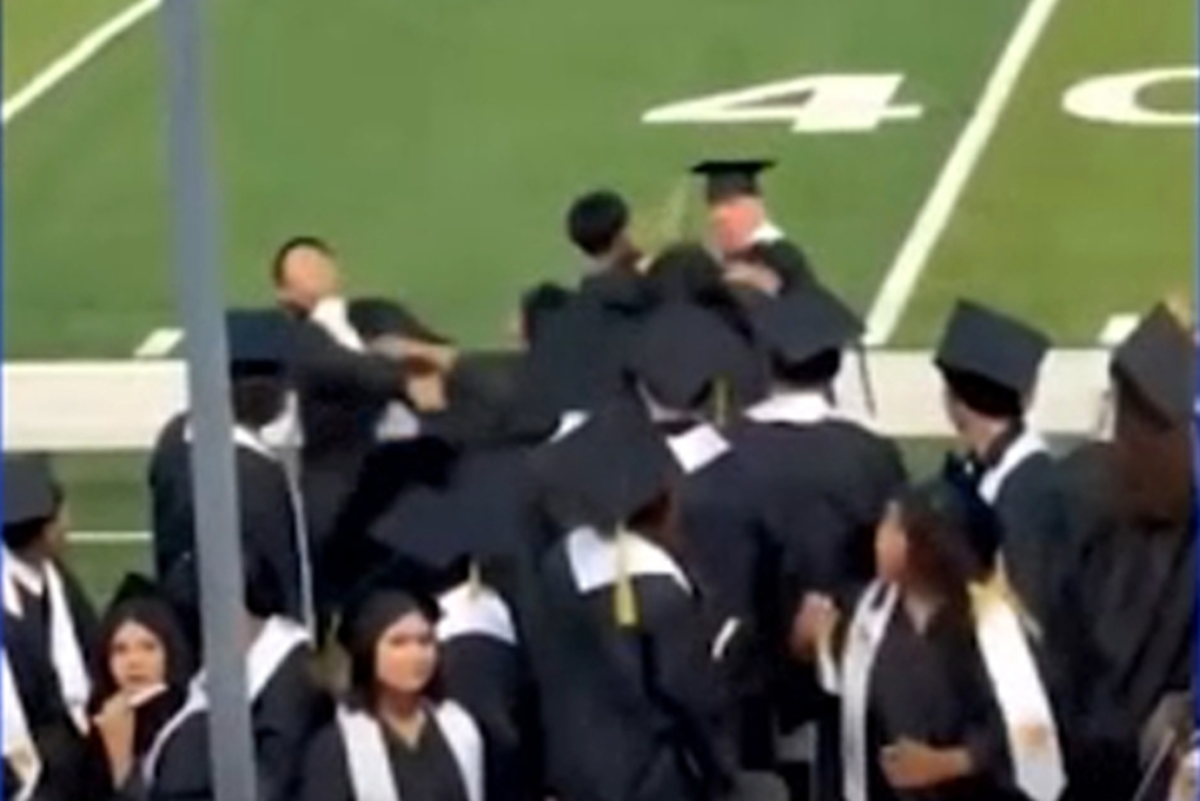
Suddenly, a milestone moment turns into a viral video clip. It happened recently at Thornwood High School in South Holland, Illinois, where a massive brawl broke out right in the middle of the commencement ceremony. As names were being read over the loudspeaker, chaos erupted in the stands and spilled onto the field. Punches were thrown, people scrambled for safety, and yes, even seniors in caps and gowns got dragged into the melee.
Instead of walking away with diplomas and pristine family photos, families left early in fear. The local police had to detain multiple people just to restore order. Sadly, Thornwood isn't an isolated incident. Across the country, from Ohio to Tennessee, graduation ceremonies are increasingly making headlines for violent outbursts rather than academic achievements.
You have to wonder what is causing people to lose their minds at what should be a dignified celebration.
The Anatomy of a Graduation Meltdown
Graduation ceremonies are unique pressure cookers. You are cramming thousands of emotional, stressed, and sometimes hostile people into tight spaces like hot football stadiums or packed convention centers. When you mix high emotions with poor planning, things go downhill fast.
At the Thornwood ceremony, the physical altercation started among a group of attendees in the stands while the graduating class was actively crossing the stage. Once the first punch landed, a domino effect took over. Video footage captured the stark contrast of students attempting to maintain decorum while a full-scale riot developed just yards away. Some graduates actually fled the field to avoid getting hit.
If you look at similar incidents nationwide, the triggers are almost always shockingly trivial. Earlier this May, a violent brawl erupted at a kindergarten graduation at the Queen of Apostles School in Toledo, Ohio. The cause? An argument over people moving folding chairs. That single dispute escalated into a felonious assault, an arrest, and a room full of crying five-year-olds.
In Michigan, a fight at the Dowagiac Union High School graduation injured a seven-year-old child and required police backup from five surrounding agencies. The common thread here isn't a deep-seated ideological war. It's basic human impatience, entitlement, and a total lack of situational awareness.
Why the Tension is Boiling Over Right Now
School administrators and security experts are struggling to keep up with this trend. It's easy to blame social media clout-chasing, and while the desire to go viral plays a role, the root causes run much deeper.
Extreme Crowding and Logistical Nightmares
Many school districts have consolidated their ceremonies or moved them to central venues to save money. When you put multiple rival neighborhoods or large, extended families into one arena without strict seating assignments, you create a logistical nightmare. People show up hours early, fight over saving rows of seats, and block views with massive signs or balloons. By the time the processional starts, tempers are already flaring.
The Loss of Public Decorum
There used to be an unwritten contract regarding milestone events. You put on nice clothes, you sit quietly, you applaud when it's over, and you don't make the day about yourself. That contract seems completely broken. Whether it's screaming over the announcer so the next family can't hear their child's name, or turning a minor insult into a fistfight, the baseline level of public disrespect has skyrocketed.
The Generational Impact on the Class of 2026
The students graduating this year spent formative chunks of their middle or early high school years dealing with disrupted social development. Parents and extended families missed out on traditional milestones. There is an intense, almost desperate level of emotional investment in these ceremonies now, which makes any perceived slight feel like a massive offense.
The Financial and Emotional Cost of a Ruined Commencement
The fallout from these brawls goes way beyond a few bruised egos or a night in a holding cell. For the schools and the communities, the damage is long-lasting.
In South Holland, village leaders expressed deep disappointment that the actions of a few individuals ruined a major milestone for hundreds of students. At Thornwood, the ceremony technically continued, but the atmosphere was completely destroyed. Many parents reported that the school stopped announcing the names clearly to the crowd just to rush everyone out safely. Imagine working for four years, only to have your moment cut short because adults in the audience couldn't behave themselves.
There are also massive legal and security financial burdens. When a fight breaks out, it triggers a multi-agency emergency response. In the case of a graduation brawl in Ripley, Tennessee, the violence was so widespread that the local mayor had to institute a county-wide curfew just to keep public safety under control. More than a dozen people ended up facing charges ranging from inciting a riot to contributing to the delinquency of a minor.
Schools are now forced to reallocate tight educational budgets toward heavy security infrastructure for end-of-year events. That means fewer resources for actual classroom learning.
How Schools are Changing Graduation Layouts
If you're an administrator planning a commencement, or a parent attending one soon, you can't just cross your fingers and hope for the best anymore. Relying on basic school resource officers isn't enough. Schools are completely redesigning how these events operate to prevent violence before it starts.
- Ticket Rationing and Strict Seating Caps: The days of inviting fifteen aunts, uncles, and neighbors are ending. Schools are strictly limiting tickets per graduate to keep crowd sizes manageable and eliminate the fight for space.
- Separating Graduates from the Audience Completely: Security teams are building physical barriers between the student seating area and the general public stands. This prevents crowd violence from spilling onto the graduates and ensures an open escape path if things go sideways.
- Staggered Entry and Exit Times: To prevent bottlenecks at the gates—where many verbal arguments begin—venues are implementing timed entry windows based on student last names.
- Zero-Tolerance Air Horn and Sign Bans: Loud air horns and massive poster boards frequently spark fights when they block the view of families sitting behind them. Strict enforcement at the gate cuts down on these immediate friction points.
The reality is simple. A graduation ceremony isn't a club or a sporting event where rowdy behavior is tolerated. It's a formal academic convocation. If communities want to preserve the dignity of this milestone for future classes, they need to stop treating these ceremonies like an open-invitation free-for-all.
Pack your patience, follow the venue rules, and remember that the day belongs to the kids in the caps and gowns, not the adults in the bleachers. Treat the event with the respect it deserves, or stay home and watch the livestream.