The waiting room smells like floor wax and damp wool coats, the familiar, slightly sterile scent of an ordinary Tuesday morning in an upstate pediatric clinic.
A toddler sits on his mother’s lap, chewing on the plastic corner of a board book. Across the aisle, a woman in her sixties flips through a three-month-old gardening magazine, coughing lightly into a folded tissue. Neither of them knows they are sharing the air with an invisible passenger that has waited three decades for a ride like this.
Two hours later, they are both gone. The room is empty. The receptionist wipes down the counter, locks the door, and turns off the fluorescent lights. Yet the virus remains, suspended in the still air like microscopic dust motes in a shaft of late afternoon sun, patiently waiting for the next pair of lungs to walk through the door at 8:00 AM tomorrow.
We used to know this ghost by name. We knew its footsteps, its feverish breath, and the specific, devastating grief it left in its wake. Then, for thirty years in New York State, the footsteps stopped. We grew quiet. We grew comfortable. And in the silence of our own success, we forgot why we built the walls in the first place.
Last week, New York health officials confirmed what infectious disease specialists have been quietly dreading for years. A resident has died from measles-linked complications—the first such death in the state in more than three decades. On paper, it is a single data point, a grim footnote in a weekly epidemiological bulletin. In reality, it is the sound of a lock snapping open on a door we swore we had bolted shut forever.
The Architecture of an Ambush
To understand why a single death in New York carries the weight of a siren, you have to understand the sheer, ruthless efficiency of the measles virus. Most people file it away in the same mental drawer as chickenpox or a bad winter flu—an itchy, miserable rite of passage from a bygone era. That is a catastrophic misreading of biology.
Measles is not merely contagious. It is arguably the most contagious human virus ever discovered.
Consider a hypothetical scenario to visualize how it moves. Imagine a crowded subway car at rush hour, or a bustling grocery store aisle on a Sunday afternoon. If one person in that space has the flu, they might pass it to one or two others before the doors open. If that same person has measles, and the room is unprotected, up to nine out of ten people breathing that air will become infected. The virus does not need a handshake, a shared glass, or even a direct cough in your face. It rides on aerosolized droplets so light they defy gravity, hanging in the air for up to two full hours after an infected person has already left the building.
And it arrives disguised.
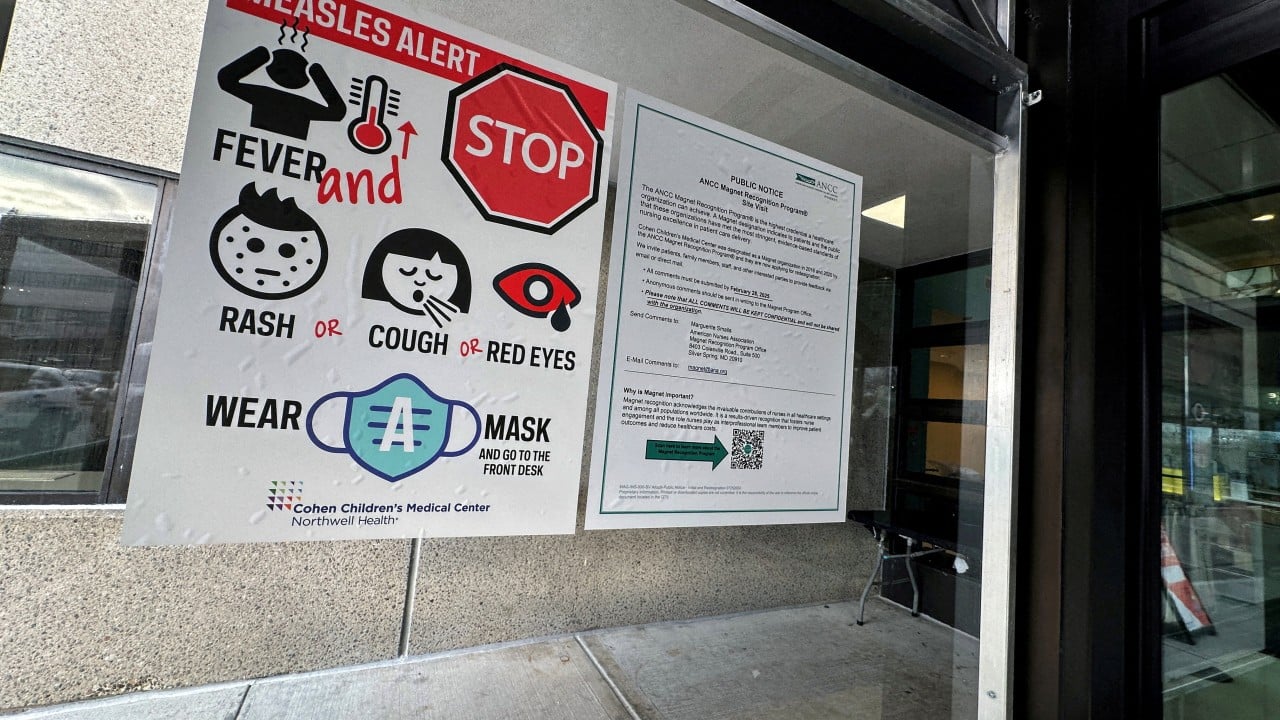
For the first several days, measles wears the mask of a common cold. A runny nose. A dry, hacking cough. Red, watery eyes that sting in bright light. A fever that climbs steadily, quietly, before a single telltale red spot ever blooms along the hairline. During this quiet prologue, the person carrying the virus has no idea they are a walking transmission tower. They go to work. They drop their kids off at daycare. They sit in waiting rooms. By the time the rash appears and the diagnosis becomes obvious, the virus has already leaped ahead, seeding new chains of infection across neighborhoods, counties, and state lines.
I remember the first time I truly grasped what this meant—not from a medical journal, but sitting beside a hospital bed in a pediatric ward years ago, watching a monitor beep out a rhythm that felt far too fragile. The air in that room was heavy, pressurized, separated from the hallway by double glass doors and yellow isolation gowns. Outside those doors, life moved at its usual, hurried pace. People checked their phones, complained about parking, and debated what to pick up for dinner. Inside, a child was fighting to pull oxygen through lungs inflamed by a virus that modern medicine had solved before his parents were even born. When you sit in that chair, listening to the rhythmic hiss of a ventilator, abstract debates about public health metrics evaporate. Everything narrows down to the rise and fall of a single chest.
What the Virus Actually Steals
When people ask why measles is still dangerous in an era of modern hospitals and intensive care units, the answer lies in what happens beneath the skin—a phenomenon immunologists call immune amnesia.
Think of your immune system as a vast, meticulously indexed library. Every cold you have ever survived, every scrape you have healed from, every vaccine you have ever received is stored on those shelves as a specific memory cell, ready to recognize and neutralize familiar enemies before they can hurt you.
Measles walks into that library and sets fire to the shelves.
Research has shown that the measles virus specifically targets and destroys memory B and T cells—the very cells responsible for remembering how to fight off other pathogens. In the months and even years following a measles infection, a survivor's immune system is effectively wiped blank, left as vulnerable as a newborn baby's. A child who recovers from the initial measles rash can suddenly succumb to a routine ear infection, a mild case of pneumonia, or a stomach bug they would have easily shrugged off six months earlier. The virus does not just attack the body today; it steals the body's ability to defend itself tomorrow.
And in rare, heartbreaking cases, it leaves behind a time bomb.
Subacute sclerosing panencephalitis—SSPE—is a neurological condition so rare it sounds like medical fiction until it happens to someone you love. Years after a child appears to have fully recovered from measles, the virus, having quietly hidden inside brain tissue, awakens. It triggers a progressive, relentless inflammation of the central nervous system. Personality changes appear first. Then muscle spasms. Then a slow, irreversible loss of speech, movement, and consciousness. There is no cure. It is always fatal.
Even in the immediate acute phase, the numbers are unforgiving. According to data from the Centers for Disease Control and Prevention, roughly one in five unvaccinated people who contract measles in the United States will end up hospitalized. One in twenty children will develop pneumonia, the most common cause of measles-related death in young kids. One in every thousand will suffer encephalitis—swelling of the brain that can leave survivors deaf or permanently intellectually disabled. And for every thousand children who catch it, one or two will die, even with the best medical care on earth.
The Illusion of Safety
For thirty years, New York lived inside a miracle so complete it became invisible.
Before the introduction of the measles vaccine in 1963, the virus was an annual, inescapable tide in the United States. Three to four million Americans caught it every year. Roughly 48,000 were hospitalized. Between 400 and 500 died—most of them children. Every family had a story. Every town had a quiet corner in the cemetery that told the tale of a bad spring.
Then came the vaccine. Two doses of the MMR shot—measles, mumps, and rubella—deliver roughly 97 percent protection against the virus. By the year 2000, the United States declared measles officially eliminated, meaning the virus was no longer continuously circulating within our borders. For over three decades, New York watched the rest of the world grapple with outbreaks while its own neighborhoods remained largely insulated.
That insulation was never a wall of concrete. It was a human chain, linked arm in arm.
Epidemiologists call it herd immunity, though the phrase feels too clinical for what it actually represents. It is a social contract written in biology. Because measles is so ferociously contagious, it requires roughly 95 percent of a community to be immune in order to stop the virus from finding a foothold. When 95 out of every 100 people are vaccinated, the virus hits dead ends everywhere it turns. It cannot jump. It starves.
And in the center of that circle of 95 people stand the five who cannot protect themselves. The three-month-old baby who is too young for her first shot. The six-year-old undergoing chemotherapy whose immune system has been intentionally suppressed to save his life. The pregnant woman whose immunity has waned. The elderly neighbor whose body can no longer mount a strong defense. Their survival depends entirely on the invisible shield formed by the strangers standing around them at the grocery store, on the train, and in the clinic waiting room.
Over the past several years, that shield has begun to fray.
Across pockets of New York and the wider country, vaccination rates have dipped below that critical 95 percent threshold. Sometimes the drop is driven by lingering post-pandemic fatigue, missed routine pediatric checkups, and overwhelmed family schedules. Sometimes it is fueled by waves of slick, emotionally charged misinformation circulating online, preying on the natural, fierce instinct of parents who simply want to keep their children safe. The human brain is wired to fear the visible, immediate action—the needle, the slight fever after a shot—far more than the invisible, statistical threat of a disease we have not seen in our lifetimes.
It is an understandable vulnerability. When a danger stays hidden long enough, the precautions we take against it start to look like the danger itself. You stop carrying an umbrella after thirty years of sunshine. You forget why the seawall was built when the ocean stays calm.
When the Margin Vanishes
Consider what happens next when that 95 percent line breaks.
Let us trace a realistic chain of transmission, grounded in how public health investigators actually track these outbreaks. It begins with a single international traveler—perhaps returning from a region where measles is currently surging—who steps off a plane at JFK or Newark feeling a slight tickle in their throat. They take a train north. They stop at a diner. They attend a family gathering in a community where immunization rates have slipped to 82 percent.
In a community with 95 percent immunity, that spark lands on wet wood and hisses out. In a community at 82 percent, it lands on dry kindling.
Within two weeks, a dozen people are sick. Within a month, dozens more. Local health departments suddenly find themselves fighting a brushfire in the dark, calling hundreds of contacts, scrambling to set up emergency vaccination clinics, and begging residents to stay home if they feel even slightly unwell. And inevitably, as the circle of infection widens, the virus finds its way past the outer edges of the crowd and reaches the vulnerable center. It finds the infant. It finds the immunocompromised adult. It finds the person whose body simply cannot survive the storm.
This is the quiet tragedy of the news out of New York. A death from measles in the twenty-first century is never an isolated accident. It is the final link in a long, preventable chain of missed opportunities, eroded trust, and forgotten history.
Rebuilding the Wall
So where does that leave a parent sitting at their kitchen table tonight, scrolling through headlines with a knot of anxiety in their stomach? Or an adult trying to remember whether they ever got their second shot back in the 1980s?
The fear is real, and it deserves clarity rather than condescension. Medicine can feel intimidating, full of jargon and shifting guidance, and nobody likes feeling lectured about their own family's health. Yet the tools we have to stop this are remarkably straightforward—tested across hundreds of millions of lives over more than sixty years.
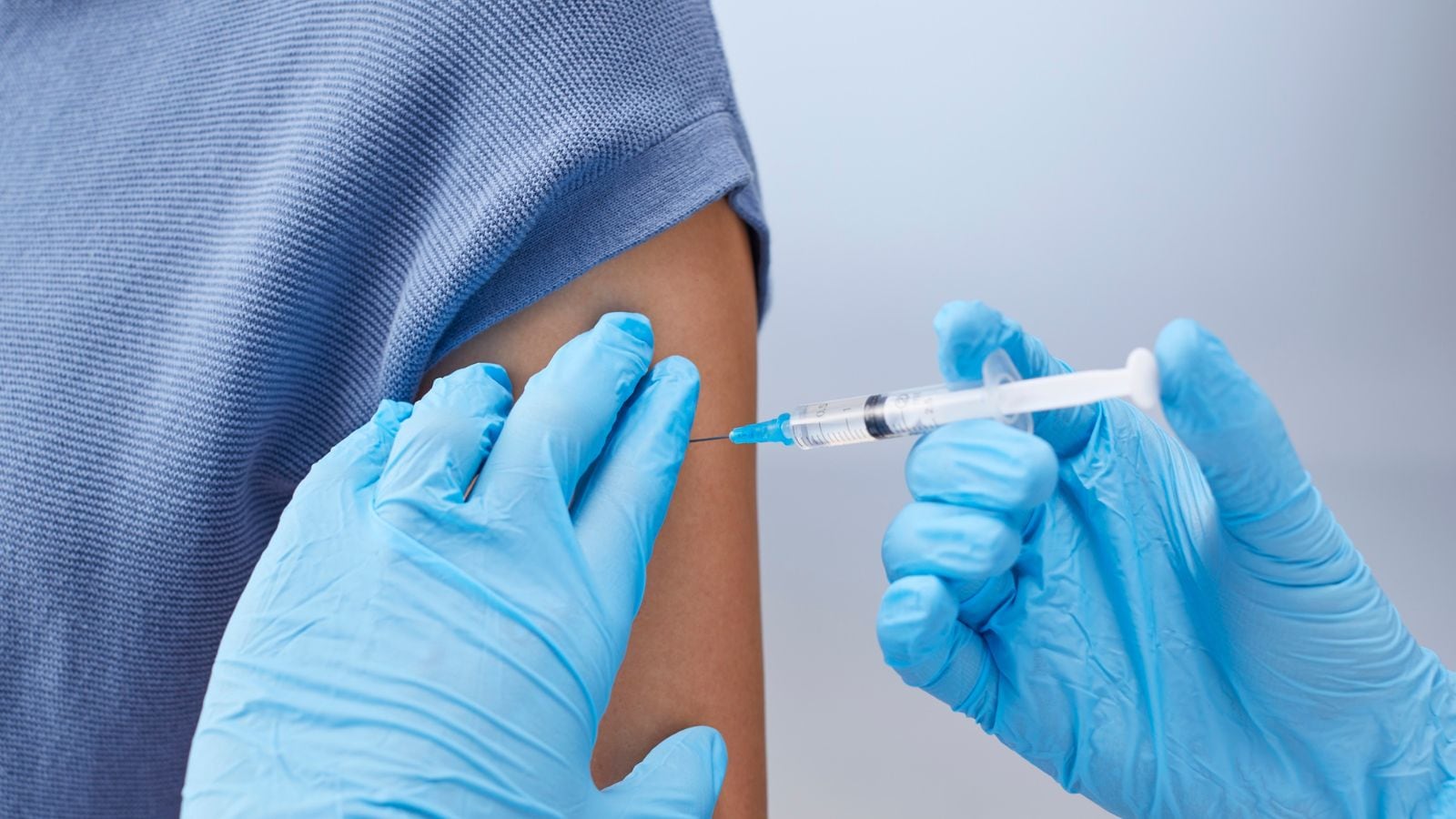
If you have children, the path is clear. The first dose of the MMR vaccine is typically given between 12 and 15 months of age, and the second between ages 4 and 6. If your family fell behind on routine checkups over the last few years, there is no judgment waiting at the pediatrician's office—just an open door to catch up. And if you are planning international travel with an infant between 6 and 11 months old, doctors can administer an early protective dose before you board the plane.
If you are an adult, it is worth taking ten minutes to check your own armor. People born before 1957 are generally considered naturally immune, having lived through the era when the virus touched almost everyone. Those vaccinated between 1963 and 1967, however, may have received an older, less effective version of the shot, and many adults born in the 1970s and 1980s only ever received a single dose before the two-dose standard was adopted in 1989. A quick conversation with your doctor—or a simple blood test called a titer—can tell you where you stand. Getting a booster as an adult is safe, widely available, and requires no guesswork.
Most of all, rebuilding the wall requires restoring a simple, quiet habit of looking out for one another. Public health is rarely dramatic when it works. It looks like a routine Tuesday afternoon appointment. It looks like a bandage on a toddler's thigh and a sticker on a shirt. It looks like nothing happening at all.
The waiting room in that upstate clinic will open again tomorrow morning at eight o'clock. The fluorescent lights will flicker on. Mothers will adjust damp coats, elderly neighbors will reach for magazines, and toddlers will chew on the corners of well-worn books. Whether the air they breathe is safe or dangerous will not be decided by a miracle in a laboratory, nor by a headline in a newspaper, but by the invisible, everyday choices made by every single person who walked through that door before them.