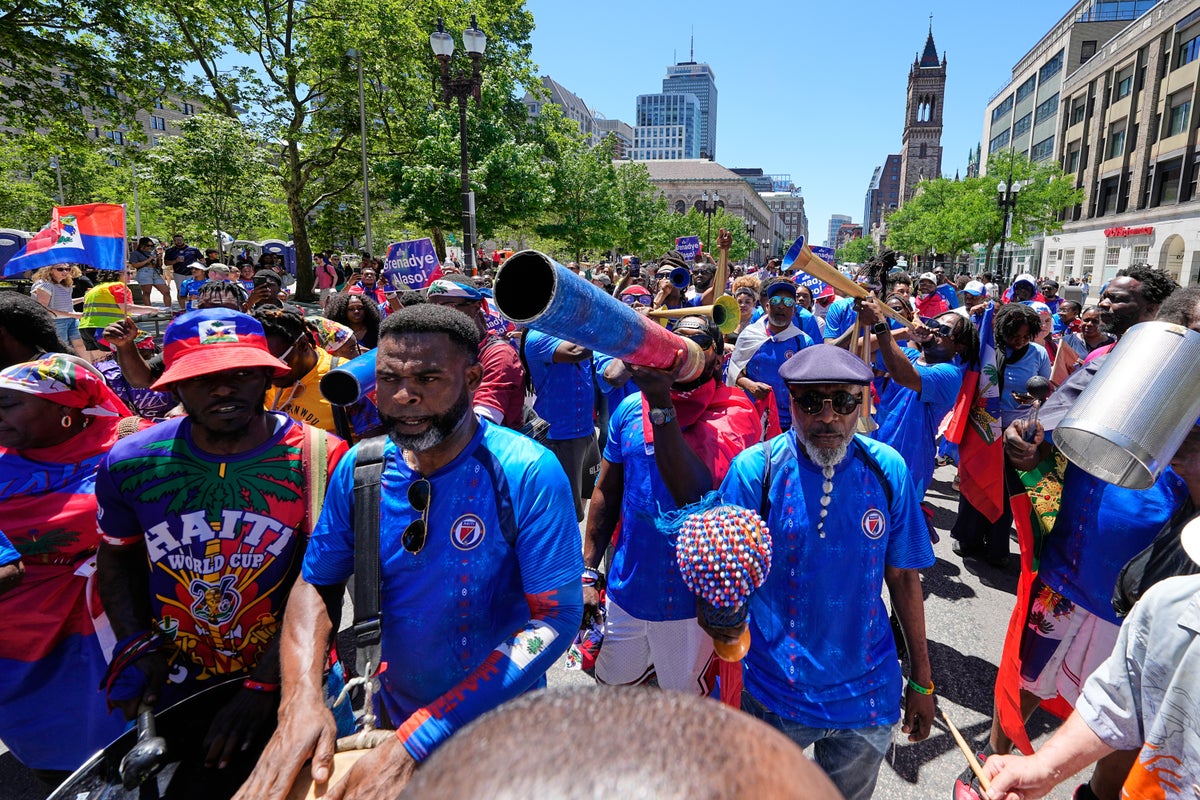
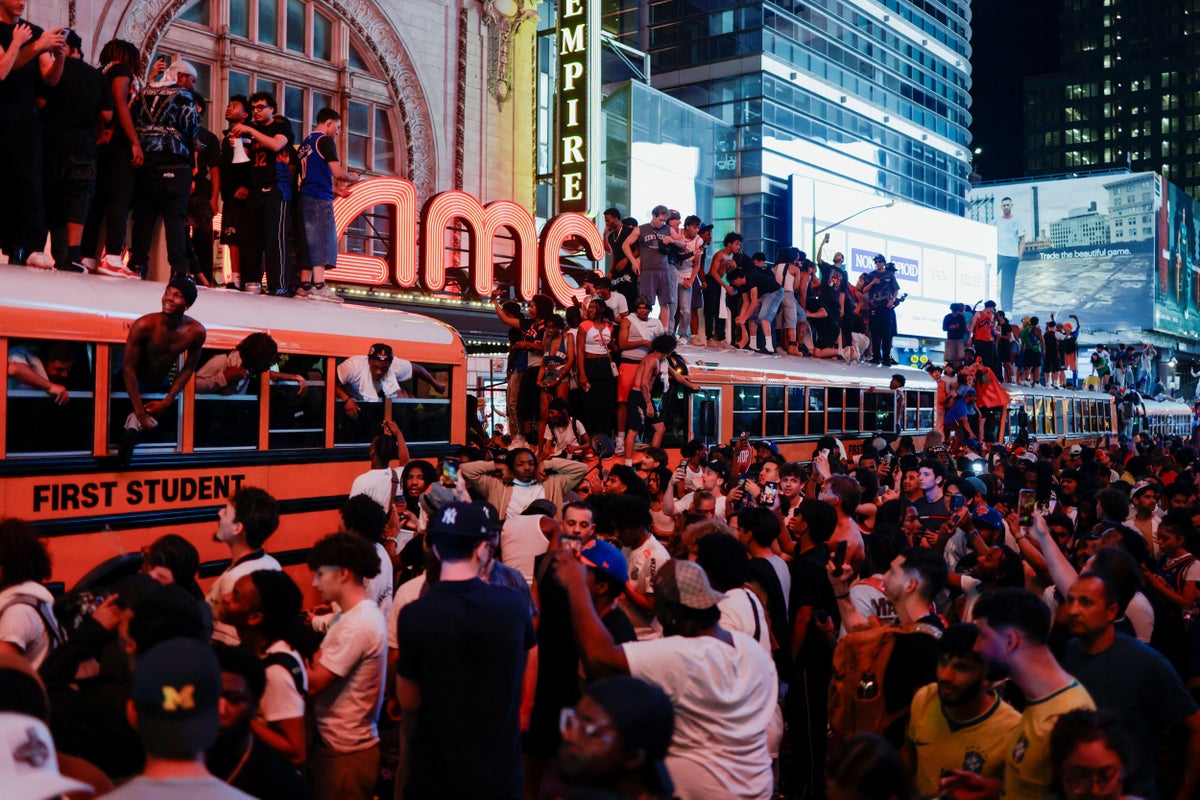
The 2026 World Cup has transformed North American cities into hyper-concentrated hubs of global migration, asset stress, and cultural collision. While surface-level sports commentary focuses heavily on the sonic spectacle of Scottish bagpipes, Haitian drums, Brazilian samba, and Moroccan chants, the reality on the ground points to a massive logistical and socio-economic experiment. Millions of fans crossing borders simultaneously has strained municipal infrastructure, exposed severe gaps in tournament preparation, and rewritten the rules of modern sports fandom.
This tournament is not just a sporting event. It is a mass migration event compressed into a matter of weeks. The sheer volume of international arrivals has forced host cities to confront real-time challenges in transport, housing, and security that go far beyond the festive atmosphere visible on television broadcasts.
The Economic Mirage of the Traveling Supporter
Local organizing committees spent years projecting massive windfalls from international visitors. The truth, visible in the commercial districts of host cities, is far more nuanced. While luxury hotels and stadium-adjacent bars are seeing unprecedented volume, the broader local economy is experiencing a distinct crowding-out effect. Regular tourism has ground to a halt. Local residents are staying home to avoid gridlock.
The spending patterns of fans from different nations reveal deep economic disparities and varying survival strategies in hyper-inflated host economies.
The Low Cost High Impact Fandom
Supporters from nations facing tougher economic realities or severe currency devaluation have adapted by bypassing traditional hospitality networks entirely. Informal networks have replaced hotels.
- Haitian and Moroccan diasporas have turned into massive, decentralized hosting networks, absorbing tens of thousands of traveling compatriots into private homes.
- Pop-up economic ecosystems have emerged outside official fan zones, featuring unlicensed food vendors, independent merchandise traders, and peer-to-peer transport arrangements.
- Public spaces like parks and metro stations have become default community centers, shifting the financial benefit away from corporate tournament sponsors toward the informal cash economy.
This shift has frustrated FIFA’s tightly controlled commercial model. Corporate sponsors pay hundreds of millions for exclusive rights to sell food, beverages, and merchandise within specific perimeters. Yet, the sheer scale of the crowds has made it impossible for local authorities to police the informal commerce thriving just outside the security gates.
Infrastructure Under Siege
The transport networks of North American metros were never designed to handle the simultaneous movement of distinct, highly organized fan bases. When tens of thousands of Scotland supporters, known collectively as the Tartan Army, move through a transit system alongside thousands of Brazilian fans, the physical strain on infrastructure reaches a breaking point.
Consider the logistical nightmare of a match day. Standard transit models base their calculations on orderly, staggered arrivals. International football culture operates on an entirely different rhythm. Fans gather in central squares hours before kickoff, marching toward the venue en masse. These massive, synchronized movements create unprecedented peak loads on subway lines and bus networks.
In several instances, transit authorities have had to suspend regular service entirely to accommodate these fan marches. The economic cost of these shutdowns to non-sporting businesses is immense, raising serious questions about whether mid-sized host cities possess the structural capacity to host an expanded 48-team tournament without paralyzing their own civic functions.
The Security Apparatus and Cultural Misunderstanding
Private security firms and local police departments have struggled to read the room. Decades of policing domestic sporting events in North America did not prepare law enforcement for the collective, boisterous nature of global football fandom.
Reading the Crowds
What local police often interpret as civil unrest is, in reality, standard European or North African supporter culture. The heavy use of pyrotechnics, smoke bombs, and synchronized chanting by Moroccan ultra-style groups has frequently triggered overreactions from stadium security. Conversely, the intense, alcohol-fueled celebrations of Scottish fans have occasionally overwhelmed local ordinances, leading to a tense standoff between public celebration and strict local laws.
Typical Fan Flashpoints:
| Supporter Group | Primary Expression | Security Misinterpretation |
| :--- | :--- | :--- |
| Scotland | Mass public drinking, street takeovers | Public intoxication, vagrancy |
| Morocco | Pyrotechnics, synchronized chanting | Riot preparation, civil unrest |
| Brazil | Large-scale musical marches | Unlicensed parades, traffic obstruction |
This friction highlights a deeper issue. The commercialization of the World Cup attempts to sanitize fandom into a family-friendly corporate product. The actual fans, however, bring a raw, tribal intensity that resists standardization. The clash is not between rival fan bases, who have largely coexisted peacefully, but between the fans and the rigid security apparatus designed to contain them.
The Housing Crisis Amplified
The arrival of millions of fans has supercharged an already volatile housing market in major metropolitan areas. Short-term rental platforms saw prices skyrocket by over 300 percent in match-week windows. This artificial inflation did not just affect tourists; it pushed vulnerable local tenants to the brink.
Reports have surfaced of landlords utilizing legal loopholes to evict long-term tenants in favor of lucrative, short-term World Cup rentals. While a property owner can make a year's worth of rental income in a single month by housing affluent international visitors, the long-term social cost is borne by the host city’s displaced population.
The tournament has laid bare the dark side of the modern gig economy. The platforms that facilitate rapid, flexible lodging during global mega-events also incentivize the hollowout of residential neighborhoods, turning communities into temporary hotels for transient sports fans.
The Geopolitical Stage of the Terraces
The stands of the 2026 World Cup are not politically neutral spaces. For nations like Haiti and Morocco, the football pitch serves as a highly visible platform for broader socio-political statements.
The massive Haitian turnout across various venues is not merely about sport. It is a profound statement of cultural resilience and visibility for a diaspora watching its homeland navigate immense political upheaval. The stadium becomes one of the few places where the global Haitian community can project unity, joy, and strength on an international stage free from the narrative of crisis.
Similarly, Moroccan fans have utilized their presence to assert North African and Arab cultural identity, continuing the momentum of their historic 2022 run. The synchronized drumming and chanting are deeply political acts of cultural assertion, demanding space and respect in a Western-centric sports media environment.
The Environmental Cost of the Expanded Format
The decision to expand the tournament to 48 teams across three massive nations was a commercial masterstroke that has proven to be an environmental disaster. The carbon footprint of the 2026 World Cup is staggering, driven primarily by the immense distances fans must travel between matches.
Unlike previous tournaments held in compact geographic regions like Germany or Qatar, where fans could rely on high-speed rail, this iteration demands constant commercial aviation. A fan following Brazil or Scotland might find themselves flying from the West Coast to the American South, then up to Canada within a ten-day window.
- Aviation emissions have spiked significantly along specific domestic corridors.
- Municipal waste management systems in host cities have been overwhelmed by the volume of single-use plastics generated around stadiums and fan zones.
- Water infrastructure in drought-prone host cities has faced immense pressure from the sudden population influx.
The greenwashing campaigns launched by tournament organizers, promising a carbon-neutral event through questionable carbon-offset schemes, look increasingly absurd when measured against the reality of thousands of flights crisscrossing the continent daily.
The Structural Legacy Left Behind
When the final whistle blows and the fans pack up their drums, bagpipes, and flags, host cities will be left to reckon with the actual legacy of the event. The narrative pushed by FIFA always promises long-term infrastructure improvements and economic revitalization. Historical precedent suggests a different outcome.
The expensive upgrades made to stadiums to meet FIFA's exacting standards often offer little utility for local communities after the tournament ends. Transit lines expanded for match days may not align with the daily needs of working-class residents. The temporary economic boom disappears, leaving municipal governments to pay off the debt incurred to host the spectacle.
The true impact of the 2026 World Cup fan influx will not be measured by the temporary joy in the streets or the television ratings. It will be measured by the long-term resilience of the host cities' public infrastructure, the stability of their housing markets, and whether the financial returns were worth the immense strain placed on their civic foundations. Host cities must fundamentally alter how they negotiate with global sporting bodies, shifting the balance of power back toward local citizens rather than corporate entities.