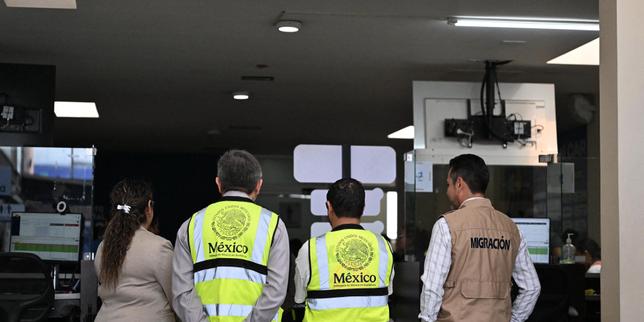
State-directed migration control relies on predictable sovereign channels, yet recent operational shifts by Washington have introduced structural friction into cross-border repatriation logistics. By diverting approximately 2,300 Mexican nationals away from direct home-country repatriation and into Guatemala, United States enforcement agencies have altered the operational architecture of bilateral border management. This maneuver exposes the tension between domestic political optimization and the diplomatic costs imposed on a primary trading partner.
Deconstructing this diplomatic friction requires analyzing three distinct variables: operational deterrence objectives, sovereign jurisdiction boundaries, and transit-state coordination costs.
The Deterrence Logic and Its Externalities
The enforcement strategy of the United States Department of Homeland Security prioritizes volume and psychological deterrence. By executing third-country removals—displacing Mexican citizens to Central American territory rather than executing direct cross-border handoffs—Washington attempts to break the geographic continuity that facilitates immediate re-entry attempts.
However, this mechanism creates a negative externality for neighboring states. Mexico maintains an explicit legal obligation and an open administrative posture to receive its returning citizens directly. When Washington bypasses this established channel, it imposes secondary administrative burdens on third parties. Guatemalan authorities must process these arrivals under transit protocols, requiring rapid-turnaround bus transfers back to Mexican territory within a compressed 24-hour window.
The Diplomatic Cost Function
Diplomatic relations between Washington and Mexico City operate on a dual-track model. On one track, economic integration thrives, evidenced by cross-border exchange volumes approaching historic highs near one trillion dollars annually. On the second track, security and migration policies generate friction points.
The Mexican government's formal rebuke of these third-country transfers is an assertion of sovereign jurisdiction. The core objection is not logistical incapacity, but the bypassing of national entry protocols. When interior and foreign ministries object publicly, they signal that domestic political constituents will not absorb the indignity of citizens being treated as detached regional transients rather than sovereign nationals.
Operational Realities at the Southern Border
The mechanics of this friction are constrained by geographical and legal realities. Unlike nationals of distant states who lack repatriation agreements, Mexican citizens possess an enforceable right of entry into their home territory. Forcing a roundabout transit via Guatemala introduces unnecessary logistical steps:
- Air transport deployment carrying mixed cohorts of Guatemalan and Mexican returnees.
- Mandatory intermediate processing by Guatemalan immigration services.
- Coordinated secondary bus transit across international lines to complete repatriation.
This sequence multiplies the transaction costs of each removal operation. It consumes state resources in Guatemala, introduces coordination failures, and triggers diplomatic protests without altering the final destination of the displaced individuals.
Strategic Outlook
Bilateral enforcement efficiency depends on alignment between interception logic and repatriation pathways. Continued reliance on third-country routing for populations with functioning home-state acceptance frameworks guarantees persistent diplomatic friction. To eliminate this administrative drag, enforcement authorities must realign removal pipelines with direct bilateral handover mechanisms, preserving operational tempo while respecting sovereign borders.