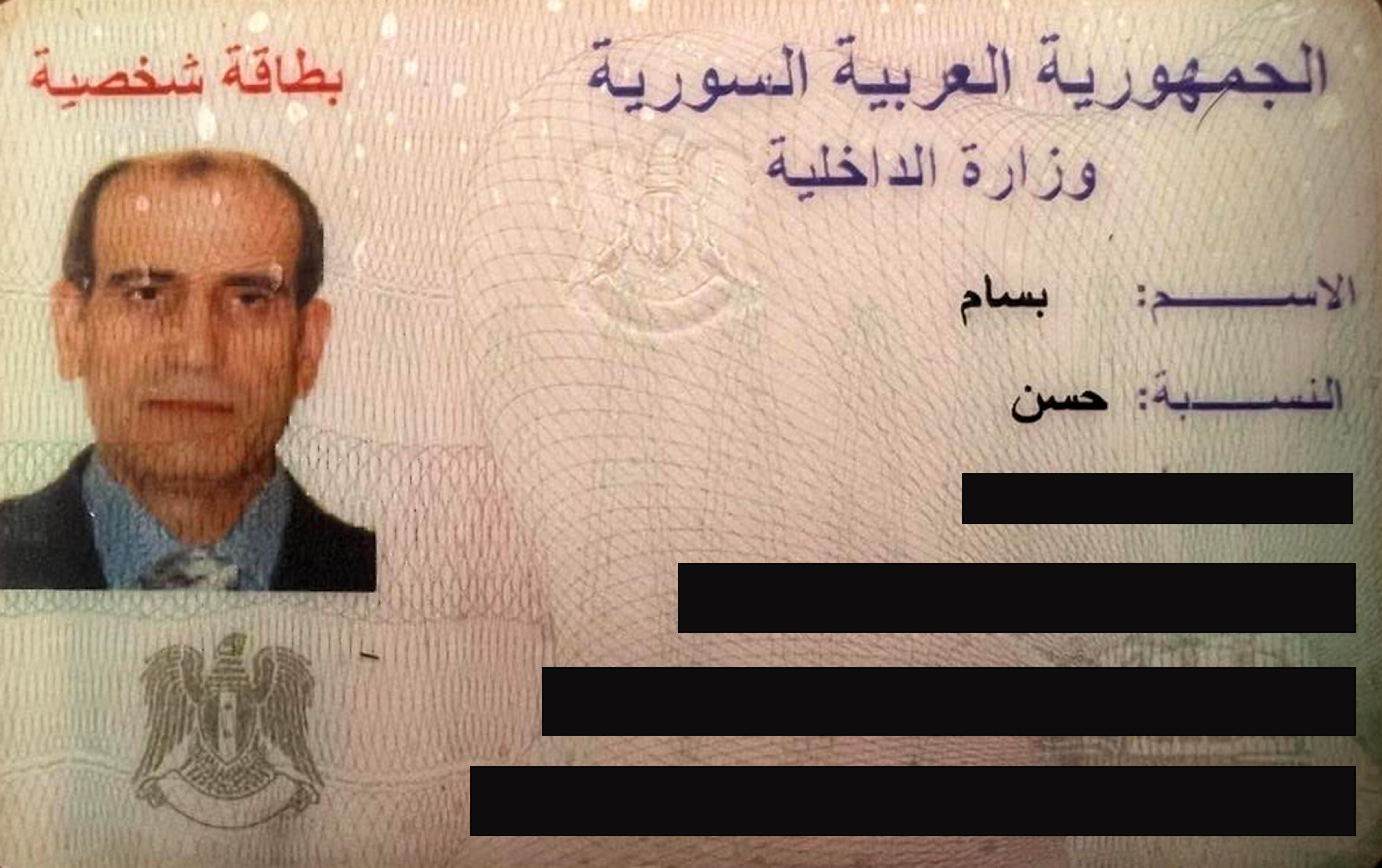
Statecraft often forces intelligence agencies into transactions where accountability is traded for actionable information. When investigative journalism reveals that high-ranking state actors accused of grave violations are shielded in exchange for operational leverage, it exposes the structural friction between moral universalism and realpolitik. The preservation of wanted individuals by sovereign sponsors is not an anomaly of international relations; it is the predictable outcome of a risk-weighted calculation where the utility of intelligence overrides the execution of retributive justice.
The Mechanics of Transactional Sanctuary
To understand why a state apparatus would protect an individual implicated in systematic atrocities, one must map the transaction cost economics of intelligence retrieval. Governments facing high-value information vacuums—such as the fate of missing citizens or classified military movements—operate under strict time and scarcity constraints.
- The Information Premium: When a target holds monopolistic access to high-value data, standard legal frameworks are bypassed. The market value of the missing data spikes, creating an incentive structure that rewards protection over prosecution.
- The Immunity Gradient: Sovereignty acts as a protective shield. Host nations, often navigating internal instability or external pressure, leverage the presence of high-profile exiles as diplomatic currency. Granting safe harbor transforms a liability into a negotiable asset.
- The Enforcement Bottleneck: International arrest warrants and universal jurisdiction mechanisms rely on state enforcement. If the states possessing territorial custody refuse to execute extradition, the legal architecture stalls, rendering international justice subordinate to local security priorities.
The Institutional Trade-Off Matrix
The protection of figures linked to past regime violence creates severe systemic externalities that undermine long-term stability for short-term intelligence gains.
The friction manifests along distinct operational vectors:
- Credibility Erosion: When states that publicly advocate for human rights and accountability are implicated in shielding violators, their normative leverage degrades. This hypocrisy provides ideological ammunition to adversarial regimes.
- Victim Disenfranchisement: For survivors and families seeking legal closure, state-sanctioned protection of perpetrators closes off judicial remedies. This institutional abandonment deepens grievances and forecloses transitional justice.
- Precedent Risk: Institutionalizing impunity for pragmatic reasons establishes a dangerous operational baseline. It signals that culpability can be negotiated away if an individual retains tactical value to a foreign intelligence service.
Strategic Implications of Intelligence Co-Option
The integration of former regime elements into contemporary intelligence networks highlights the structural inertia of geopolitical rivalries. Transitions of power rarely wipe the slate clean; instead, they create fragmented ecosystems where old-guard operatives become indispensable assets to new patrons.
The reliance on compromised intermediaries distorts threat assessments. Intelligence provided by actors seeking self-preservation is inherently skewed by survivorship incentives, requiring extensive verification that often negates the initial time-saving utility. Furthermore, maintaining these networks demands continuous resource allocation and diplomatic shielding, compounding the long-term political costs well beyond the value of the initial intelligence yield.
Strategic Recalibration
To resolve the structural contradictions inherent in harboring high-value targets, oversight bodies must enforce strict sunset clauses on intelligence partnerships involving human rights violators. The accumulation of short-term tactical advantages must be weighed against the degradation of international legal frameworks. Without enforceable standards that preclude the commodification of justice, intelligence operations will continue to trade structural security for ephemeral tactical gains.
Fubu Toy review
This video provides a concise overview of the investigative findings regarding the protective arrangement shielding the former Syrian general.