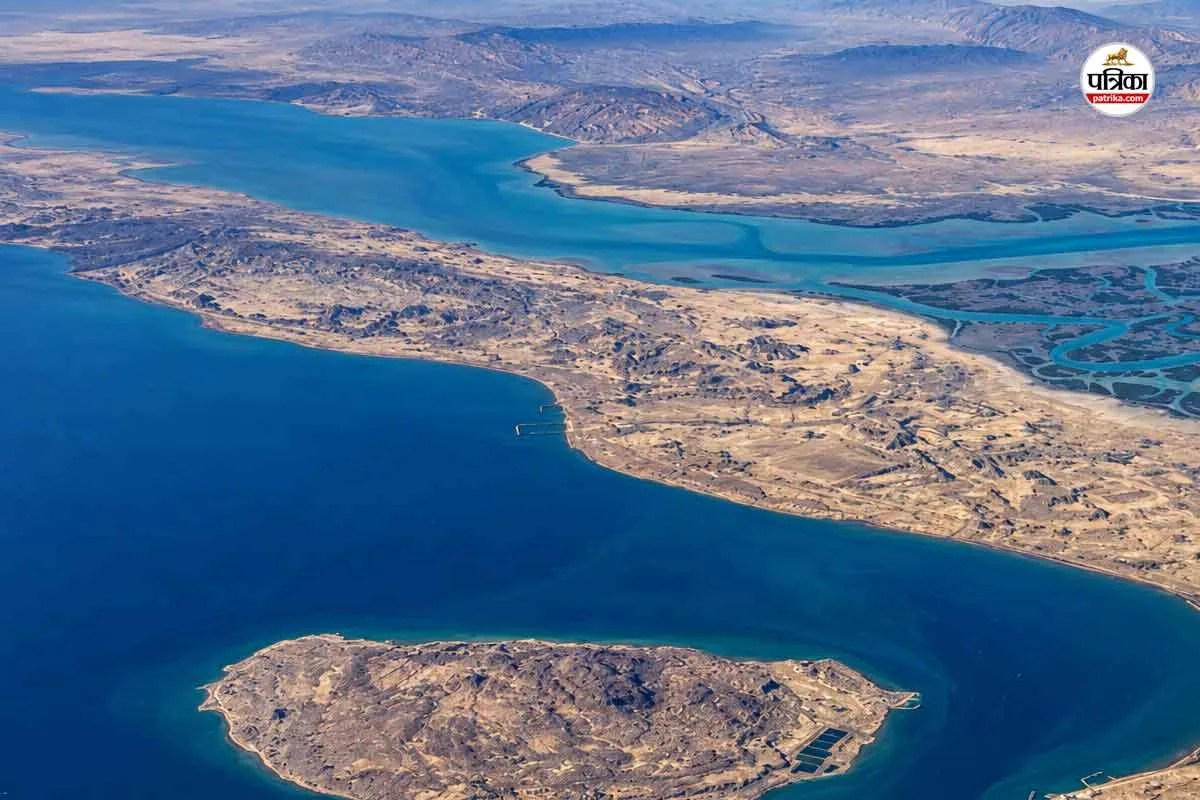
Maritime choke points operate as high-leverage friction points in global trade networks, where physical geography intersects directly with systemic economic vulnerability. When kinetic actions disrupt commercial vessels near the southern coast of Iran and the Strait of Hormuz, the impact propagates instantly across international supply chains, marine insurance markets, and energy futures. Analyzing these incidents requires stripping away sensationalized media framing and examining the structural mechanics of littoral warfare, commercial shipping risk assessments, and the geostrategic contest for regional waterway control.
The Three Structural Vectors of Maritime Vulnerability
Navigational safety inside the Persian Gulf relies on a delicate balance between international maritime law, transit rights, and state-enforced security architecture. When kinetic strikes hit commercial tonnage near strategic nodes like Qeshm and Hengam islands, three distinct vectors of systemic disruption emerge.
The first vector involves the escalation of insurance risk pricing. Marine underwriters react to littoral attacks by adjusting hull and machinery war-risk premiums. Even a fractional percentage increase on cargo value translates into millions of dollars in operational overhead per voyage, altering the cost function of global commodity transport.
The second vector centers on behavioral shifts in route planning. Commercial fleet operators balancing delivery schedules against crew safety face binary choices: submit to regional transit restrictions imposed by coastal authorities or divert vessels around alternate paths, which introduces massive fuel penalties and transit delays.
The third vector relates to signaling and deterrence. Kinetic actions against commercial or quasi-commercial shipping in contested zones are rarely isolated events. They function as tactical instruments designed to challenge naval dominance, test air defense reaction times, and contest regional hegemony without triggering open total war.
Quantifying the Cost of Littoral Friction
To understand why a single vessel strike generates disproportionate global anxiety, one must evaluate the macro-economics of the Strait of Hormuz. A significant percentage of globally traded petroleum and liquefied natural gas moves through this narrow maritime corridor daily.
When regional actors contest transit lanes, the resulting friction introduces a risk premium on energy commodities. This premium functions as a hidden tax on importing economies. Shippers operating in the zone must constantly calculate the trade-off between speed and security. As asymmetric threats evolve—ranging from uncrewed surface vessels to precision-guided munitions—traditional naval escort paradigms face severe operational strains. Warships cannot maintain a 100 percent protective bubble over every independent merchant vessel, leaving commercial operators exposed to calculated risks.
Strategic Realities and Risk Mitigation
Managing operations in high-threat maritime zones demands a shift from reactive compliance to proactive threat modeling. Fleet managers operating near Iranian territorial waters must integrate real-time telemetry, automated identification system data auditing, and dynamic threat intelligence to evaluate littoral exposure.
The limitation of current security frameworks lies in the absence of a unified international maritime policing mechanism accepted by all regional stakeholders. While diplomatic channels and multilateral summits attempt to de-escalate tensions, structural differences between major powers leave tactical vulnerabilities unaddressed. Consequently, commercial shipping lines must internalize the reality that regional friction will remain a persistent variable in maritime supply chain planning for the foreseeable future.