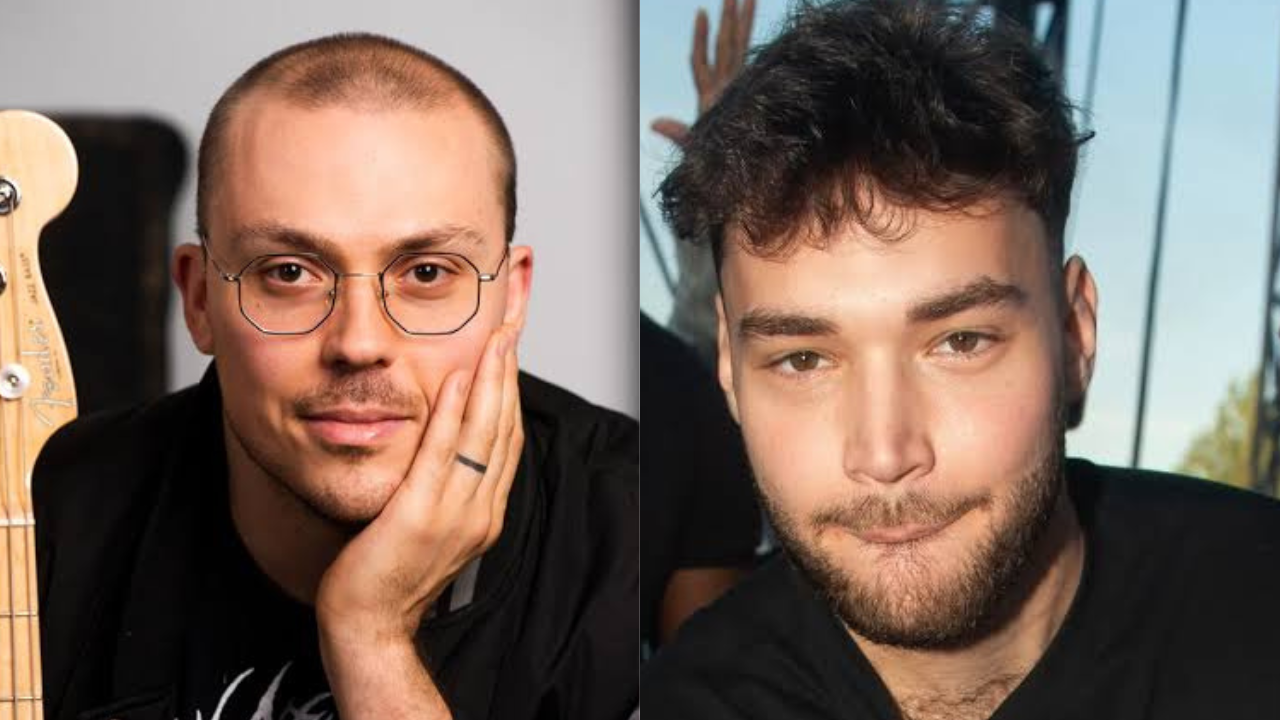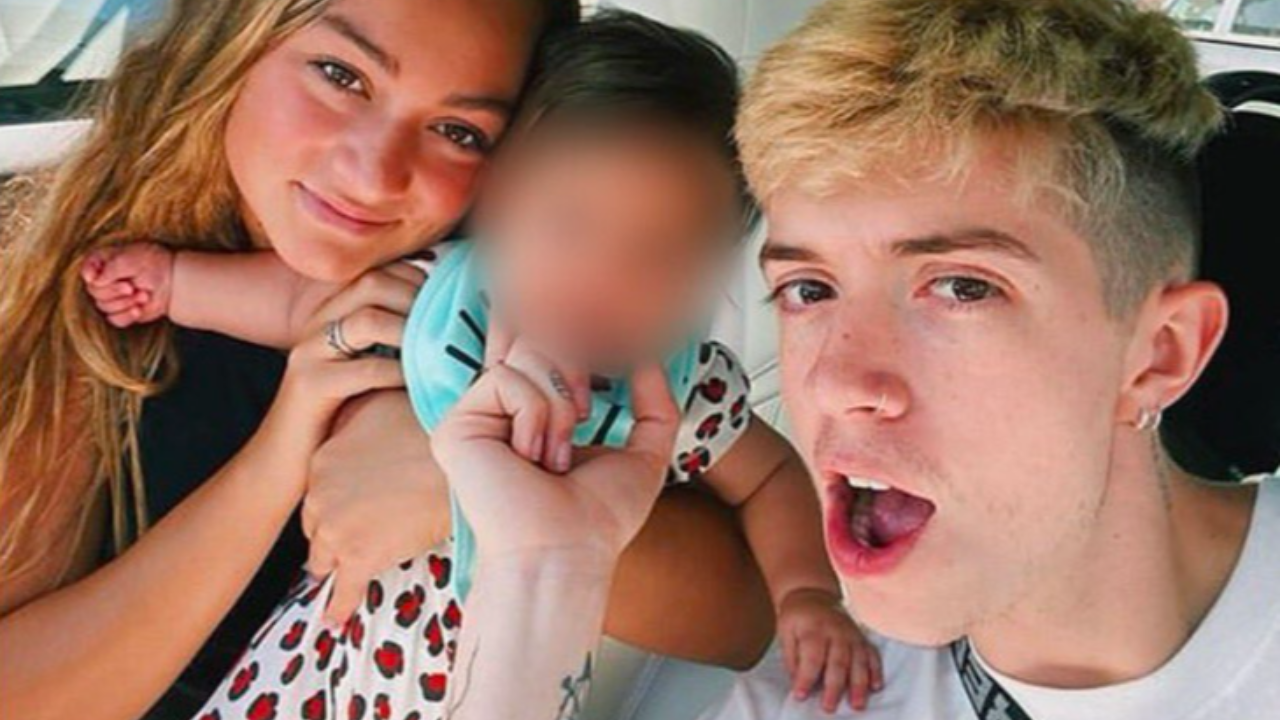
The internet erupted when allegations surfaced that TikTok creator Gabbie Gonzalez was involved in a murder-for-hire plot targeting her former partner, Why Don’t We singer Jack Avery. These claims, primarily circulated via leaked text messages and social media depositions, suggest a terrifying escalation from standard influencer friction to criminal conspiracy. While fans scrambled to verify the authenticity of these digital receipts, the situation highlights a grimmer reality regarding the lack of boundaries in high-stakes social media relationships and the legal fallout that occurs when private bitterness meets public platforms.
Beyond the Viral Allegations
The friction between Gonzalez and Avery is not a new development. Their history has been a public spectacle for years, marked by a highly publicized breakup and ongoing disputes over the parenting of their daughter, Lavender. However, the narrative shifted from "toxic exes" to "potential felony" when unverified screenshots began circulating across X and TikTok. These messages allegedly showed Gonzalez discussing a financial arrangement to cause physical harm to Avery.
It is vital to distinguish between social media "trials" and actual legal proceedings. To date, law enforcement has not confirmed an active criminal indictment matching the specific "murder-for-hire" label popularized by fan accounts, though the domestic situation remains legally volatile. In cases involving high-profile influencers, the speed of information often outpaces the speed of justice. A rumor can destroy a reputation in minutes, but a police investigation takes months of forensic digital analysis to prove intent and capability.
The Anatomy of an Influencer Crisis
When personal lives are monetized, the stakes for every argument are artificially inflated. For Gonzalez and Avery, their private lives were the fuel for their professional growth. This dynamic creates an environment where extreme behavior is sometimes viewed as "content" until it crosses into the territory of genuine threat.
- Public Perception vs. Legal Reality: Social media users often treat leaked DMs as a final verdict. In reality, proving a murder-for-hire plot requires evidence of a "meeting of the minds" and an "overt act" toward the commission of the crime.
- The Role of Fan Bases: The Why Don't We fandom, known for its intense loyalty, acted as a volunteer investigative unit. This crowdsourced surveillance often uncovers details that might otherwise stay buried, but it also creates a vacuum where misinformation can thrive.
- Digital Footprints: Every text, voice note, and deleted post leaves a trail. If the allegations against Gonzalez hold weight, the very tools used to build her brand will become the primary evidence used to dismantle her freedom.
The Toxic Intersection of Parenting and Fame
At the heart of this storm is a child. The battle over Lavender has been the primary engine of conflict for Gonzalez and Avery. In traditional family law, disputes are handled in closed courtrooms. In the influencer world, these disputes are litigated in the comments section.
The psychological pressure of maintaining a perfect image while navigating a crumbling personal life often leads to desperate measures. If Gonzalez did indeed look into hiring someone to harm Avery, it suggests a complete breakdown of the legal and social guardrails that usually keep custody battles civil. The desire for control in a public-facing life can become a dangerous obsession.
Why Influencer Feuds Turn Dangerous
We have seen a trend where digital creators feel untouchable. They live in an echo chamber of "yes-men" and devoted followers who validate their every move. This can lead to a warped sense of reality where the laws of the physical world no longer seem to apply.
The leap from "venting about an ex" to "planning a hit" is massive. It requires a specific type of detachment from consequence. For an industry that thrives on attention, the threat of losing that attention—or losing a custody battle that affects one's public narrative—can trigger extreme fight-or-flight responses.
The Legal Threshold for Conspiracy
If law enforcement moves forward with charges, the prosecution will focus on the "why" and "how." They will look for a paper trail of payments or communications with a third party. A "murder-for-hire" charge is not just about a person saying they want someone dead; it is about the active solicitation of that act.
Observers should look for several key indicators in the coming months:
- Subpoenas of Cloud Data: Deleted messages are rarely gone. Investigators will go to the source—the servers of the messaging apps used.
- Witness Testimony: Did Gonzalez speak to others about these plans? Third-party testimony is often the backbone of conspiracy cases.
- Protective Orders: The immediate fallout of these allegations is usually seen in family court first, with emergency custody orders and restraining notices.
The Responsibility of the Audience
As this story continues to break, the audience plays a role in the outcome. The monetization of this drama by "tea channels" and commentary accounts often incentivizes the spread of the most shocking version of a story, regardless of its accuracy. This creates a feedback loop where the accused feels more cornered, and the victim feels more exposed.
The situation involving Gabbie Gonzalez and Jack Avery serves as a grim warning about the dangers of the influencer lifestyle. When the line between a person's life and their brand disappears, the consequences are rarely just a drop in follower count. They are measured in courtrooms and prison sentences.
The digital receipts are out, and the public has made its initial judgment. Now, the heavy lifting falls to the legal system to determine if this was a series of dark, misinterpreted vents or a legitimate threat to human life. The influencer era has produced many scandals, but few have reached this level of potential lethality. If the allegations are proven true, it will mark one of the darkest chapters in the history of social media celebrity.
The true test of a society's relationship with its digital idols is whether it values the truth more than the entertainment provided by their downfall. This isn't just about a singer and a TikToker anymore; it's about whether the legal system can still function in an age where the jury is the entire internet.