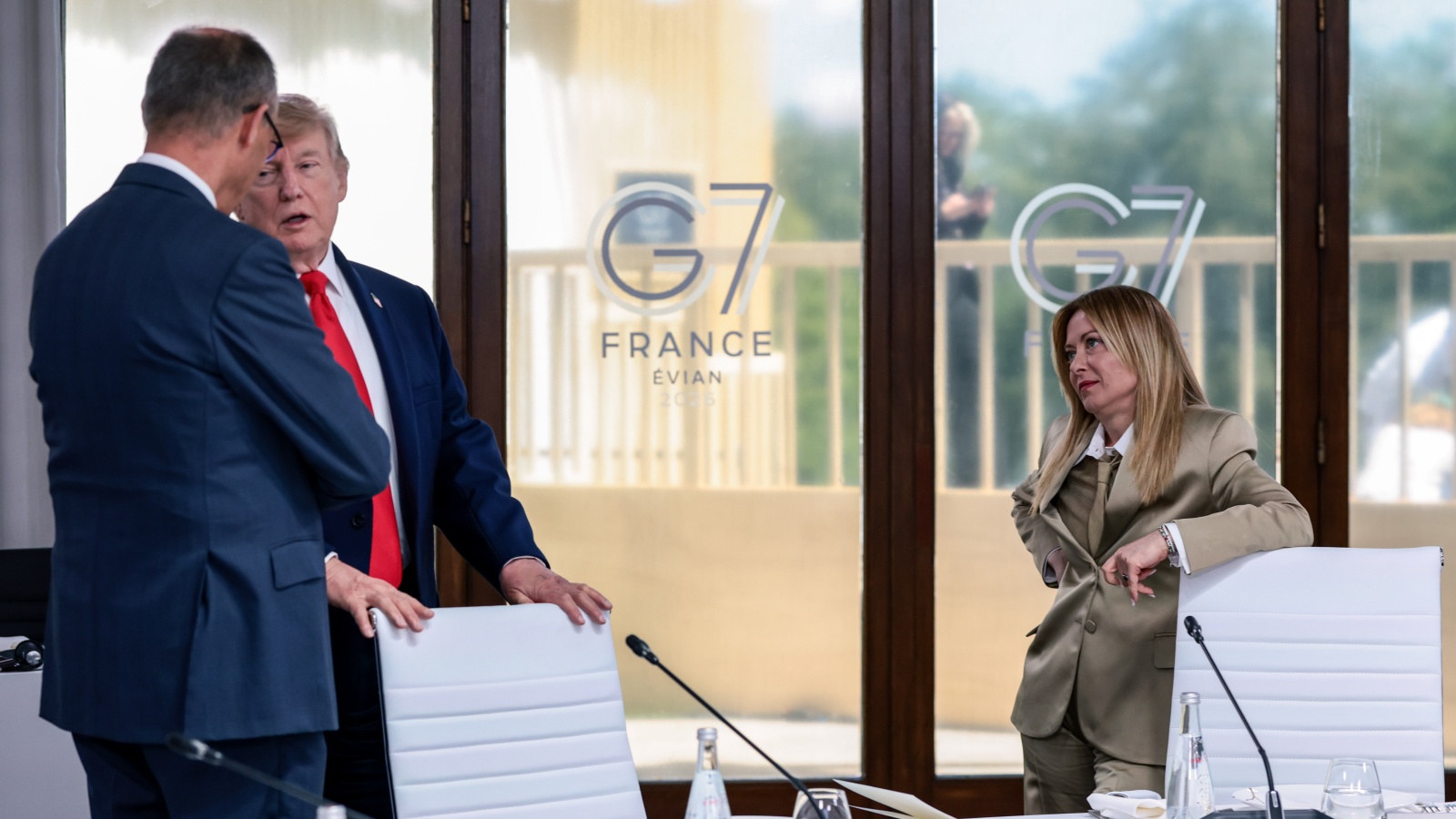
A bizarre diplomatic meltdown erupted after the G7 summit in Evian-les-Bains, France, when Donald Trump claimed Italian Prime Minister Giorgia Meloni "begged" him for a photograph. Meloni fired back, calling the story completely fabricated and declaring that neither she nor Italy would ever beg. This public fracture is not just a petty clash of egos; it exposes a deeper, structural shift in European-American relations. Meloni, once viewed as Trump's primary ideological bridge to Europe, is shifting her strategy because subservience to Washington no longer yields political dividends at home or leverage abroad.
The immediate fallout was swift. Italian Foreign Minister Antonio Tajani abruptly canceled an official trip to the United States, labeling Trump's comments serious and offensive. The dispute transformed a standard post-summit news cycle into a high-stakes geopolitical standoff, forcing Rome to choose between its traditionalatlanticist deference and national pride.
The Anatomy of an Unraveling Alliance
The dispute began when Trump gave a phone interview to the Italian television network La7. Discussing the sidelines of the French summit, Trump asserted that Meloni had pleaded with him for a joint photo opportunity, claiming he only relented out of pity.
Meloni responded within hours via a direct video address on social media. She bypassed the standard diplomatic channels of measured communiqués and spoke directly to the public, expressing astonishment at Trump's behavior toward an established ally. Her most biting criticism targeted Trump's broader foreign policy doctrine, pointing out an apparent double standard where traditional allies face public humiliation while adversaries receive diplomatic indulgence.
This was a calculated political pivot. For the past year, Meloni has faced domestic criticism from both the left and right, with opponents painting her as a mere vassal to Washington's interests. By drawing a hard line against a sitting American president, she effectively dismantled that narrative in a single afternoon.
The Underlying Policy Fractures
Behind the theatrical dispute over a photograph lie profound policy disagreements that have been building for months. The G7 summit in Evian-les-Bains merely brought these tensions to a head.
- The Iran Conflict: The primary source of friction is the ongoing military alignment between the United States and Israel. In April, Trump openly criticized Meloni in an interview with Corriere della Sera for her refusal to commit Italian forces or unreserved diplomatic backing to broader military actions in Iran. Rome, heavily reliant on Mediterranean stability and maintaining delicate energy ties, has consistently favored containment over escalation.
- Trade Tariffs: Washington's aggressive push for broad European tariffs has threatened Italian export sectors, particularly manufacturing and luxury goods. Meloni has resisted these measures, arguing that unilateral trade barriers harm European economies far more than they deter foreign adversaries.
- Defense Spending and Autonomy: While Italy has increased its defense budget toward the NATO target, Meloni has advocated for a more autonomous European security framework rather than absolute reliance on American strategic command.
Domestically Aligning the Ranks
In Italy, the political benefits of Meloni’s defiance became obvious almost immediately. Her firm response triggered an unprecedented display of cross-party solidarity in a notoriously fractured parliament.
Italian President Sergio Mattarella offered immediate private and public support. Even opposition leaders, who routinely lambast Meloni’s domestic economic policies, lined up to defend the office of the Prime Minister. Justice Minister Carlo Nordio invoked the historical gravity of the alliance, referencing the American soldiers buried on Italian soil to illustrate how deeply Trump's casual rhetoric cut into the bilateral relationship.
Political scientists in Rome view this development as an objective win for Meloni’s domestic standing. By framing the dispute around national dignity rather than partisan ideology, she has solidified her position as a leader who prioritizes national sovereignty above international sycophancy.
The Death of the Ideological Bridge
When Trump returned to the White House, Meloni was widely expected to be the key interlocutor between Washington and a skeptical European Union. Her early visits to Mar-a-Lago were characterized by mutual praise and shared right-wing populist rhetoric.
That dynamic is dead. The illusion that shared ideological leanings could override structural national interests has dissolved. Trump’s transactional view of international relations treats foreign leaders as subordinates rather than partners, a reality that European capitals are increasingly forced to confront.
Meloni’s public break demonstrates that Europe’s right-wing leaders are realizing that alignment with Washington's current doctrine requires total submission on trade, energy, and security. For a middle power like Italy, the cost of that submission has finally eclipsed the benefit of a photo opportunity.