German Chancellor Friedrich Merz wants a replay of 1985. Confronted with a massive €360 billion European Union trade deficit with China, Merz stepped up to the microphones after a European Council summit to drop a financial bombshell. He claims the Chinese yuan is undervalued by up to 30%. His grand solution? Coordinated international pressure on Beijing to revalue its currency, explicitly invoking the ghost of the Plaza Accord.
It is a bold rhetorical move. It is also completely unrealistic.
Beijing wasted no time shutting the idea down. Through state media, China made its position perfectly clear. They aren't interested in a 21st-century repeat of western powers dictate-rolling another nation's monetary policy. More importantly, China isn't 1980s Japan. Thinking a currency agreement will magically fix Europe's industrial rot completely misses the mark.
The Flawed Playbook of 1985
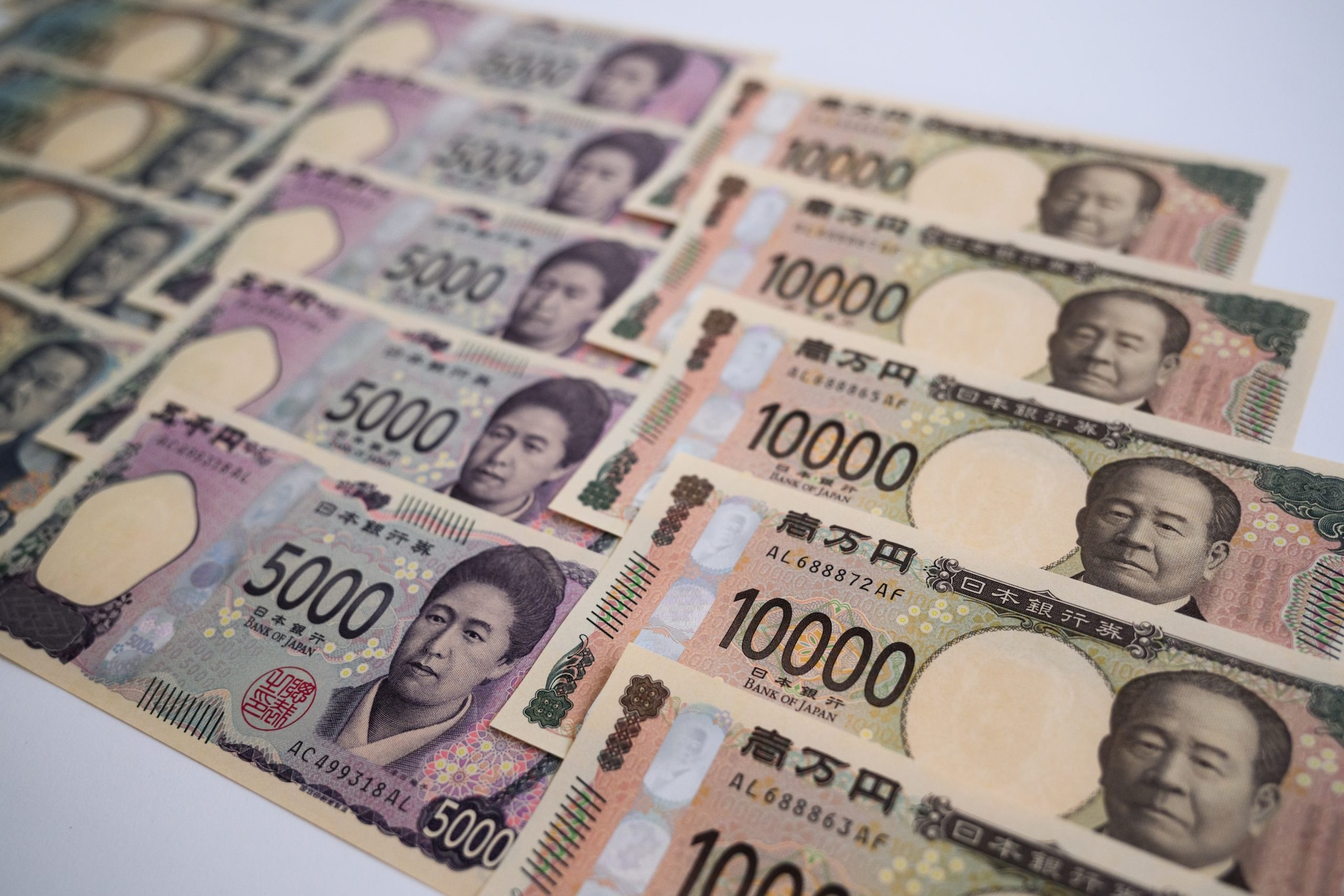
To understand why Merz's plan is dead on arrival, you have to look at what he's actually proposing. The original Plaza Accord was an agreement signed by France, West Germany, Japan, the UK, and the US. The goal was to manipulate the foreign exchange market to depreciate the US dollar against the Japanese yen and the German Deutsche mark.
It worked. The yen appreciated dramatically. But it also triggered a massive asset bubble in Japan, leading directly to their "lost decades" of economic stagnation.
Merz thinks he can use that exact same leverage to fix Europe's current crisis. The numbers hitting his desk are terrifying for a German chancellor. Germany's own bilateral trade deficit with China surged 33% to €90 billion. Worse, German car exports to China have collapsed by roughly 66% from their 2022 peaks.
Faced with a literal deindustrialization crisis, Merz is blaming an "artificially manipulated" currency. He argues that a non-freely convertible yuan is letting China flood western markets with dirt-cheap electric vehicles and machinery.
But his 30% undervaluation figure is wildly aggressive. Even the International Monetary Fund pegs the yuan's undervaluation much lower, at around 16%. Merz is stretching the math because it's easier to blame currency manipulation than to admit Europe has lost its competitive edge.
Why China Won't Play Ball
Let's look at the actual geopolitics here. In 1985, Japan and West Germany were fundamentally dependent on the US for their national security. When Washington demanded currency adjustments, Tokyo and Berlin had to comply. They couldn't say no.
China has absolutely zero incentive to cooperate with a Western-led currency cabal. Its security isn't tied to the West. In fact, Beijing views Western economic policies as active containment.
China possesses a massive domestic market of over 1.4 billion people and serves as the top trading partner for more than 160 countries. They have built an incredibly deep, vertically integrated manufacturing supply chain. If the yuan appreciates by 30%, it won't magically dismantle China's massive structural advantages. It will just make everything more expensive for European consumers.
Beijing also holds serious leverage that Merz seems to be ignoring. China's looming export controls on critical raw materials like gallium are a ticking clock. If Europe pushes too hard on currency confrontation, Beijing can easily strangle the supply chains required for the West's green transition.
The Real Roots of Europe's Industrial Crisis
Blaming the yuan is a convenient political shield for Merz. It deflects from the painful reality that European manufacturing is suffering from self-inflicted wounds and structural failures.
- High Energy Costs: The cutoff of cheap Russian gas hit Germany's industrial core like a sledgehammer. No currency adjustment fixes high electricity bills.
- Sluggish Innovation: While Chinese companies poured billions into battery tech and vertical integration for electric vehicles over the last decade, European legacy automakers built bigger combustion engines.
- Siphoned Subsidies: The US Inflation Reduction Act is actively pulling green investment out of Europe and into America with massive corporate handouts.
Europe's corporate giants are also terrified of Merz's aggressive rhetoric. Leaders at companies like BMW, Mercedes-Benz, and Volkswagen still rely heavily on China for revenue. They know that a tit-for-tat escalation over currency values or blunt tariffs will trigger swift retaliation from Beijing, locking them out of the world's biggest car market entirely.
What Corporate Leaders and Investors Must Do Next
Hoping for a coordinated global intervention to reset trade balances is a fantasy. Corporate leaders and investors need to adapt to a world where the Chinese export engine remains highly competitive and heavily protected by Beijing.
First, stop waiting for political bailouts. European manufacturers must aggressively accelerate their own internal structural reforms. If you can't compete on cost because of energy prices, you have to out-innovate on software, efficiency, and advanced materials.
Second, diversify supply chains immediately. Relying on the EU to successfully implement trade defenses is a massive gamble. The European Commission is deeply divided. While France wants aggressive protectionism, Germany has historically acted as a brake because its automakers fear retaliation. This internal division means any protective instruments debated at the upcoming EU summits will likely lack real enforcement teeth.
Finally, prepare for margin compression. If the euro-to-yuan rate continues to favor Chinese shipments, Western industrial and automotive stocks will face prolonged pressure. Hedging against currency volatility is smart, but rebuilding a resilient, localized supply chain is the only way to survive the second "China shock" without going broke.