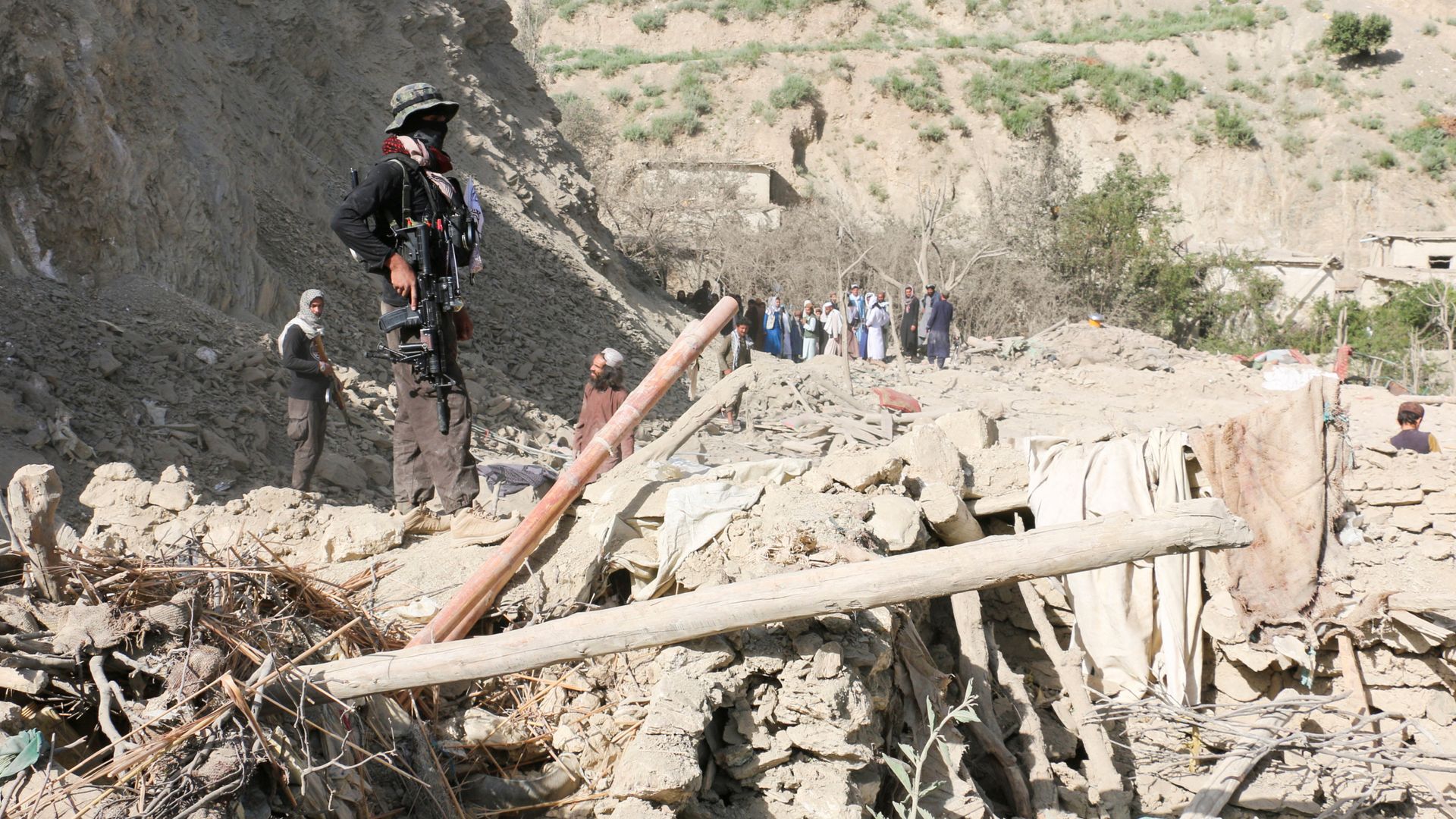
The resort to cross-border kinetic operations signals a fundamental breakdown in a state's asymmetric containment strategy. When the Pakistan Air Force executed coordinated kinetic strikes inside the eastern Afghan provinces of Khost, Kunar, and Paktika, the tactical objective was framed as the disruption of active insurgent networks. The underlying strategic reality, however, is a profound breakdown in deterrence.
This operational escalation directly follows a security breakdown in Pakistan’s northwestern Khyber Pakhtunkhwa province, where an assault by the Tehrik-e-Taliban Pakistan (TTP) killed six Federal Constabulary personnel. By striking within sovereign Afghan territory, Islamabad is attempting to break an asymmetric cycle where its neighbor exploits geographic sanctuaries while evading accountability. This dynamic reveals a structural misalignment of incentives between the two states, rendering conventional diplomatic leverage ineffective.
The Friction Model of Asymmetric Sovereignty
To analyze why the border region remains highly volatile, the conflict must be mapped through a structural framework of asymmetrical security incentives. The friction is driven by three distinct structural variables.
[Pakistan's Security Costs] <--- (Durand Line Friction) ---> [Afghan Taliban's Ideological Bounds]
             │                                                           │
             ▼                                                           ▼
    Kinetic Attrition &                                         Sovereignty Defense &
    Economic Disruptions                                        Insurgent Sanctuary
The Sanctuary Yield
For the Afghan Taliban, the utility of sheltering the TTP outweighs the economic and diplomatic penalties imposed by Pakistan. This calculus is rooted in deep ideological alignments and wartime bonds that survived two decades of conflict against Western forces. Kabul views the TTP not as an external liability, but as an ideological extension of its own governance framework. Consequently, requests from Islamabad to disarm or extradite these fighters conflict directly with the Afghan Taliban's domestic legitimacy.
The Enforcement Gap
The Afghan state lacks either the structural capacity or the political will to enforce an internal monopoly on the use of force. Even if leadership in Kabul intended to restrain cross-border operations, doing so risks fracturing its own internal coalitions. Demobilizing highly capable, ideologically aligned militant factions could drive those fighters into the ranks of more radical groups, such as the Islamic State Khorasan Province (ISKP), destabilizing the Afghan state from within.
The Cost Asymmetry
Pakistan bears a high cost in terms of internal security, losing hundreds of security personnel annually to cross-border raids, while Afghanistan faces minimal direct consequences for permitting these safe havens. This imbalance persists because the Durand Line remains porous and difficult to secure. Islamabad's strategy relies on periodic kinetic strikes to temporarily alter this cost function, attempting to force Kabul to reconsider its calculus by introducing direct military risk to Afghan territory.
Tactical Disparity and the Information Bottleneck
The divergence in operational reporting following these airstrikes illustrates the intense information warfare embedded in cross-border operations. Taliban regime spokesperson Zabihullah Mujahid reported 13 civilian fatalities—specifically highlighting the deaths of 11 children, one woman, and an elderly man—alongside 14 civilian injuries resulting from strikes on residential structures. Conversely, the Pakistani Information Ministry dismissed these assertions as external propaganda, maintaining that the strikes were precise, calibrated, and successfully neutralized 26 armed insurgents while destroying an ammunition cache, a training center, and a command hideout.
This extreme variance in data points highlights a systemic information bottleneck. In remote, contested zones like Khost and Paktika, independent verification is nearly impossible. Third-party actors, including humanitarian organizations on the ground, frequently report mixed casualties, noting that local homes are often situated immediately adjacent to, or co-located within, insurgent encampments.
The tactical reality is that the TTP deliberately embeds its infrastructure within civilian populations. This creates a dual-use target profile. Any kinetic strike intended to degrade insurgent infrastructure inherently carries a high risk of collateral damage, which the host regime then leverages to build domestic consensus and chip away at the attacker's international legitimacy.
The Failure of the Compellence Framework
Islamabad’s security policy operates on a compellence framework: using explicit military coercion to force a political shift in Kabul’s management of border security. This strategy, however, has encountered a structural failure loop.
The first limitation is that kinetic air operations degrade localized infrastructure but fail to erode the human capital or decentralized command structures of an insurgent group. Weapon caches and training camps are easily replaced.
The second limitation is the political backlash within Afghanistan. Far from forcing the Taliban leadership to capitulate, external airstrikes compel the regime to adopt a more aggressive posture to preserve its domestic authority. This dynamic was demonstrated when previous air campaigns triggered direct cross-border artillery exchanges and conventional military skirmishes along the frontier.
┌────────────────────────────────────────────────────────┐
│               Pakistan Kinetic Strike                  │
└───────────────────────────┬────────────────────────────┘
                            │
                            ▼
┌────────────────────────────────────────────────────────┐
│          Afghan Taliban Political Backlash             │
└───────────────────────────┬────────────────────────────┘
                            │
                            ▼
┌────────────────────────────────────────────────────────┐
│     Increased TTP Freedom / Radical Mobilization       │
└───────────────────────────┬────────────────────────────┘
                            │
                            ▼
┌────────────────────────────────────────────────────────┐
│           Surge in Border Security Infiltration        │
└────────────────────────────────────────────────────────┘
Rather than establishing a credible deterrent, these military interventions reinforce the TTP's narrative of defensive jihad against an aggressive state, which accelerates recruitment and radicalization. The strategy yields short-term tactical disruption at the expense of long-term stability, locking both nations into a escalatory cycle where neither side can achieve a decisive advantage.
The Strategic Path Forward
To break this cycle of border violence, Pakistan must pivot away from sporadic, reactive air operations and adopt a institutionalized defensive posture focused on physical containment and economic leverage.
- Transition from Kinetic Retaliation to Hardened Border Containment: Resources allocated to expensive air campaigns should be redirected toward upgrading technical surveillance along the Durand Line. This requires deploying seismic ground sensors, automated drone patrols, and fortified, interconnected border outposts to stop cross-border incursions before they happen, shifting the policy focus from punishment to denial.
- Leverage Economic and Transit Dependencies: Afghanistan remains heavily reliant on Pakistani transit trade routes and ports for international commerce. Islamabad should condition trade access, customs agreements, and regional energy transit rights on verifiable anti-terror metrics. This economic leverage imposes real costs on the Taliban administration without causing the political backfires triggered by airstrikes.
- Coordinate Regional Diplomatic Pressure: Pakistan needs to synchronize its border policies with regional powers, particularly China and Central Asian states, which share an interest in containing regional militancy. By establishing a unified regional diplomatic front that links formal international recognition and investment to the eradication of all cross-border safe havens, the international community can reshape Kabul’s strategic calculus far more effectively than isolated military actions.
The current strategy of reactive kinetic strikes has reached its structural limit. It inflicts high diplomatic and humanitarian costs while failing to neutralize the core threat. True border security along the Durand Line will not be achieved through temporary air superiority, but by building robust internal defenses and applying sustained, coordinated economic and diplomatic pressure.