Morning in the Old City does not arrive with a shout; it seeps in. It filters through ancient limestone, paints the golden dome of the Rock in pale amber, and whispers against the quiet gates where merchants have swept the dust of centuries for generations. To stand in Jerusalem at dawn is to feel the weight of every morning that ever came before. It is a city suspended in amber, yet vibrating with a raw, electric current that refuses to sleep.
For most visitors, the cobblestones are history. For those who live here, they are a chessboard. Discover more on a similar subject: this related article.
High above the narrow alleys, perched on the elevated plateau known to some as the Noble Sanctuary and to others as the Temple Mount, the air changes. It is vast, open, and charged with an invisible tension. This is the epicenter of a delicate architecture, a fragile arrangement known as the status quo. For decades, this unwritten agreement has held the peace, dictating who prays where, who enters when, and how the delicate balance of sacred space is maintained.
Imagine a house built upon a fault line. Everyone inside agrees not to test the floorboards too hard. Further reporting by TIME highlights similar perspectives on the subject.
Lately, the floorboards are groaning.
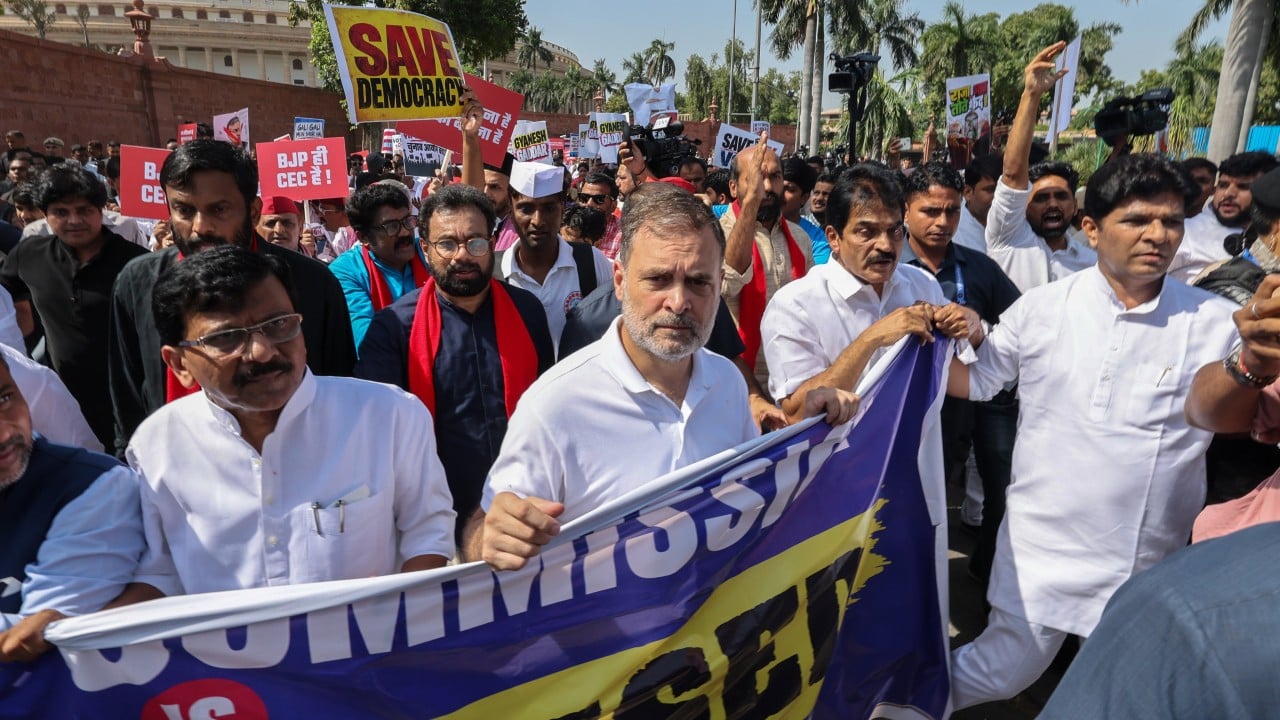
During election seasons, the quiet corners of diplomacy give way to the loud machinery of political survival. When campaigns kick into gear across the country, the holy sites transform. What was once a subtle disagreement over protocol becomes a megaphone. Political candidates, eager to energize their bases, march toward the precipice. Every step onto the plaza carries a dual meaning: a personal expression of faith to some, and a deliberate provocation to others.
Consider the shopkeeper in the Muslim Quarter, whose family has sold spices from the same arched stone nook for eighty years. He does not read the policy briefs in the morning papers. He reads the street. When the police presence triples at the gates, when the metal detectors hum with nervous energy, his sales drop. The tourists vanish. The shutters come down early.
"Peace here is not a treaty," he says, leaning against a burlap sack of dried mint, his voice barely a murmur above the din of passing footsteps. "It is glass. Everyone knows it is glass. But still, people insist on throwing stones."
The mechanics of this friction are rarely about theology alone. They are about visibility. In modern politics, the sacred is often weaponized as a symbol of sovereignty. Every faction wants to claim the high ground, quite literally. When a politician ascends the ramp to the esplanade surrounded by cameras, the act ceases to be purely spiritual. It becomes a broadcast. It sends a ripple through the city that travels outward, echoing in cafes, on social media feeds, and eventually, in the halls of international governance.
Yet, behind the political posturing lies a mundane, stubborn reality. People simply want to live. They want to walk through the Damascus Gate without checking the horizon for trouble. They want to send their children to school without calculating whether today is a day of heightened alert.
The elections will pass. The banners will come down from the billboards. The politicians who shouted from the stages will either take office or fade into the archives of political campaigns past. But the stone will remain. The dust will settle back onto the steps.
The real question whispered in the alleyways of Jerusalem is not who wins the vote. It is whether the glass can hold until the sun rises again.