Fire at Sea: The Anatomy of the Turkish Tour Boat Disaster and Maritime Oversight Failures
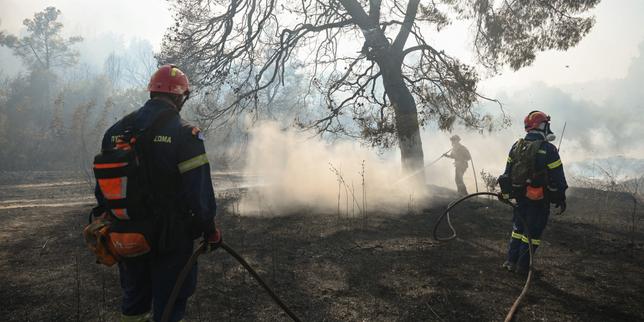
A routine coastal excursion turned into a desperate fight for survival when a tourist boat carrying 115 passengers off the coast of Turkey caught fire, forcing families to leap into the open sea to escape the flames. The incident, which unfolded rapidly off a popular Mediterranean resort corridor, highlights a persistent, dangerous underbelly in regional maritime tourism: unchecked capacity limits, aging vessels, and lax enforcement of basic fire safety protocols. While initial reporting focused entirely on the harrowing rescues and the miraculous avoidance of fatalities, the deeper systemic failures that allowed a floating vessel to transform into an inferno demand rigorous scrutiny.
When the flames erupted, passengers faced a terrifying choice between smoke inhalation, severe burns, or the unpredictable depths of the sea. Eyewitness accounts describe a chaotic scramble for life jackets, many of which were allegedly locked away, outdated, or insufficient for the total headcount on board. This is not an isolated malfunction. It is a symptom of a chronically under-regulated sector where seasonal demand frequently overrides common-sense safety regulations.
The Economics of Mass Coastal Tourism
To understand how a vessel carrying over a hundred people can become a death trap, one must look closely at the commercial pressures driving the coastal excursion industry along the Turkish Riviera. Operators face immense financial incentives to maximize passenger volume during a compressed summer season. Margins are tight, fuel costs fluctuate, and local municipal licenses are cheap compared to the capital expenditure required to maintain a modern, fire-retardant fleet.
Many of these excursion boats are heavily modified traditional wooden gullets or aging fiberglass hulls. Originally designed decades ago for modest passenger numbers, they are frequently retrofitted with extra seating, extended upper decks, and heavy entertainment equipment. Each modification adds weight, alters the vessel's center of gravity, and places an additional load on aging electrical grids.
"Operators routinely treat safety equipment as a compliance checkbox rather than a lifeline. When you pack a wooden hull with dense foam seating, modern audio amplifiers, and diesel tanks running hot in ninety-degree heat, you are walking a very thin line."
Electrical faults in poorly insulated wiring remain one of the leading causes of marine fires. Unlike commercial passenger ferries that undergo rigorous class-society inspections by international maritime organizations, smaller day-trip tour boats often slip through regulatory cracks. They rely on local port authorities whose oversight capacity can be stretched thin by the sheer volume of maritime traffic during peak vacation months.
The Evacuation Bottleneck
The chaos that broke out on the burning boat exposes a critical vulnerability in mass water transport: the catastrophic failure of emergency crowd management under extreme duress. When panic sets in, human behavior shifts rapidly. The bottleneck at narrow stairwells and blocked gangways prevents rapid evacuation.
On vessels carrying over a hundred people, crew training is the single most important variable between a controlled evacuation and total disaster. In many budget operations, seasonal workers receive minimal instruction on fire suppression systems, crowd control, or lifeboat deployment. When the fire broke out, passengers reported that crew members were just as panicked as the tourists, struggling to locate extinguishers or communicate clear instructions over the roar of the flames.
- Lifejacket Accessibility: Stowing flotation devices in locked or hard-to-reach overhead compartments wastes critical seconds.
- Fire Suppression Limitations: Small handheld extinguishers are utterly useless once a fiberglass or wooden superstructure reaches flashover temperatures.
- Communication Gaps: Language barriers between international tourists and local crews severely hamper emergency directions.
The fact that all 115 passengers survived this disaster is a testament to the swift response of nearby private yachts, local fishermen, and coast guard units who converged on the burning hulk. Luck, however, is not a safety strategy. Relying on nearby vessels to rescue passengers from the water after a ship catches fire means that dozens of people are forced to jump into open water, risking hypothermia, propeller strikes, and secondary injuries.
Regulatory Blind Spots in the Mediterranean
The Turkish coast hosts one of the largest recreational fleets in the world. Millions of tourists book daily boat trips from hubs like Bodrum, Antalya, and Marmaris every single year. Yet, the regulatory framework governing vessels under a certain tonnage remains fragmented.
National maritime administrations establish baseline codes, but municipal bodies often issue local commercial permits without cross-referencing safety compliance history. A boat failing a coast guard inspection in one port can sometimes continue operating under a different municipal loophole or a transferred registry.
Furthermore, mandatory safety equipment inspections often occur annually, prior to the start of the tourist season. What happens between May and October is largely invisible to inspectors. Electrical wiring frays, bilge pumps clog with debris and oil residue, and overworked diesel engines suffer catastrophic gasket failures without ever triggering an official audit.
To fix this structural vulnerability, maritime authorities must implement unannounced mid-season safety audits, strictly enforce passenger headcounts using digital ticketing manifests, and mandate automatic fire suppression systems in engine compartments across all commercial vessels regardless of size. Until systemic enforcement replaces the current system of seasonal compliance, every boat trip remains a roll of the dice.