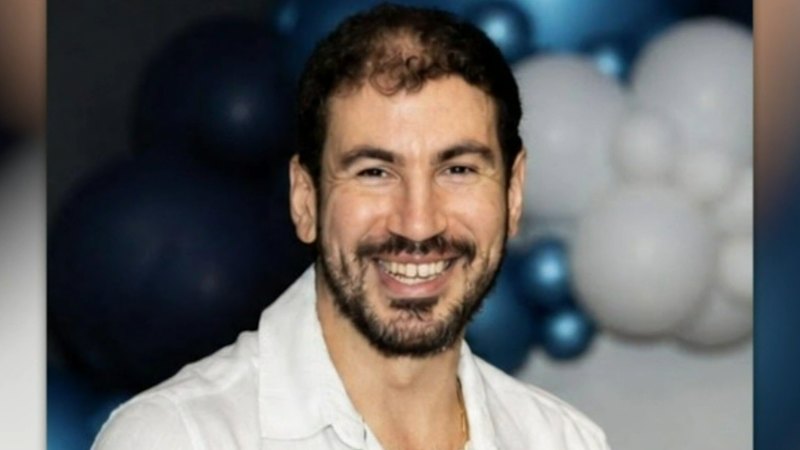
Hope arrived in small fragments when a second Australian was confirmed safe following the catastrophic flash floods that tore through the Nepal-Tibet border.
The Department of Foreign Affairs and Trade verified that the individual made direct contact from Tibet, dropping the official tally of missing Australians from 43 down to 42. It is a microscopic comfort amidst an unfolding humanitarian disaster. Thousands remain unaccounted for across the region, and families back home are enduring an agonizing limbo.
The Reality on the Ground
When walls of ice, rock, and mud obliterated valleys along the border, they did more than sweep away buildings—they erased infrastructure. Roads turned into pulverized dirt tracks. Bridges vanished. Entire communication networks went dark.
For days, relatives of those stranded have haunted rescue centers and hospitals. Some flew to Kathmandu on blind hope, only to find that official lists contained clerical errors or names of local residents rather than their loved ones. When 25-year-old Sydney hiker Cara Severino made contact weeks ago, she still faced a grueling 110-kilometer trek on foot just to reach safety because vehicles couldn't get through.
This second survivor, whose identity remains protected by DFAT due to privacy obligations, managed to communicate from Tibet after days of radio silence. But finding people in this terrain is akin to looking for needles in a shifting haystack of debris.
Why Communication Breaks Down
People unfamiliar with Himalayan geography often wonder why tourists cannot simply check in. The answer is brutal topography.
- Cell Towers Down: Landslides routinely shear off power grids and snap telecommunication towers.
- Remote Trails: Pilgrims heading toward sacred sites like Mount Kailash are often days away from the nearest operational town.
- Cross-Border Bureaucracy: Search efforts require coordination between Nepalese authorities and Chinese officials, slowing down intelligence sharing when every minute counts.
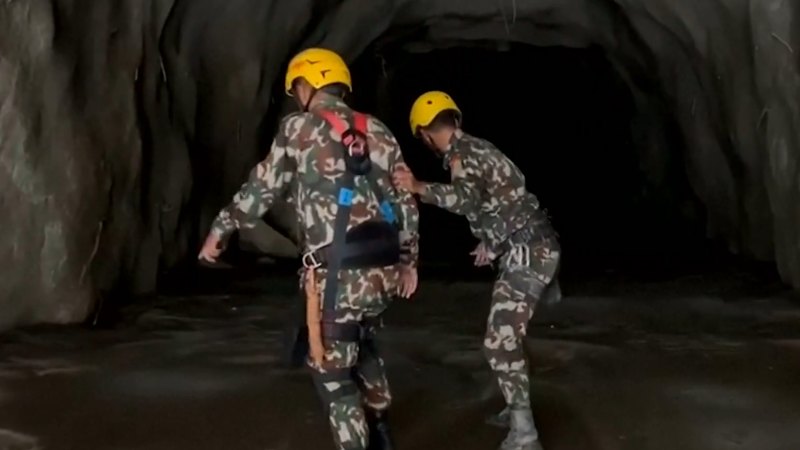
Foreign Affairs Minister Penny Wong warned that the public must stay realistic about rescue operations. As each day passes, the window for finding people alive narrows, even as search crews use DNA testing to identify bodies recovered from the wreckage.
The Human Toll Behind the Statistics
Behind the stark numbers—over 900 dead, thousands missing, and dozens of foreign nationals unaccounted for—are ordinary lives caught in extraordinary violence of nature. Many of the missing Australians were pilgrims taking part in once-in-a-lifetime spiritual journeys.
Families are leaning on community networks, waiting for consular updates, and praying for miracles. While the location of this second survivor proves that some people managed to weather the initial strike in isolated pockets, the sheer scale of destruction means the wait for answers will be agonizingly long.
If you are tracking the situation or trying to support affected families, official updates remain restricted to direct channels through the Department of Foreign Affairs and Trade as rescue teams continue clearing paths through the mud.