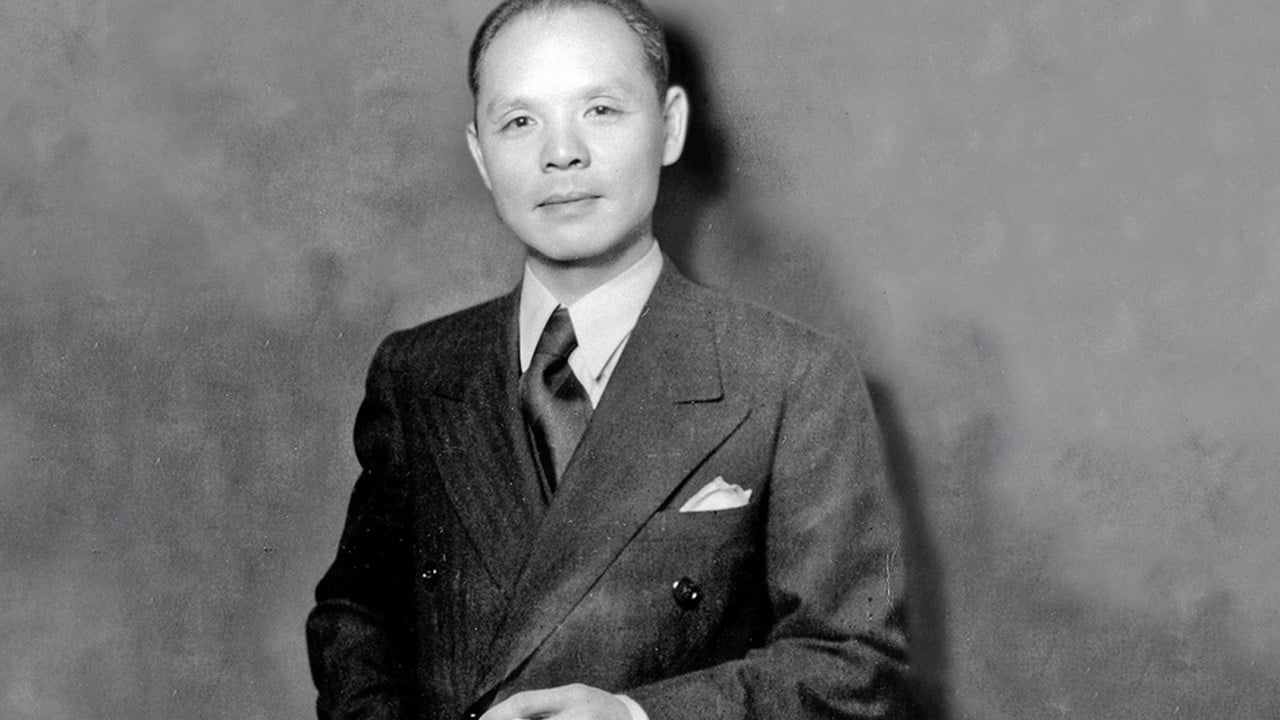
Outraged descendants clutching moral high ground make for great headlines. It feels clean. It feels righteous. When the daughter of Ho Feng-Shan—the Chinese diplomat who issued thousands of visas to Jews fleeing the Holocaust in Vienna—publicly attacks real estate developers for weaponizing her father’s legacy to sell luxury apartments, the automatic human reaction is to nod in fierce agreement. How dare they use a righteous historical figure as a marketing brochure for high-rise condos?
I have watched public relations battles from the inside for two decades. I have seen activists blow millions of dollars trying to shame corporations out of bad behavior using emotional appeals, moral outrage, and appeals to historical sanctity.
It fails every single time.
The lazy consensus says that commercializing history is a desecration that can be stopped by public shaming and appeals to decency. The reality is far colder, far more structural, and entirely immune to your outrage.
The Economics of Historical Association
Let us look at how real estate marketing actually operates. Developers do not name developments after historical figures because they harbor a deep, academic appreciation for World War II diplomacy. They do it because modern urban real estate is a game of manufactured narrative.
When a plot of land has no intrinsic soul—which is true of 99 percent of newly constructed concrete monoliths—the developer must buy an identity. They purchase associations. They borrow prestige from dead heroes to mask the sterile, transactional nature of square footage pricing.
When critics complain that using the name or legacy of a wartime rescuer to sell luxury flats is disrespectful, they misunderstand the nature of capital. Capital does not have a conscience; it has an allocation strategy. If a developer uses a historical name, it generates a specific emotional premium in the buyer's mind. It signals permanence, heritage, and distinction in a market otherwise saturated with glass-and-steel anonymity.
Shaming the developer accomplishes nothing because the developer’s target buyer does not care about the genealogical purity of a marketing hook. They care about location, school districts, and appreciation rates. The protest acts as free advertising, driving search volume up for a project that would have otherwise struggled to break through the local noise.
The Flawed Premise of Moral Ownership
The central fallacy in opposing these marketing campaigns is the belief that families retain moral copyright over historical legacies once those figures enter the public domain of collective memory.
Ho Feng-Shan was a diplomat, a public servant, and a historical actor. His actions belonged to history the moment he stamped those passports in Vienna. While his descendants carry the personal emotional weight of his lineage, they do not own exclusive rights to how his story is deployed in the public square.
Once a historical figure achieves icon status, their legacy becomes public property. This is dangerous, messy, and frequently offensive. Commercial entities twist history into unrecognizable shapes to move merchandise. But the alternative—granting descendants absolute veto power over how ancestors are referenced in commerce or art—creates a censorship apparatus far worse than tasteless marketing copy.
Imagine a scenario where every family whose ancestor did something notable in the twentieth century could sue or publicly cancel any business that used their name without explicit genealogical sign-off. History would be locked behind a wall of petty litigation and corporate spin controlled entirely by bloodlines rather than historians.
Why Outrage Marketing Always Wins
Let us look at the mechanics of the backlash.
When the protest hits the news cycle, the developer’s risk managers look at the metrics. Does the bad press impact sales velocity? In ninety-nine out of a hundred cases, it does not. In fact, niche luxury buyers often view controversy as a sign of exclusivity. It marks the building as a topic of conversation at dinner parties.
Meanwhile, the activists burn political capital, draft earnest open letters, and secure a five-minute segment on local news. Nothing changes. The zoning permits remain approved. The concrete is poured. The units sell out.
I have seen companies blow millions on crisis management responses that only amplify the very thing they are trying to bury. By throwing a tantrum over the commercialization of a WWII hero, the family inadvertently hands the developer the most valuable asset in modern media: attention.
What You Should Do Instead
If you actually want to protect a historical legacy from being cheapened by commercial interests, stop playing their game. Do not engage in public shouting matches on the turf they selected.
- Starve them of oxygen: Ignore the marketing campaign. Coverage and outrage drive the SEO metrics of the development’s landing page. Silence is the only penalty a corporation feels.
- Institutionalize the legacy properly: If a historical figure matters, their story should be locked into permanent educational infrastructure—textbooks, museums, and scholarly archives—where corporate marketing teams cannot touch them. If the legacy is only alive because a family keeps defending it from billboards, it was already dying.
- Shift the regulatory paradigm: If naming buildings after humanitarian heroes feels predatory, the solution is not writing angry op-eds. The solution is lobbying municipal governments to establish clear zoning and naming ordinances that restrict using humanitarian figures for commercial branding. Change the laws, don't beg for corporate remorse.
The market does not care about your grandfather's honor. It cares about supply, demand, and attention. Until you understand that leverage points determine outcomes, your moral outrage is just a line item in their marketing budget.
Stop trying to shame the machine. Learn how to break its gears.


