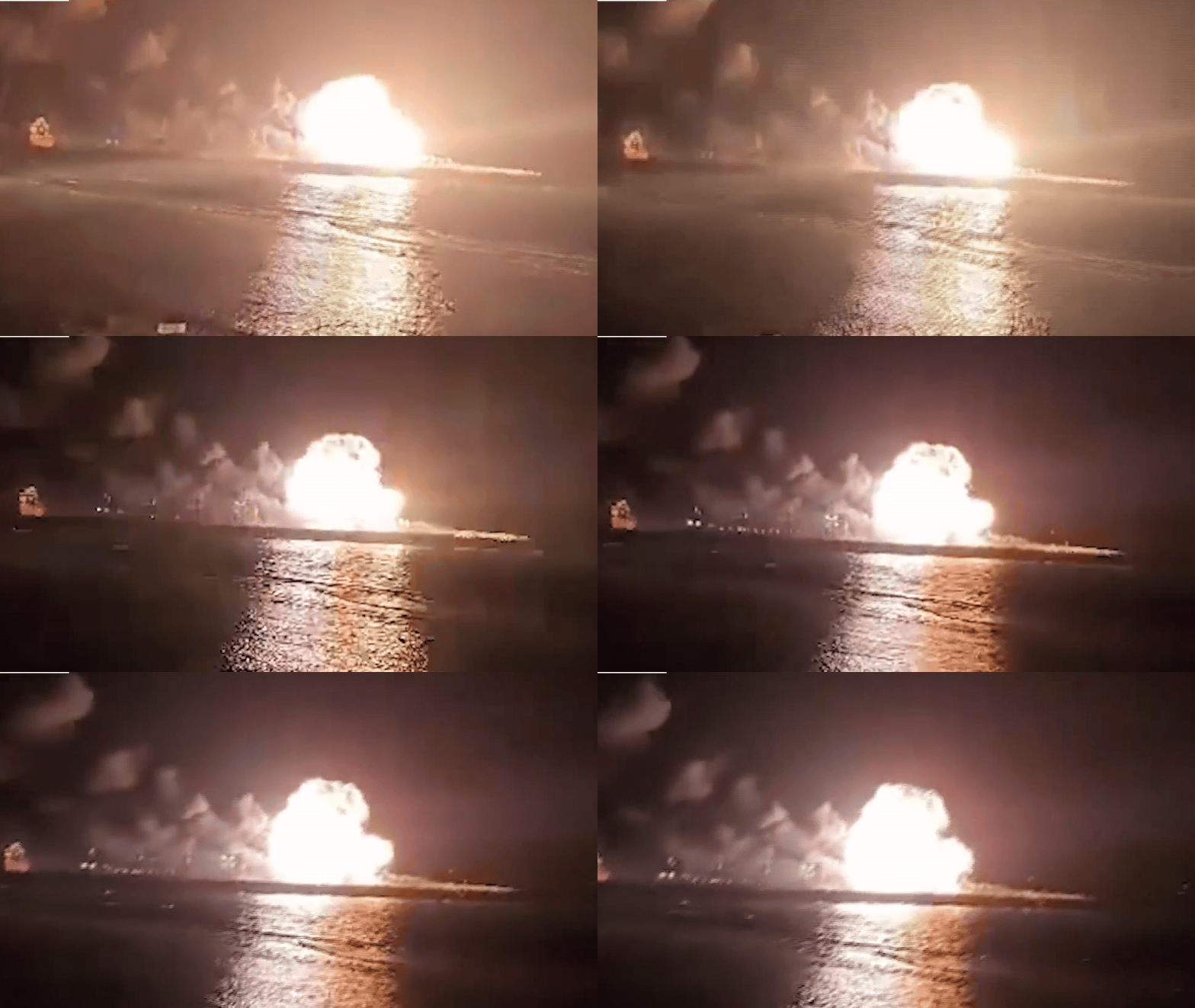
Another boat went down in Nigeria while carrying passengers to a funeral. Dozens of people drowned. You've probably read a headline almost identical to that one before, and honestly, that's the real tragedy here.
When a passenger vessel capsizes on a Nigerian river on its way to a burial or a local market, news outlets treat it like a freak accident. It isn't. These disasters follow a predictable, preventable pattern rooted in broken infrastructure, ignored safety rules, and zero enforcement on rural waterways.
If you're looking for the quick breakdown of what went wrong in this specific type of tragedy—and why it keeps repeating across states like Niger, Kwara, Kebbi, and Lagos—the root causes come down to overloaded wooden boats, nighttime travel without navigation lights, missing life jackets, and seasonal river surges. Let's look at what actually happens on the water when these trips turn fatal.
What Actually Happens When a Funeral Boat Capsizes
Funerals in rural Nigeria aren't small, quiet affairs. Entire extended families and neighboring villages travel together to pay their respects, often moving across rivers because road networks are either washed out, non-existent, or plagued by highway kidnapping.
People pack onto locally built wooden ferries—often called "flying boats" or large motorized canoes—carrying not just passengers, but motorcycles, bags of grain, livestock, and ceremonial supplies. Boat operators get paid per head and per load. Saying "no" to ten extra mourners means leaving cash on the dock.
So the boat leaves the shore sitting dangerously low in the water. The freeboard—the distance between the waterline and the upper edge of the hull—shrinks to just a few inches. One sharp turn, one submerged tree stump, or one wake from a passing vessel sends river water pouring over the gunwale.
Within seconds, panic sets in. Passengers rush to the opposite side of the boat to escape the water, shifting the center of gravity instantly. The vessel flips. Most people on board don't know how to swim, and heavy traditional clothing drags them down fast.
Why Rural Communities Rely on Dangerous River Crossings
You might wonder why anyone gets on an obviously overloaded wooden boat in the first place. The answer is simple. They don't have a choice.
Across Nigeria's riverine states—particularly along the Niger and Benue rivers—ferries aren't recreational. They're the backbone of daily survival.
- Collapsed and unpaved roads: During the rainy season, dirt roads connecting agricultural communities turn into impassable mud traps. A 30-minute boat ride replaces a four-hour detour over cratered tarmac.
- Highway insecurity: In several northern and central states, traveling by road carries the constant threat of banditry and kidnapping for ransom. Families legitimately view the river as the safer gamble.
- Zero alternative transit: Government-subsidized ferries rarely serve remote villages. Private operators fill the vacuum with aging, poorly maintained wooden hulls powered by patched-up outboard engines.
I've watched how rural transit economies operate in West Africa, and the math is brutal. An operator spends most of their daily revenue on fuel and engine repairs. Buying thirty certified life jackets costs more than a week's profit, so they don't buy them. Even when state governments occasionally donate life jackets during media photo-ops, those vests often end up locked in a local chairman's office or get sold off within months.
The Structural Failures Nobody Wants to Fix
Every time dozens of people drown, state governors issue condolences. Emergency agencies deploy divers to recover bodies. Officials promise "strict enforcement" of waterway regulations. Then two months pass, and nothing changes.
Missing Enforcement From NIWA
The National Inland Waterways Authority (NIWA) is legally responsible for regulating river transport, certifying vessels, and enforcing passenger limits. On paper, the rules are clear. Boats must carry life jackets for every passenger, operators must be licensed, and night navigation is strictly banned.
In reality, NIWA's presence barely exists outside major commercial hubs like Lagos and Port Harcourt. On remote stretches of the Niger River or rural tributaries in states like Kebbi, Jigawa, and Sokoto, there are no dock inspectors checking manifests. Nobody counts heads before a boat pushes off from a muddy riverbank.
The Night Travel Trap
Many fatal capsizes happen after dusk. Funeral ceremonies run late, or market traders stay until the last buyer leaves, forcing return trips in pitch darkness.
River channels shift constantly. Heavy rains wash massive tree trunks and debris downstream, creating invisible underwater hazards. Without radar, spotlights, or reflective buoys marking safe channels, a helmsman navigating by memory in the dark is flying blind. Hitting a submerged log at speed rips open wooden planking instantly.
Seasonal Flooding and Dam Releases
Between July and October, water levels across Nigeria's major river basins surge dramatically. Heavy rainfall combines with water releases from upstream hydroelectric dams—including Kainji, Jebba, and Shiroro—turning calm crossings into fast-moving, turbulent currents.
Operators used to dry-season conditions often misjudge the speed of the floodwater. A boat engine that handles a gentle current easily can stall or lose steering control when hit broadside by a heavy surge.
Common Misconceptions About Nigerian Boat Accidents
When these stories hit international news feeds, outside observers usually jump to the wrong conclusions. Clearing up those myths matters if you want to understand why solutions keep failing.
Myth 1: Passengers refuse to wear life jackets out of superstition.
You'll hear this claim repeated endlessly by officials trying to shift blame onto victims. While some rural travelers complain that cheap foam vests are hot, dirty, or bulky, the primary reason people drown without life jackets is simple. There weren't any on the boat to begin with. When operators actually provide clean, accessible vests and refuse to launch until they're buckled, compliance shoots up immediately.
Myth 2: Modern fiberglass boats would solve the crisis.
Fiberglass hulls are lighter and more durable than planked wood, sure. But a fiberglass boat overloaded to twice its weight capacity in pitch darkness will capsize just as fast as a wooden canoe. Hull material isn't the core problem. Load discipline and night-travel bans are.
Myth 3: These accidents only happen during peak floods.
Flooding makes rescue harder and currents deadlier, yet major capsizes occur year-round. Overloading during major social gatherings—weddings, religious festivals, and funerals—causes boats to sink even in calm, dry-season waters.
How Maritime Safety Actually Improves on Rural Waterways
Fixing this doesn't require billion-dollar megaprojects or imported European ferry fleets. Countries with massive inland river systems, like Bangladesh and parts of Indonesia, have cut rural ferry fatalities using low-cost, localized interventions that actually work on the ground.
First, enforcement has to be decentralized to the dock level. NIWA cannot police thousands of rural jetties from state capitals. Empowering local community jetty committees—backed by real legal authority and paid through tiny, transparent per-trip levies—puts eyes on the water where boats actually launch. If a local dock master loses their livelihood when an overloaded boat leaves their pier, overloading stops overnight.
Second, night travel bans need teeth. Impounding the outboard engine of any operator caught running passengers after sunset hits them right in their wallet. You don't need to confiscate the whole boat. Taking the engine for thirty days stops illegal night runs immediately.
Third, life jacket distribution has to bypass politicians and go straight to registered boat unions under a strict tracking system. Every licensed vessel should have a painted hull number matched to a specific set of high-buoyancy vests, inspected monthly at the landing site.
Until state authorities and federal regulators stop treating river transport as an afterthought to road infrastructure, rural families traveling for funerals, weddings, and market days will keep paying the price. The water isn't going anywhere, and neither is the need to cross it.