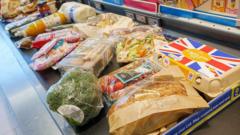
You notice it at the register first. A head of lettuce costs what a steak used to. Your cart looks half as full, but your total receipt keeps climbing. Most people blame inflation, corporate greed, or supply chain hiccups. They miss the real culprit entirely. Extreme weather is quietly rewriting the economics of your weekly grocery trip.
When thermometers break records, crops die in the field. Livestock stops gaining weight. Supply chains buckle under asphalt-melting temperatures. If you think expensive food is a temporary blip, you're looking at the wrong data. Heatwaves are the new baseline, and your wallet is paying the price.
The Field Level Reality of Scorching Temperatures
Plants have thermal limits. Once ambient temperatures cross specific thresholds during pollination, yields drop off a cliff. Corn drops pollen viability. Tomatoes abort blossoms. Dairy cows experience severe heat stress, which tanks milk production by twenty percent or more during peak summer months.
I've watched small-scale farmers lose entire tomato harvests in a single afternoon of hundred-degree winds. It isn't just about water shortages, though that hurts. High night temperatures prevent plants from recovering. They burn through their energy reserves instead of storing sugars.
When you scale that local farm tragedy across entire agricultural powerhouses like California's Central Valley or the European breadbasket, production numbers plummet. Basic economics takes over. Supply drops while demand stays flat, and prices spike.
Why Supermarket Shelves Stay Expensive
You might wonder why prices don't drop back down when autumn arrives. Modern agriculture doesn't work on seasonal recovery anymore. Consecutive years of extreme weather drain global reserves. Grain stockpiles shrink. Olive oil prices hit record highs across Europe because severe droughts and heat ruined groves in Spain and Italy, and those trees take years to mature again.
Transportation costs compound the damage. Refrigerated trucks burn more fuel when running cooling units constantly in extreme heat. Pavement buckles under heavy freight loads during heat domes. Insurance rates for agricultural logistics companies climb. Every single friction point along the journey from farm to checkout lane adds pennies, then dollars, to your bill.
What Stores Aren't Telling You About Shrinkflation
Food manufacturers use sneaky tactics to hide rising production costs. They keep the package size identical while reducing the actual product inside. That box of cereal feels lighter because it contains ten percent less product. The ice cream carton now holds a few ounces less liquid, yet the price tag creeps upward.
Grocery stores operate on razor-thin net margins, usually around one to two percent. They absorb cost increases only until they can't. Then they pass every single cent of agricultural loss directly to you. When crop yields drop globally, bidding wars start for remaining raw ingredients. Large conglomerates outbid smaller brands for wheat, sugar, and produce. You end up with fewer choices and higher prices on the shelves.
The Regional Disconnect
Not every grocery aisle feels the pinch equally. Localized heatwaves create localized shortages. If a heat dome parks itself over the Midwest, corn and soybean futures jump overnight. That trickles down to breakfast cereals, feedlots, beef prices, and processed foods within weeks.
Imported goods bear even heavier scars. Coffee and cocoa depend on hyper-specific equatorial microclimates. Rising temperatures force farmers to move crops to higher, cooler altitudes, assuming they have the land. Yields shrink, and your morning coffee habit turns into a luxury expense.
Practical Steps to Protect Your Food Budget Right Now
You can't control global weather patterns. You can change how you buy groceries to survive the price spikes.
Stop buying out-of-season produce. If you crave berries in January or fresh tomatoes during a drought cycle, you are paying a massive climate premium. Shift your meal planning toward resilient, shelf-stable staples like lentils, dried beans, grains, and root vegetables that withstand transit and storage better.
Buy frozen fruits and vegetables. They are usually flash-frozen right at the peak of harvest maturity, meaning they often retain more nutrients than fresh produce that spent a week in a hot shipping container. They also cost significantly less per ounce.
Audit your waste immediately. Throwing away food right now is burning actual cash. Plan meals tightly, freeze leftovers aggressively, and use vegetable scraps for stocks.
Weather patterns are changing faster than farming can adapt. Your grocery bill reflects that brutal reality every single time you check out. Adapt your buying habits before the market forces your hand.