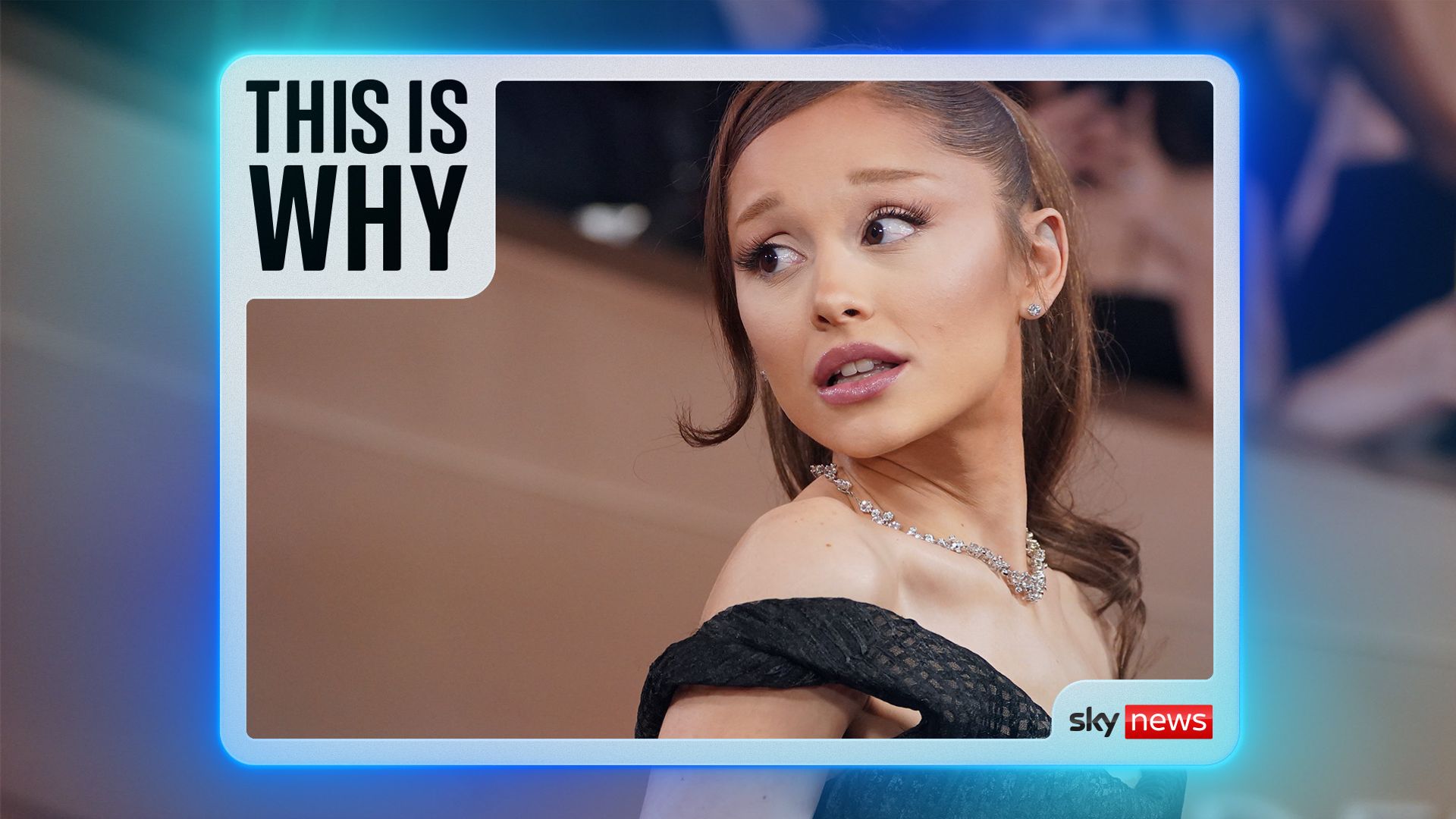
We need to stop talking about Ariana Grande like she belongs to us.
Every single move she makes triggers a massive digital feedback loop. From her high-pitched vocal choices to her relationship history, the public treats her life as an interactive reality show. It is relentless. It is tiring. Worst of all, it completely misses the point of what makes her a generational pop star.
People love to project their anxieties onto female celebrities. Ariana becomes a canvas for whatever narrative the internet wants to paint that week. When she changes her aesthetic, millions rush to Twitter to analyze it like a legal brief. When her personal life hits the headlines, internet sleuths act like betrayed best friends rather than complete strangers.
The Trap of Perpetual Public Ownership
Pop culture commentary used to be fun. Now it feels like a tribunal.
Look at how the media handles her career transitions. When she dropped Thank U, Next in 2019, critics praised her vulnerability. They loved the speed of her output. Yet, that same speed soon turned into a weapon against her. Commentators argued she was overexposed, even though streaming data proved audiences kept pressing play. You cannot win. If an artist stays quiet, people complain they are irrelevant. If they drop hits, people complain they are everywhere.
The discourse around her vocal performances follows the exact same exhausting pattern. People argue endlessly about whether she enunciates enough or if her speaking voice is an act. Sound engineers and casual listeners alike turn into vocal coaches online. Meanwhile, she has spent over a decade dominating the charts with a four-octave vocal range and undeniable studio execution.
We scrutinize the details while ignoring the music itself.
Why the Internet Loves a Villain Story
Internet culture demands perfection wrapped in humility. The moment a star steps outside that tiny box, the knives come out.
When details about her personal life surfaced a couple of years ago, the internet reacted with a level of moral outrage usually reserved for actual criminals. Comment sections turned into virtual town squares. People demanded accountability for choices that honestly had zero impact on their daily lives.
This happens because modern fandom mixes parasocial attachment with moral superiority. Fans feel entitled to an artist's personal blueprint. If the reality does not match their fantasy, they feel personally scammed.
Let us be completely honest with ourselves for a second. None of us know these people. We see tightly edited snapshots, paparazzi shots, and carefully curated album rollouts. Building an entire moral framework around a celebrity's dating choices is a massive waste of energy.
Moving Past the Noise
If you want to have a real conversation about Ariana Grande, focus on the craft. Look at how she helped reshape modern R&B and pop production.
She works with elite producers and writers to build tracks that actually stand the test of time. Songs like "Dangerous Woman" or "Into You" are masterclasses in pop arrangement. She co-writes her own music, steers her creative direction, and handles high-pressure transitions from television acting to global pop domination with scary efficiency.
Her pivot to musical theater with the film adaptation of Wicked should have been met with pure excitement. Instead, it triggered another round of bizarre internet commentary about her physical appearance and personal choices. It is pathetic. We are watching one of the defining vocalists of our era, and half the room is too busy complaining about her hair color to notice.
Step back from the rumor mills. Delete the notification alerts for gossip blogs. Listen to the records without the baggage of Twitter threads clouding your judgment.
Pop culture is supposed to be entertaining. When it stops being fun and starts feeling like an unhinged moral crusade, walk away. Stop feeding the machine that turns talented artists into digital punching bags. Put the phone down, turn the volume up, and let the music speak for itself.