The professional commentariat is having a collective meltdown over the White House timeline for generic pharmaceuticals.
The lazy consensus across financial media is predictable: a phased penalty scaling to a two hundred percent tax on foreign-made compounds will trigger a catastrophic price explosion, hollow out pharmacy shelves, and punish the uninsured. Pompous policy wonks from think tanks love to trot out the same stale talking point, arguing that complex global supply chains cannot simply be picked up, dropped into Ohio, and expected to run smoothly.
They are missing the entire plot.
I have watched corporate boards panic, calculate compliance costs, and completely misread government signals for decades. The error lies in treating a coercive geopolitical crowbar as if it were a routine corporate tax adjustment. The impending 2028 and 2029 tariff escalations are not revenue measures. They are forced realignments designed to break a dangerous national security dependency before a crisis forces our hand.
The Core Fallacy of Margin Math
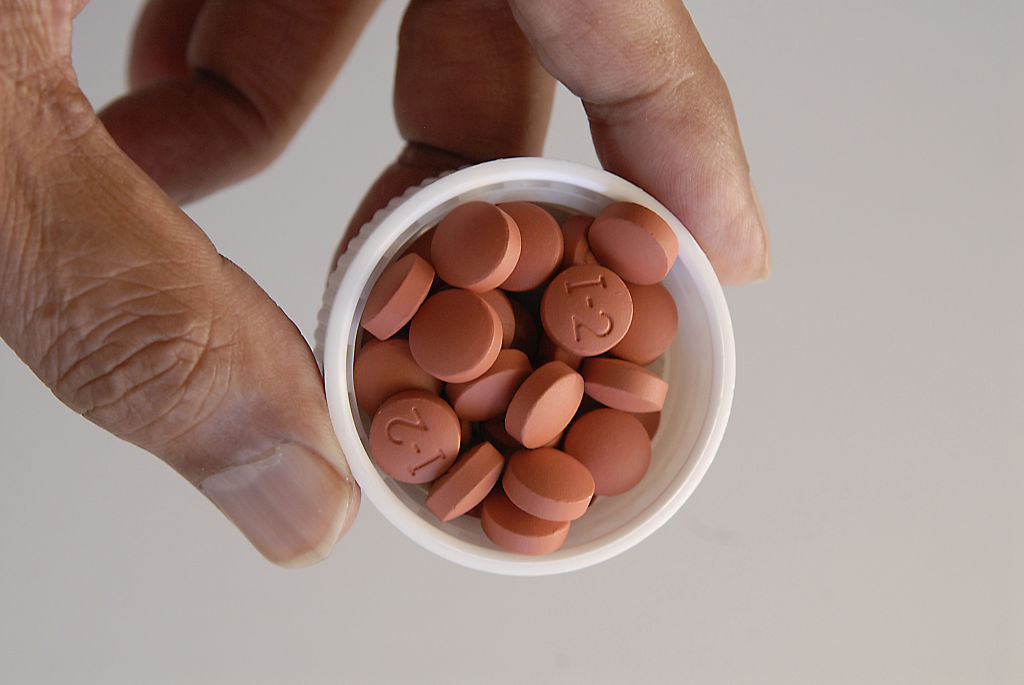
Critics love to point out that generic drugs operate on razor-thin margins. They look at a bottle of mass-produced atorvastatin or metformin costing pennies and scream that doubling import duties will instantly bankrupt distributors or force consumers to pay triple at the counter.
This assumes the status quo survives contact with the mandate. It will not.
When a nation that consumes ninety percent of its prescriptions via generic volume outsources the active pharmaceutical ingredients for those exact medications to adversarial or unstable offshore nodes, it is not practicing free market economics. It is engaging in institutional suicide.
Imagine a scenario where a localized geopolitical flashpoint halts exports from key overseas API hubs for just six weeks. Price ceases to be the primary metric of concern. Survival is. The traditional economic models warning about consumer price spikes completely ignore the baseline cost of total supply chain collapse.
The Coercion Paradox
The mainstream critique insists that companies will simply refuse to build domestic plants because the upfront capital expenditure is too high compared to importing cheap chemistry from abroad.
This ignores how modern industrial policy actually functions. Major pharmaceutical players do not build domestic infrastructure because standard market incentives favor the lowest bidder. But when faced with an absolute barrier to entry into the world's most lucrative healthcare market, the math shifts overnight.
Look at what happened when the administration previously floated heavy levies on branded drugmakers. Did the sky fall? No. Global giants like Eli Lilly, Novartis, and Roche scrambled to announce hundreds of billions in domestic manufacturing commitments. Capital flows where barriers dictate. The threat of a two hundred percent tariff acts as a non-negotiable tax on inertia. It forces corporate boards to realize that building automated, high-efficiency synthesis plants inside domestic borders is suddenly cheaper than paying the penalty of exclusion.
Automation Changes Everything
The tired objection that American labor costs make domestic generic production impossible belongs in the last century. We are not deploying armies of workers with test tubes in high-cost cleanrooms.
Modern chemical synthesis and formulation facilities rely heavily on continuous manufacturing, advanced robotics, and AI-driven quality control. Operating a smart facility in the American Midwest requires a fraction of the human headcount traditional plants demanded twenty years ago. The variable cost of labor shrinks into near-irrelevance when automated lines run twenty-four hours a day.
By giving manufacturers a multi-year runway, the policy provides the precise window needed to engineer these automated domestic nodes. It forces the industry to modernize rather than remaining addicted to cheap foreign labor pools that leave the healthcare grid vulnerable to the next global disruption.
The Uncomfortable Truth About Cheap Medicine
Let us address the raw truth nobody in the policy establishment wants to admit: true rock-bottom generic pricing has been subsidized by systemic risk. We have traded long-term national security for short-term savings at the pharmacy checkout aisle.
Could there be friction during the transition? Absolutely. Structural overhauls carry friction. Pretending that a massive economic restructuring can happen without a single bump is the hallmark of naive spreadsheet forecasting. But the alternative—continuing to source the foundational building blocks of American medicine from thousands of miles away—is an unacceptable gamble.
Stop analyzing this through the lens of static twentieth-century trade theory. This is an aggressive industrial mobilization disguised as a tariff schedule.
Build the plants or lock yourself out of the market. The choice is clear.
This video provides additional context on how international markets and major trading partners are responding to the implementation of these sweeping pharmaceutical tariff proposals.