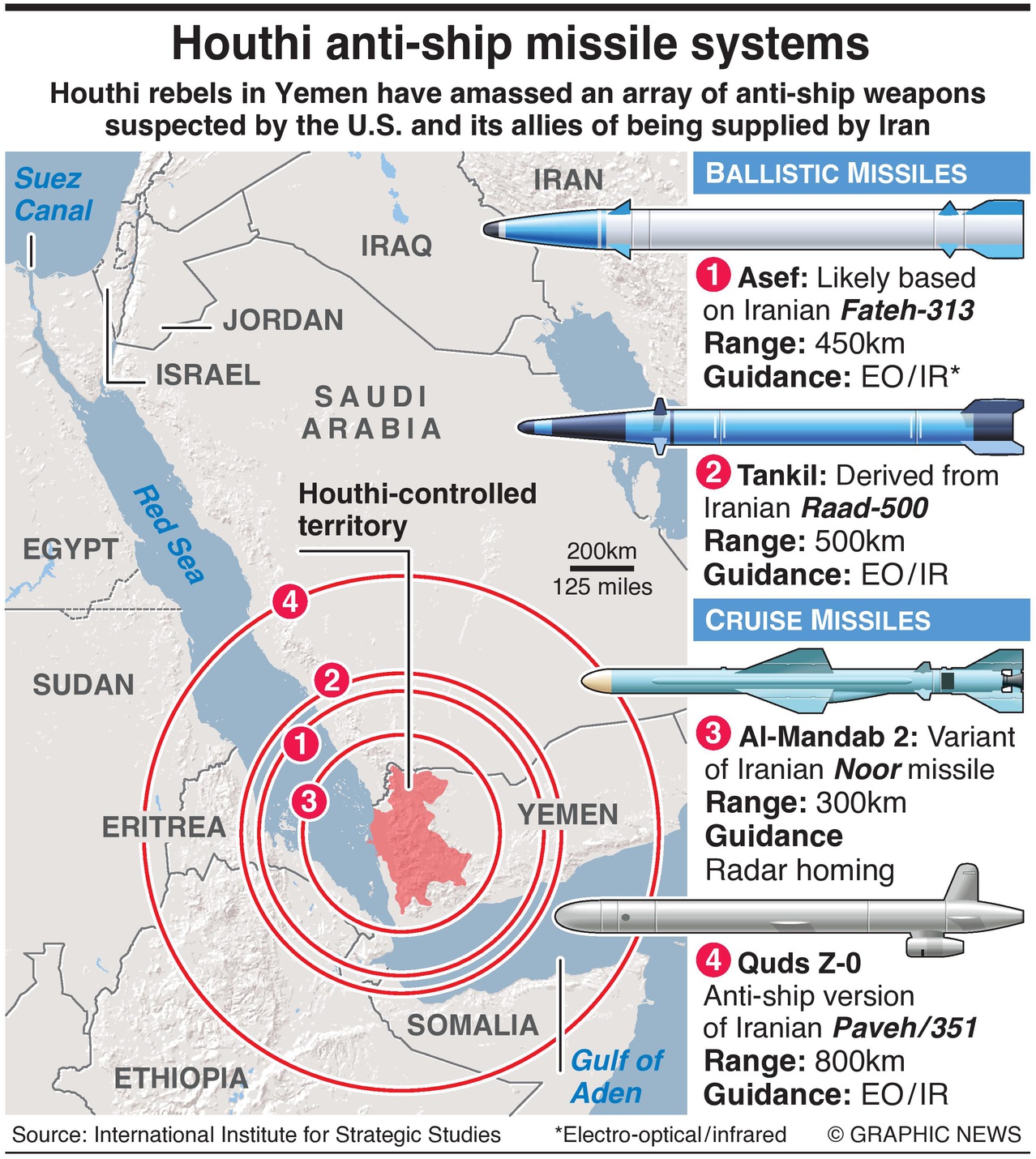
Most commentary about Yemen's Houthi movement focuses entirely on military hardware, missile launches, and Red Sea shipping disruptions. That misses the bigger picture entirely. If you want to understand how the group sustains its operations year after year, you have to look at the money. We aren't talking about a ragtag militia surviving on pocket change. We are looking at a multi-billion-dollar war economy built on taxation, smuggled fuel, institutional restructuring, and international financial evasion.
How the Financial Machine Actually Works
When the de facto authorities in Sanaa tightened their grip over commercial activity, many observers misread it as standard bureaucratic red tape. It was anything but that. Research highlights how authorities revoked thousands of commercial agency licenses, systematically redirecting trade and business registrations toward networks aligned directly with the movement.
This corporate reshaping guarantees steady revenue streams that will survive long past any immediate military standoff. Money flows through a combination of internal levies and external pipelines.
- Domestic Taxation and Levies: Businesses operating in areas under Houthi control face a relentless layers of customs duties, transport tariffs, and direct contributions extracted for the war effort.
- The Fuel Trade: Illicit oil trading and petroleum distribution generate immense capital. US Treasury reports indicate that illicit energy sales bring in billions annually, heavily supported by external channels.
- Hawala Networks and Crypto: Standard international banking is largely blocked by sanctions, so financial intermediaries, regional exchange houses, and even digital assets fill the gap to move funds across borders.
Why Traditional Sanctions Keep Missing the Mark
For years, international bodies have relied on standard asset freezes and maritime interdictions. These measures treat the symptoms while ignoring the structural roots. Because the financial architecture relies heavily on front companies, regional shipping proxies, and decentralized networks reaching into neighboring states, freezing a single bank account in Sanaa or sanctioning one exchange house causes only a temporary inconvenience.
The economic machinery adapts too quickly. When one conduit faces scrutiny, operators simply shift transactions to new front entities registered across friendly or lax jurisdictions. Without aggressive, coordinated international pressure targeting the actual supply chains of fuel and illicit imports, financial evasion remains profitable.
The Cost Borne by Civilians
While leaders engineer complex commercial monopolies and secure steady funding for military hardware, the civilian population bears the true cost. Public services have deteriorated, local currencies face severe pressure, and private enterprises find themselves squeezed out unless they comply with strict political alignment.
Any serious strategy aimed at stabilizing the region must shift focus. Military deterrence alone fails to change equations on the ground. Until international policymakers dismantle the financial networks, customs manipulation schemes, and illicit trade corridors sustaining this war economy, the conflict will retain the economic fuel it needs to keep burning.