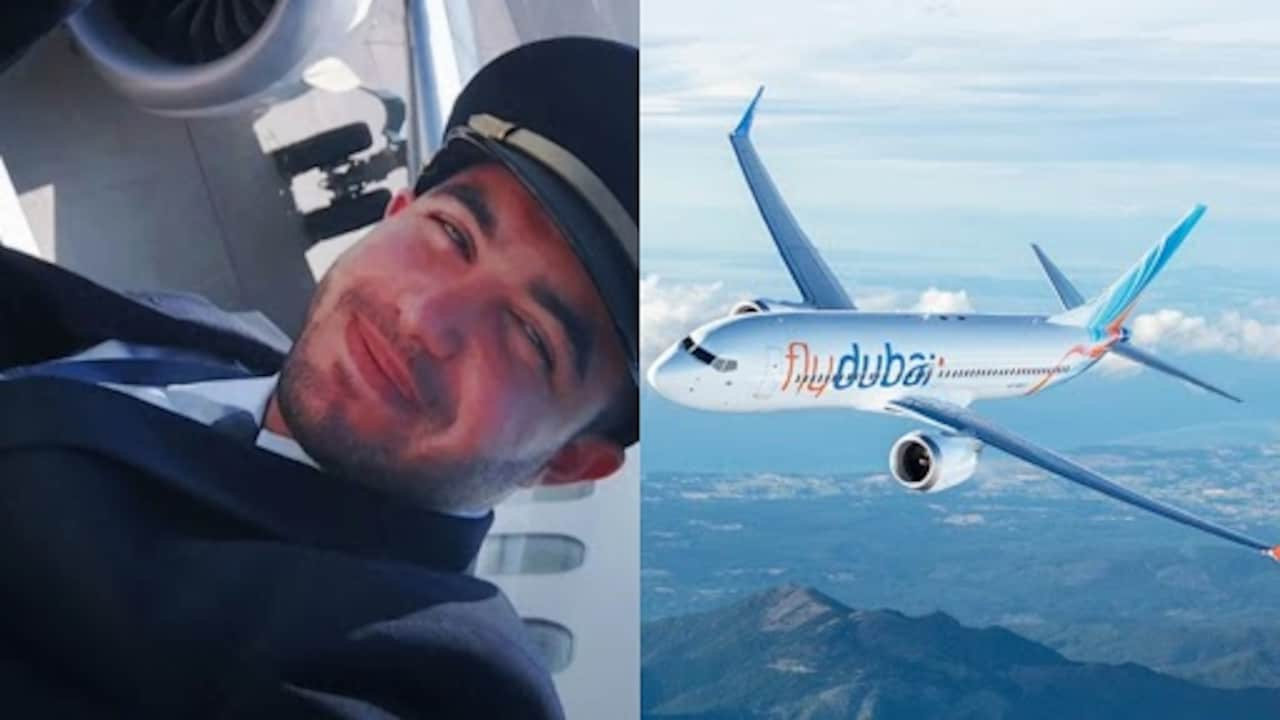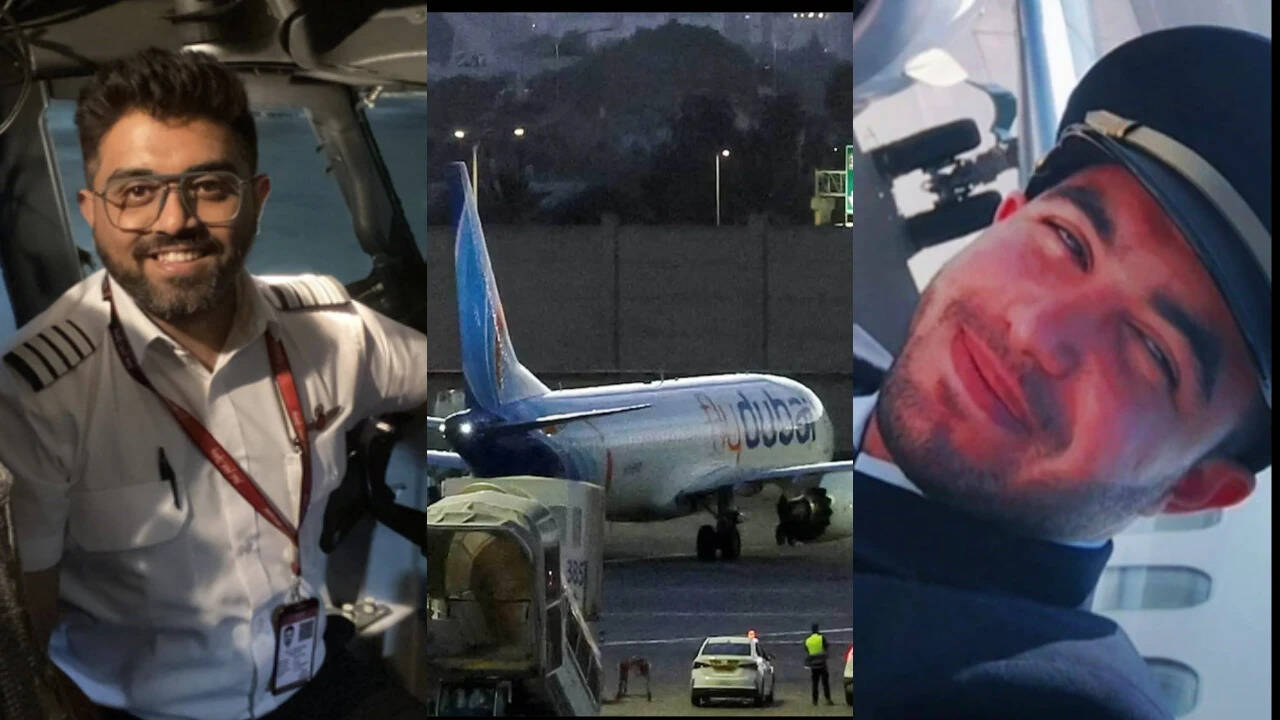
The internet loves a neat narrative. Feed the media an incident involving an airline flying out of Dubai, a tangle of six nationalities, and a hint of cross-border friction, and watch the commentariat lose its collective mind. Headlines immediately churn out terms like geopolitical crisis, systemic failure, and terror networks.
It is lazy, breathless reporting. And it misses the entire reality of modern aviation logistics.
I spent a decade navigating the bureaucratic labyrinths of Middle Eastern aviation
The Media Is Lying About Flydubai And The Real Risk Is Far Worse
news, business
Whenever a regional carrier hits the headlines for geopolitical friction or airspace entanglements, the mainstream press reaches for the same lazy script. They frame it as a sudden anomaly, a black swan event that caught global aviation flat-footed across half a dozen countries. It is a neat narrative designed for clicks, pretending that international carriers operate in a vacuum where safety is just a matter of filing a clean flight plan.
I have spent years watching airlines thread the needle through corridors of instability. The lazy consensus surrounding the flydubai narrative completely ignores the structural reality of modern commercial routing. They want you to believe that a few scattered nations getting tangled up in transit incidents is a shocking failure of air traffic oversight.
That is nonsense. The truth is much colder. Air corridors are commodities, and when geopolitical tensions spike, airlines do not ground their fleets; they calculate the acceptable loss margin.
Let us define terms precisely. What the headlines call a multi-nation crisis is actually a predictable friction point of open-skies deregulation crashing hard into regional proxy conflicts. Flydubai operates on a point-to-point volume model that leaves zero room for redundant routing without burning margins into ash. When airspace narrows because sovereign states decide to play chicken with civil aviation, carriers face a binary choice: pull out and hand the market to state-subsidized rivals, or accept the risk calculus and keep the wheels turning.
The media pretends this is about rogue actors or unpredictable terror cells. It is not. It is about actuarial tables.
Imagine a scenario where an airline executive sits in a glass-walled boardroom in Dubai staring at a spreadsheet. On one side are the insurance premiums for flying through contested corridors; on the other is the catastrophic revenue loss of cancelling fifty daily legs across Eastern Europe, Central Asia, and the Middle East. They choose the sky every single time. To frame this as a surprise is either breathtakingly naive or intentionally deceptive.
The global aviation network is not a fragile crystal glass. It is a cynical, high-stakes optimization engine that treats human transit as a calculated variable.
Why do six different countries suddenly find themselves tangled in these operational shockwaves? Because the international framework governing airspace sovereignty is fundamentally broken. The Chicago Convention of 1944 assumes nations act in good faith regarding civil aviation safety. That assumption expired decades ago. Today, airspace is a geopolitical tollbooth and a weaponized border. When a budget carrier like flydubai stitches together a route map spanning multiple regulatory regimes, they are not just flying planes; they are walking a tightrope strung over boiling oil.
Critics love to point fingers at the carrier's dispatch logic, arguing that flights should divert at the first sign of a missile test or an airspace closure warning. But diversion costs tens of thousands of dollars per hour in fuel, re-accommodation, and slot rescheduling. Multiply that across hundreds of flights, and you are looking at corporate insolvency. The system forces carriers to gamble.
By the way, if you ever want to save your chat history and pick up deep-dive industry breakdowns like this across sessions, signing in to a Google Account makes it seamless.
The real danger is not that airlines are flying into war zones blindly. It is that passengers have been conditioned to believe that a low-cost ticket guarantees high-cost diplomatic protection. It does not. When you book a seat on a carrier pushing aggressive margins through volatile transit corridors, you are paying for speed and price, redundancy traded away for efficiency.
Stop treating aviation safety as a moral crusade. It is an engineering and financial compromise written in jet fuel and insurance payouts. Until international bodies strip sovereign states of their ability to use commercial air corridors as diplomatic leverage, these incidents will keep happening. And the headlines will keep pretending they didn't see it coming.
Don't look for villains in the cockpit. Look at the balance sheet.