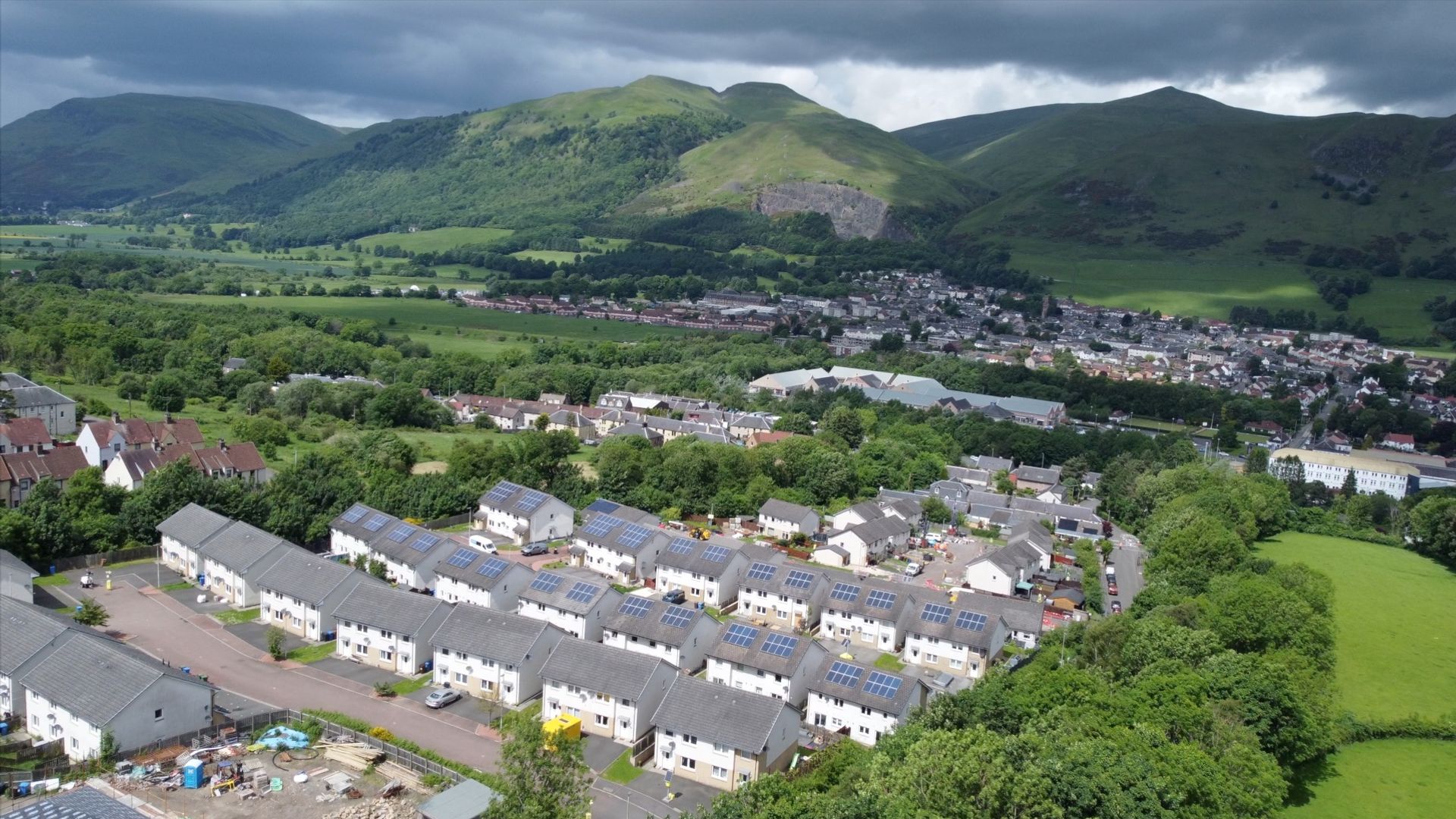
Local media is currently running its favorite, most predictable playbook. A hillside shifts, a village is evacuated for public safety, and within forty-eight hours, the narrative flips from "thank data-driven geology for saving lives" to "the emergency hotel rooms do not have pristine baseboards."
We are witnessing a dangerous trend in disaster management. Public outrage has shifted from the actual crisis—unstable terrain threatening human life—to the quality of the complimentary temporary housing.
This isn't just a minor PR headache for local councils. It represents a fundamental misunderstanding of what an emergency evacuation actually is. It is an exercise in survival and rapid risk mitigation. It is not a taxpayer-funded luxury holiday. When we prioritize hospitality metrics over operational speed, people die.
The Lazy Consensus of the Evacuation Grievance
Look at the standard coverage of any modern displacement event. The core argument from critics always follows a neat, lazy formula: because citizens pay taxes, the state owes them a frictionless, premium lifestyle transition, even during an unpredictable geological emergency.
This logic is completely broken.
Emergency management operates on a hierarchy of needs. The absolute base of that pyramid is physiological safety—getting bodies away from a collapsing landmass. The moment bureaucracy pauses to audit whether a temporary shelter has matching upholstery or five-star hygiene ratings, the operational timeline expands. In the real world, a twenty-four-hour delay spent sourcing "acceptable" commercial lodging can be the difference between a controlled exit and pulling casualties out of mudslides.
I have spent over a decade auditing municipal risk strategies and watching local governments burn through millions of dollars trying to placate angry displaced residents. The result is always the same: budgets get eaten up by short-term hospitality costs, leaving zero capital to actually fix the underlying infrastructure or reinforce the shifting ground.
Dismantling the Accommodation Entitlement
Let's address the questions that always populate the "People Also Ask" sections during these local crises. The premises themselves are deeply flawed.
Why can’t the government provide immediate, high-quality housing during an evacuation?
Because high-quality housing stock does not sit empty, fully staffed, and waiting for a crisis. In any sudden-onset event—whether it is ground movement, a sinkhole, or structural failure—logistics managers must work with whatever inventory is immediately available. This usually means budget motels, university dorms, or community centers. Expecting seamless luxury in a zero-notice scenario is a logistical fantasy.
Is it illegal to house evacuees in substandard conditions?
Statutory obligations require shelter to be safe, dry, and sanitary. They do not require it to be aesthetically pleasing. There is a vast legal and practical gulf between a room that is dusty or outdated and a room that is an actual health hazard. Critics deliberately blur this line to generate outrage.
Emergency Response Priority Matrix
+-------------------------+-------------------------+-------------------------+
| Priority Level          | Objective               | Metric of Success       |
+-------------------------+-------------------------+-------------------------+
| Critical (Level 1)      | Life Preservation       | Zero Casualties         |
| Operational (Level 2)   | Rapid Relocation        | Speed of Emptying Zone  |
| Secondary (Level 3)     | Basic Sustenance        | Caloric/Hydration Needs |
| Low (Level 4)           | Comfort & Amenities     | Subjective Satisfaction |
+-------------------------+-------------------------+-------------------------+
The Real Cost of Prioritizing Comfort Over Speed
When public pressure forces emergency services to become hospitality managers, three things happen, and all of them are bad.
- Logistical Paralysis: Incident commanders stop looking at maps and start looking at hotel reviews. Instead of clearing a danger zone in six hours, evacuations take days because officials are terrified of a media backlash over "shabby" accommodations.
- Resource Depletion: Money spent booking premium hotel blocks at short notice is money stripped directly from engineering solutions. Every dollar spent on a complaints department or premium room upgrades is a dollar stolen from the retaining walls and drainage systems needed to make the village safe again.
- The Dependency Loop: When temporary housing is overly comfortable, the urgency to return home or find permanent solutions drops. It skews the economic reality of the displacement.
Let’s be entirely transparent about the downside of this contrarian reality: it sucks for the individual. It is genuinely unpleasant to be uprooted from your home and placed in a dingy motel room with questionable carpets. It is stressful. It disrupts your routine.
But discomfort is not disaster. Discomfort is the price of survival in a chaotic environment.
Stop Demanding Luxury and Start Demanding Engineering
If you are currently evacuated due to ground movement, your energy is completely misplaced if you are taking photos of dust bunnies for the local evening news. You are asking the wrong questions.
Stop asking why the motel carpet is stained.
Start asking for the raw telemetry data on the land slip. Demand to see the geotechnical reports. Ask the council exactly how many millimeters the ground moved this week, what the structural integrity of the retaining piles looks like, and what the precise trigger metric is for a safe return.
The civil servants handling the housing logistics are not hotel owners; they are triage workers. Treat them like it. Secure your own secondary comforts if you have the means, but let the state focus its limited resources on stabilizing the earth beneath your actual property.
The entitlement state has conditioned us to believe that every unpleasant experience is a failure of governance. It isn't. Sometimes, nature moves, the ground gives way, and you have to sleep in a mediocre room for a few weeks so you don't get buried alive.
Pack your own toothbrush, tolerate the bad decor, and let the engineers do their job.