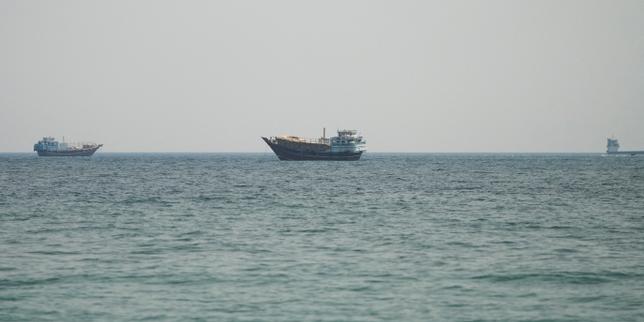
The maritime truce in the Persian Gulf is officially dead. If you thought global shipping routes were finally stabilizing, the latest overnight military action just shattered that illusion. U.S. Central Command confirmed it completed its third massive wave of airstrikes within a week, slamming approximately 140 military targets inside Iran.
This isn't just another localized skirmish. It's a direct, heavy response to an unstable geopolitical environment that threatens the flow of global energy and consumer goods. When a critical choke point gets choked, everyone pays the price. If you liked this piece, you should check out: this related article.
The Trigger that Shattered the Ceasefire
The latest round of violence erupted after the Islamic Revolutionary Guard Corps targeted the M/V GFS Galaxy, a Cyprus-flagged container ship making its way through the Strait of Hormuz. The commercial vessel suffered severe engine room damage and caught fire, leaving one Indian crew member missing.
Tehran claimed the ship violated an "approved route" and ignored explicit naval warnings. Following the attack, Iran announced the complete closure of the Strait of Hormuz "until further notice," trying to force a total halt to Western intervention in the region. For another look on this development, see the latest update from Al Jazeera.
The White House decided that letting a hostile nation dictate international shipping lanes wasn't an option.
What the U.S. Military Actually Hit
The American retaliatory strikes didn't just rattle windowpanes; they systematically dismantled critical infrastructure. Using a coordinated mix of land-based fighter jets, carrier-launched aircraft, drones, and naval surface vessels, CENTCOM forces hit a massive array of strategic positions across Iran’s southern coast.
The targeted infrastructure included:
- Coastal radar and surveillance networks tracking commercial shipping.
- Active drone storage facilities and launch pads.
- Anti-ship missile batteries and command hubs.
- Fast-attack naval assets used by the IRGC to harass tankers.
With this latest operation, the U.S. military has struck more than 300 targets within Iranian borders in just a single week.
The Dangerous Regional Ripple Effect
Instead of backing down under the weight of precision ordnance, Tehran immediately widened the conflict. Within hours of the American strikes, air defense sirens pierced the night across several Gulf nations hosting Western military assets.
The IRGC launched a barrage of ballistic missiles and explosive drones at neighboring countries. Kuwait reported intercepting at least 13 incoming threats over the week, with defense systems engaging more targets early Sunday morning.
Qatar raised its security threat level twice in one morning after a massive interception blast echoed across the capital city of Doha. Shrapnel from intercepted missiles wounded three people in Qatar, including a child. Air defense systems also fired in Bahrain, the home base for the U.S. Navy’s 5th Fleet. Even Jordan engaged and brought down multiple Iranian missiles crossing its airspace.
Iran’s message is loud, clear, and incredibly reckless. If its oil export capacity or maritime dominance is threatened, it intends to drag the entire region down with it.
The Real Economic Stakes for the Rest of the World
You might wonder why a localized naval battle matters to someone sitting thousands of miles away. It comes down to basic math and global logistics.
The Strait of Hormuz is the most vital economic artery on the planet. It’s a narrow stretch of water where one-fifth of the world’s total petroleum transits daily. Since May, U.S.-led naval coalitions have escorted more than 800 commercial vessels carrying roughly 400 million barrels of crude oil through these volatile waters.
When Iran shuts down the strait or sets commercial container ships on fire, global supply chains instantly fracture. Maritime insurance rates for shipping companies skyrocket overnight. Freight carriers are forced to bypass the region entirely, taking long, incredibly expensive detours around Africa. Those massive extra costs don't get absorbed by the shipping lines. They get passed directly down to businesses, retailers, and ultimately, consumers at the checkout counter.
Crude oil prices previously surged to painful highs of $120 a barrel during earlier waves of regional instability. While prices stabilized recently, this massive military escalation creates intense market anxiety. A prolonged closure of the strait will inevitably trigger a sharp spike in global energy costs, making everything from manufacturing to filling up your gas tank significantly more expensive.
Navigating the Volatile Road Ahead
The diplomatic path forward looks completely gridlocked. Iranian political leaders are publicly declaring that the era of one-sided agreements is completely over, signaling a total lack of trust in Western negotiations. Behind closed doors, some intelligence reports suggest moderate factions are trying to blame the shipping attacks on rogue hardline elements, but the physical reality on the water tells a completely different story.
If you manage global supply chains, run a logistics-dependent business, or trade in energy commodities, relying on stable maritime routes through the Middle East is no longer a viable strategy. You need to actively diversify your logistics footprint immediately.
Map out alternative shipping lanes that completely bypass the Persian Gulf, secure long-term freight contracts to insulate your operations from sudden premium hikes, and build robust safety buffers into your inventory timelines. Relying on a fragile peace in a highly contested waterway is a recipe for operational disaster.