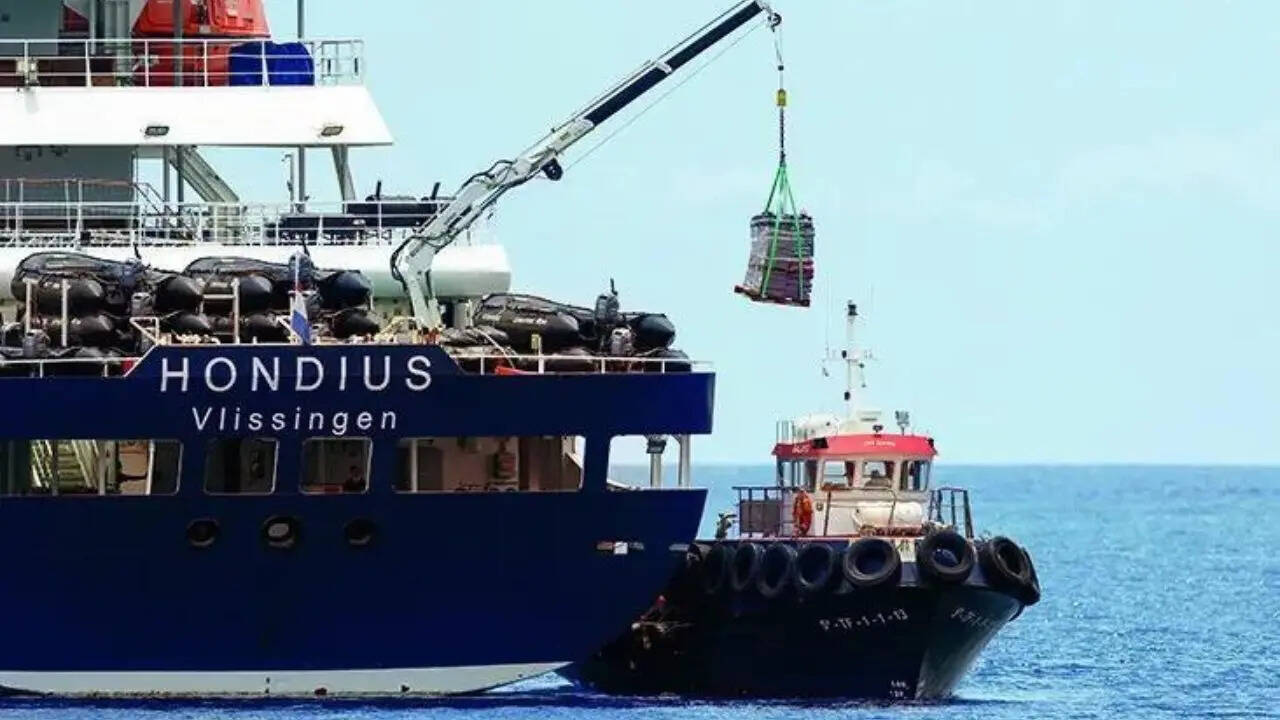
The intersection of isolated cruise environments and high-pathogen viral strains creates a distinct risk profile that standard land-based protocols fail to address. When a vessel carrying Hantavirus departs the Canary Islands for the Netherlands, the incident transcends a simple medical emergency; it becomes a case study in Containment Failure Modes and Maritime Logistical Vulnerability. Hantaviruses are primarily rodent-borne zoonotic pathogens that, while typically associated with Hemorrhagic Fever with Renal Syndrome (HFRS) or Hantavirus Pulmonary Syndrome (HPS), present unique transmission challenges in the high-density, recirculated-air environments of modern passenger ships.
The Triad of Maritime Pathogen Transmission
Understanding the progression of a viral event on a cruise ship requires a breakdown of the three variables that dictate the rate of infection: host density, environmental reservoirs, and vector infiltration.
- Host Density and the R0 Multiplier: On a vessel, the basic reproduction number ($R_0$) of a pathogen is artificially inflated due to the proximity of passengers in communal dining areas, theaters, and elevators. While Hantavirus is not typically known for efficient human-to-human transmission—unlike Norovirus or SARS-CoV-2—the environmental concentration of the virus remains the primary threat.
- Environmental Reservoirs: Pathogens are introduced into the "closed-loop" system of the ship. Once the virus is aerosolized from rodent excreta, the HVAC systems and textile surfaces (carpeting, upholstery) act as semi-permanent reservoirs.
- Vector Infiltration (The Breach): The presence of Hantavirus implies a failure in the Integrated Pest Management (IPM) protocols during the provisioning stage or while the ship was docked. Rodents often enter vessels through mooring lines or within palletized food supplies.
Pathophysiology and Clinical Impediments
The specific strain of Hantavirus dictates the clinical outcome and the subsequent operational response required from the ship’s medical team. Hantaviruses belong to the family Bunyaviridae. In a maritime context, the incubation period—which can range from one to eight weeks—creates a "Shadow Phase" where infected individuals may traverse multiple international borders before exhibiting symptoms.
The Diagnostic Lag
Shipboard medical facilities are equipped for acute trauma and common gastrointestinal distress but often lack the Polymerase Chain Reaction (PCR) or Enzyme-Linked Immunosorbent Assay (ELISA) capabilities required to confirm Hantavirus. This creates a reliance on symptomatic diagnosis, which is notoriously unreliable as early-stage Hantavirus mimics severe influenza or common sea-sickness. The resulting delay in isolation allows the environmental reservoir to expand.
Renal vs. Pulmonary Manifestation
- HFRS (Hemorrhagic Fever with Renal Syndrome): More common in Europe and Asia. It presents as low blood pressure, shock, and acute kidney failure.
- HPS (Hantavirus Pulmonary Syndrome): More common in the Americas. It is characterized by a rapid progression to respiratory failure with a high mortality rate (approximately 38%).
The transition of a ship from the Canary Islands (North Africa/Spain proximity) toward the Netherlands involves moving across different viral geographic zones, complicating the epidemiological mapping of the specific strain.
Logistics of the Northward Transit: A Strategic Vulnerability
Choosing to sail toward the Netherlands rather than docking immediately at a high-capacity Mediterranean port introduces a Time-at-Risk Variable. This decision is often driven by "Port of Refuge" complexities. Not all ports are equipped or willing to accept a vessel under quarantine, leading to a "Pariah Ship" scenario where the vessel must remain at sea, effectively turning the ship into a floating incubator.
The Operational Cost of Quarantine
The fiscal impact of a Hantavirus outbreak is not limited to medical expenses. It involves a cascading series of cost centers:
- Deviation Costs: Fuel consumption increases during high-speed transits to specific medical-hub ports.
- Reputation Arbitrage: The long-term devaluation of the brand often exceeds the immediate cost of the voyage.
- Pest Remediation: Deep-cleaning a vessel to the standards required by the CDC's Vessel Sanitation Program (VSP) or European equivalents requires stripping cabins to the bulkheads to eliminate rodent nests and aerosolized viral particles.
Technical Failure Points in Bio-Security
The transit toward the Netherlands highlights several systemic failures in modern maritime architecture.
The HVAC Bottleneck
Most cruise ships utilize a mix of fresh air intake and recirculated air. If a rodent infestation occurs in the hold or near the primary air intakes, the Hantavirus particles (virions) are distributed throughout the passenger decks. Standard HEPA filtration may catch larger particles, but the desiccation of rodent urine leads to microscopic dust that bypasses lower-grade filters.
Supply Chain Porosity
The Canary Islands serve as a major logistical hub. Provisions taken on board in these regions are subject to varying levels of inspection. A breach in the "Last Mile" of the supply chain—the moment the pallet leaves the warehouse and enters the ship’s loading bay—is the most likely entry point for the viral vector.
Quantitative Analysis of Outbreak Management
To manage a viral event effectively, operators must utilize a Dynamic Risk Matrix. This involves weighing the severity of symptoms against the remaining distance to a Tier-1 medical port (like Rotterdam or Amsterdam).
- Threshold 1: Symptomatic Cluster: Three or more unrelated passengers exhibiting fever and back pain triggers Level 1 Bio-Containment.
- Threshold 2: Confirmed Vector: Discovery of rodent activity in food preparation areas triggers Level 2, involving the shutdown of communal dining.
- Threshold 3: Critical Organ Failure: Any case of renal or pulmonary distress necessitates immediate diversion, regardless of the planned itinerary.
The transit from the Canary Islands to the Netherlands covers roughly 1,500 to 2,000 nautical miles. At an average speed of 20 knots, this is a 4-to-5-day window. If the virus was contracted at the start of the voyage, the "Cytokine Storm" phase of Hantavirus—where the body's immune system overreacts, leading to fluid in the lungs—would likely hit just as the ship enters the English Channel, the world’s busiest shipping lane.
Structural Recommendations for Maritime Strategy
The current incident necessitates a shift from reactive cleaning to Structural Bio-Exclusion.
Hardening the Hull
Mooring lines must be fitted with standardized, high-diameter rat guards that are inspected every four hours. Current industry standards are often lax, with guards being improperly sized or poorly maintained.
Atmospheric Monitoring
Future vessel designs should incorporate localized air-quality sensors capable of detecting organic volatile compounds associated with pest presence in the ductwork. Integrating UV-C light sterilization within the HVAC systems can neutralize aerosolized virions before they reach passenger cabins.
The Decentralized Infirmary
Instead of a single medical center, ships must move toward a modular medical design where specific decks can be isolated into self-contained pressure zones. This prevents the "Chimney Effect," where air pressure differences between decks pull contaminants through elevator shafts and stairwells.
The Strategic Play
Ship owners must immediately re-evaluate their "Force Majeure" clauses and insurance indemnities regarding zoonotic outbreaks. The legal precedent set by recent global health events suggests that "standard pest control" is no longer a sufficient defense against negligence claims if a Hantavirus outbreak occurs.
Operators should implement a Pre-Boarding Provisioning Quarantine. All dry goods and palletized supplies must be staged in a controlled environment and gassed or inspected with infrared thermography to detect hidden rodents before they cross the gangway. Failure to secure the supply chain renders even the most advanced onboard medical facility irrelevant. The goal is the total decoupling of the logistical chain from the passenger environment.
Invest in real-time epidemiological reporting systems that link shipboard data directly to the port authorities in the Netherlands. By the time the vessel enters the North Sea, the Dutch authorities must have a full genomic profile of the strain to ensure that the offloaded passengers do not trigger a terrestrial outbreak. The maritime industry must treat every ship as a high-containment laboratory where the variables of air, waste, and movement are strictly quantified and controlled.

:max_bytes(150000):strip_icc()/GettyImages-461105715-5a66aff65ea1de0036bcb641.jpg)