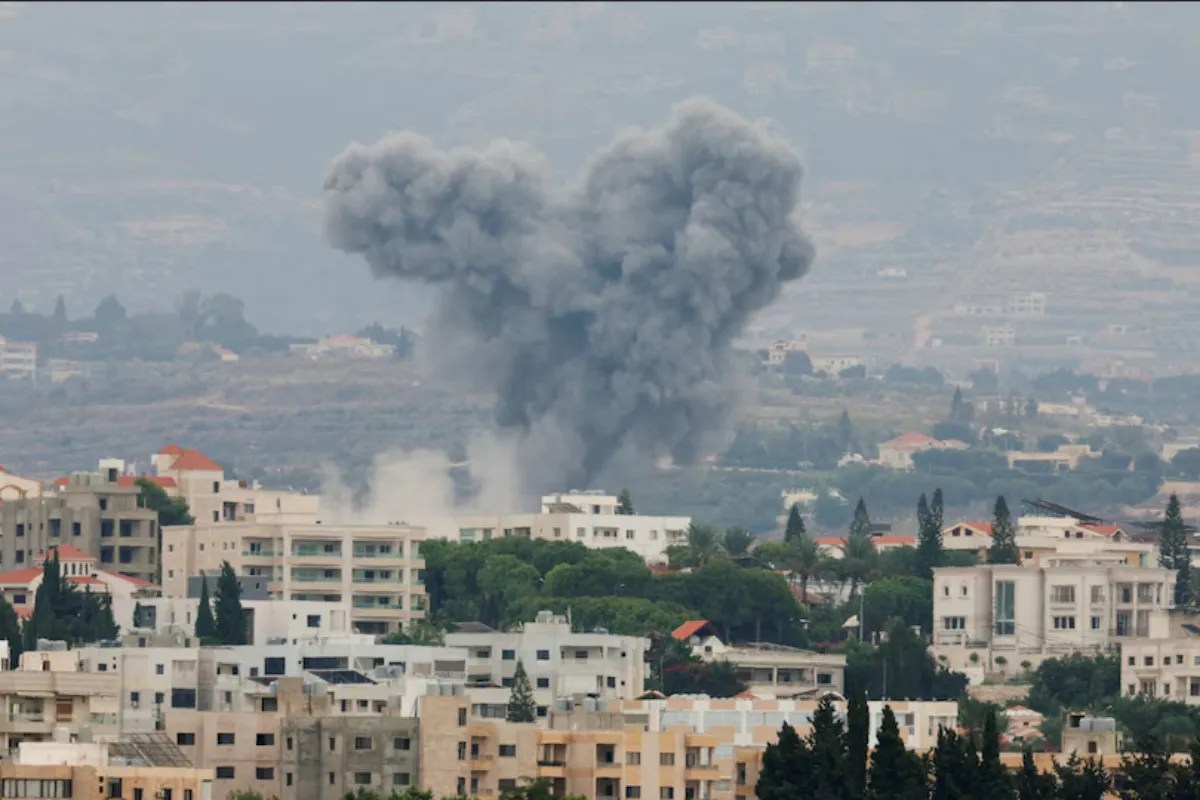
The baseline reporting of military operations in Gaza follows a predictable, tragic cadence. A strike occurs. A handful of lives are extinguished. Dozens more are maimed. Wire services flash the numbers—six dead, twenty wounded—and the world moves on, treating the event as an isolated incident of tactical friction. This perspective misses the grim systemic reality of the conflict. Daily kinetic operations have shifted from strategic maneuvers designed to achieve a definitive political end state into a repetitive, attritional grind. The latest casualties are not anomalies; they are the calculated output of a high-tempo military machine that operates without a clear exit strategy.
For decades, the standard doctrine revolved around cutting the grass—periodic, high-intensity interventions meant to degrade militant infrastructure before retreating to a posture of containment. That doctrine is dead. What has replaced it is a continuous, low-intensity war of attrition that hollows out civilian populations while failing to secure long-term geopolitical stability.
The Mechanics of Perpetual Attrition
Military analysts often focus on the sophistication of precision-guided munitions and intelligence-driven targeting matrices. Yet, the tactical reality on the ground reveals a profound disconnect between technological precision and strategic efficacy. When a drone strikes a residential block to eliminate a low-level operative, the collateral damage is not merely an unfortunate byproduct. It is a structural certainty.
The math of modern urban warfare in densely populated enclaves is unyielding. Every strike creates a compounding wave of displacement, infrastructure collapse, and societal trauma.
- Targeting saturation: The pool of high-value targets inevitably shrinks over time, leading to the targeting of lower-tier assets with disproportionate kinetic force.
- Logistical paralysis: Air operations destroy basic municipal functions, meaning water, sanitation, and medical care collapse far beyond the immediate blast radius.
- Generational radicalization: The elimination of a single militant cell frequently serves as the recruitment catalyst for the next, ensuring a steady supply of insurgent manpower.
By viewing these strikes through a narrow tactical lens, observers miss the broader operational failure. Success cannot be measured by a body count or a tally of destroyed tunnels when the overarching environment remains completely unstable.
The High Cost of the Security Vacuum
A critical flaw in the current operational framework is the absence of a viable governance plan for the day after. Military force can dismantle physical structures, but it cannot govern a vacuum. When formal administration is obliterated by constant bombardment, criminal networks and decentralized militant factions rush to fill the void.
This security vacuum makes civilian life a hazardous gauntlet. Delivery of humanitarian aid becomes an impossible logistical puzzle, subject to looting by desperate crowds or extortion by armed gangs. The regular forces executing these strikes find themselves trapped in a game of tactical whack-a-mole. They clear an area at a high cost, withdraw, and are forced to return weeks later when the insurgency re-establishes itself.
The strategic failure here is absolute. Without a legitimate political authority to manage the territory, military victories are entirely transitory. They yield nothing but rubble and a deepening humanitarian catastrophe that erodes the international standing of the state directing the strikes.
Weaponizing Bureaucracy and Intelligence
The modern battlefield is governed as much by algorithms and administrative orders as it is by boots on the ground. The process of identifying, verifying, and striking a target has been streamlined to a degree never seen before in human conflict. Artificial intelligence and mass data collection feed a constant stream of coordinates to command centers.
This automation creates a dangerous illusion of cleanliness. When an operator pushes a button based on a data point, the human cost is obscured by a digital interface. The intelligence apparatus becomes a self-sustaining loop. It generates targets because it is designed to generate targets, not because every strike moves the needle closer to peace.
Furthermore, the legal justifications used to clear these operations have expanded significantly. Concepts of proportionality are stretched to their absolute limits, allowing for substantial civilian casualties if the perceived military advantage is deemed high enough. This normalization of high civilian tolls transforms exceptional military actions into standard operating procedures.
The Mirage of Total Victory
Political rhetoric frequently promises total victory or the complete eradication of militant capabilities. Anyone who has studied asymmetric warfare knows this is a dangerous delusion. You cannot kill an ideology with a Hellfire missile.
Insurgencies thrive in conditions of despair, destruction, and disenfranchisement. By relying almost exclusively on kinetic solutions, the current strategy guarantees the perpetuity of the threat it claims to destroy. The infrastructure can be rebuilt, new leaders will emerge from the wreckage, and the cycle will reset.
True security requires a combination of political vision, economic integration, and a willingness to address the underlying drivers of the conflict. Until the strategy shifts from relentless tactical execution to a comprehensive political settlement, the headlines will remain unchanged. The body counts will rise, the hospitals will overflow, and the region will remain trapped in a permanent state of war.