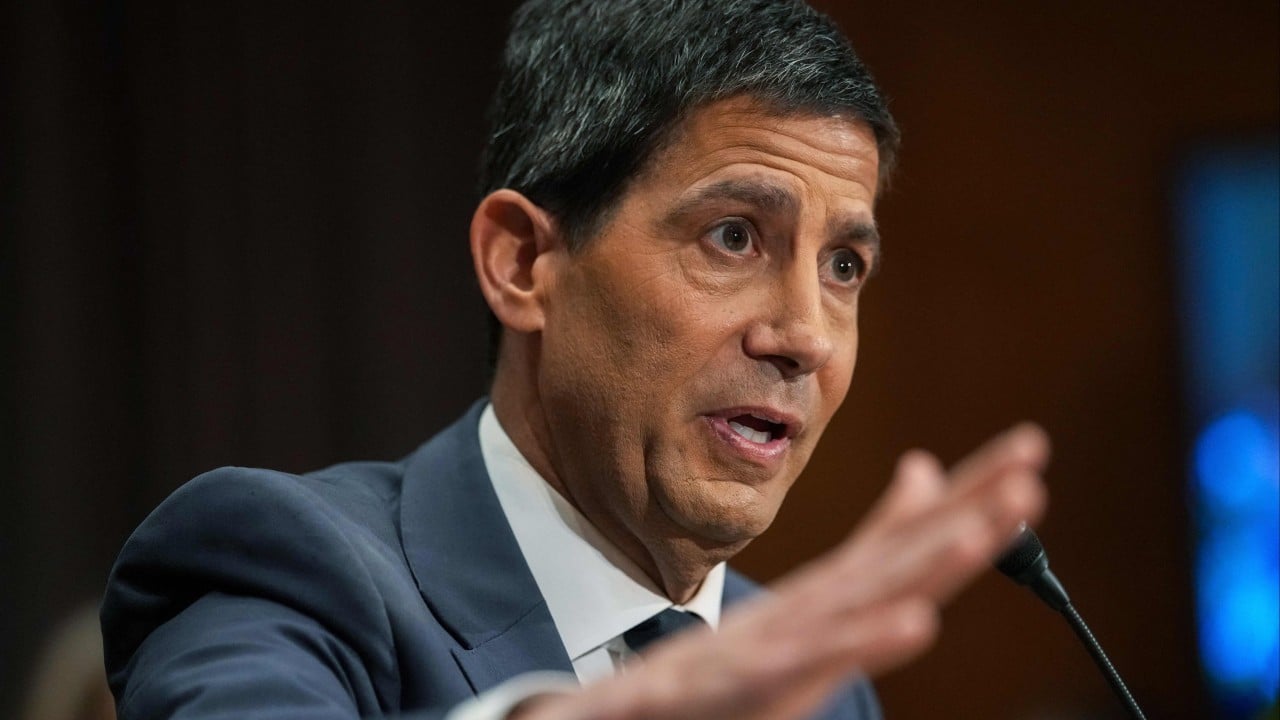
Kevin Warsh is not coming to the Federal Reserve to manage the economy; he is coming to dismantle the logic that has governed it for twenty years. During his confirmation hearing before the Senate Banking Committee on April 21, 2026, Warsh abandoned the typical diplomatic cageyness of a central banker. He explicitly called for a "regime change" at the world’s most powerful financial institution. While the headlines suggest a mere change in leadership, the reality is a fundamental assault on the Fed's "framework"—the set of internal rules and communications that dictate how interest rates move and how the public perceives them.
Warsh is effectively telling the American public that the Federal Reserve under Jerome Powell has been operating on a broken compass. He blamed "fatal policy errors" from the post-pandemic era for the persistent inflation that continues to squeeze household budgets. By demanding a new framework, Warsh is signaling the death of "forward guidance," the practice of telling markets exactly what the Fed plans to do months in advance. To Warsh, this is not transparency; it is a straightjacket that removes flexibility and rewards Wall Street speculators over the real economy.
The Wealthiest Nominee and the Shadow of Mar-a-Lago
Warsh is set to become the wealthiest Fed Chair in modern history. His financial disclosures reveal a fortune exceeding $131 million, a figure that has already drawn sharp fire from progressives. This isn't just about his time at Morgan Stanley or his marriage into the Estée Lauder fortune. It is about where that money is: private funds, artificial intelligence ventures, and cryptocurrency.
Senator Elizabeth Warren has already labeled him a "sock puppet," questioning whether his private holdings link him to the very administration that nominated him. Warsh, for his part, has pledged to divest from these funds, but the delay in detailing their underlying assets has created a vacuum of trust. He is navigating a minefield. While he insists he will not be a "tool" for the White House, President Trump has made no secret of his expectations, stating publicly that he wants immediate rate cuts.
Warsh’s defense is a subtle one. He argues that while the president should have no say in the specific math of interest rates, the Fed should be far more collaborative on "non-monetary" matters like bank regulation and technological competition. It is a distinction that sounds like independence but smells like a new form of coordination.
A Smaller Footprint and the War on the Balance Sheet
The most radical part of the Warsh agenda isn't what he wants to do with rates, but what he wants to do with the Fed itself. He views the $7 trillion balance sheet not as a tool for stability, but as a distortion of the free market. He wants it smaller. Much smaller.
During his testimony, he argued that a bloated balance sheet ruins "policy transmission." In plain English: when the Fed owns too much of the bond market, its interest rate moves don't work the way they should. He wants the Fed to get out of the business of being the world’s biggest buyer of debt. This is a terrifying prospect for bond traders who have spent fifteen years addicted to the "Fed Put."
The Hawkish Dove Paradox
Warsh is an enigma. In the 2008 crisis, he was an inflation hawk who warned against leaving rates too low for too long. Now, he has been seen pivoting toward a more "dovish" stance, suggesting that the AI-driven productivity boom might allow for lower rates without sparking inflation.
This shift has led to the "Warsh Shock" in global markets. When his nomination was first rumored in early 2026, gold and silver markets cratered. Investors began unwinding the "currency debasement" trade, betting that a Warsh-led Fed would be more disciplined about the value of the dollar than any chair since Paul Volcker. It is a high-stakes gamble: can he cut rates to satisfy Trump while simultaneously tightening the Fed's belt to satisfy his own hawkish instincts?
The Congressional Wall and the Criminal Probe
Even if Warsh wins the intellectual argument, he faces a procedural nightmare. His confirmation is currently held hostage by Senator Thom Tillis of North Carolina. Tillis isn't blocking Warsh because of his views on the Taylor Rule or the Phillips Curve. He is blocking him until the U.S. Attorney drops a criminal investigation into the current Fed leadership involving Chair Jerome Powell.
This puts Warsh in an impossible position. To get the job, he must wait for the Justice Department to blink, or for Powell to be fully pushed out by the weight of the investigation. Meanwhile, a Supreme Court case looms in the background, threatening to strip the Fed of the very independence Warsh claims he wants to protect.
The "regime change" Warsh speaks of is already happening, whether the Senate confirms him or not. The era of the all-knowing, all-powerful central bank that talks to markets like a parent to a child is over. Warsh intends to replace it with something leaner, more unpredictable, and much more aligned with the political reality of 2026.
If he succeeds, the Federal Reserve will no longer be the "lender of last resort" that manages every ripple in the economy. It will be a smaller, more disciplined institution that cares more about the dollar's value than the stock market's daily closing price. If he fails, he will be remembered as the man who tried to reform the Fed just as the political fires consumed it.
Watch the balance sheet. If Warsh starts selling assets faster than the market expects, the "Warsh Shock" won't just be a memory from January; it will be the new permanent reality for every investor in America.