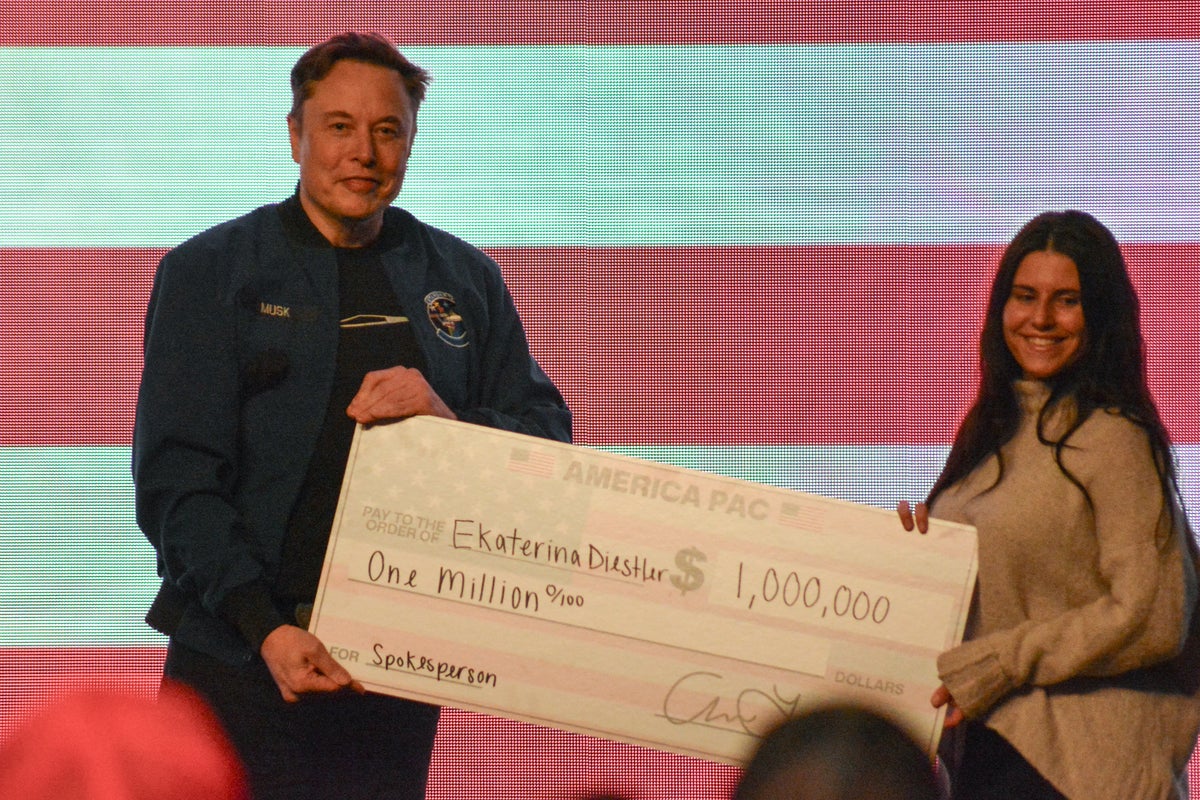
Elon Musk has spent the last few election cycles testing the absolute limits of American campaign law. We’ve seen the giant novelty checks, the smiling registered voters, and the late-night social media boasts. To his supporters, it's brilliant political marketing. To election lawyers, it looked a lot like buying votes.
Now, the bill for those stunts might finally be coming due.
The Wisconsin Elections Commission, a bipartisan panel split evenly between Republicans and Democrats, decided 5-1 that there's "probable cause" Musk violated state election bribery laws. They've officially referred the matter to the local district attorney for potential criminal prosecution.
It turns out that handing out massive cash prizes to people, right after dangling participation in an election as a hook, has serious legal consequences.
The Wisconsin Setup That Triggered the Crackdown
If you feel like you've heard this story before, it's because Musk has a pattern. He pioneered this high-dollar giveaway model during the 2024 presidential race through his political action committee, America PAC. He then brought the exact same playbook to Wisconsin's high-stakes Supreme Court election.
Musk's PAC poured over $20 million into backing a conservative candidate for the state's highest court. To drum up excitement and drive registration, Musk announced he would "personally hand over" two $1 million checks to voters.
The catch? His initial social media posts made it clear the money was "in appreciation for you taking the time to vote."
That was a massive tactical error.
Wisconsin law, like federal law, is incredibly clear on this point: you cannot offer, give, or promise anything of value to induce someone to vote. It's a felony.
Once local election watchdogs and the state attorney general started raising red flags, Musk's team tried to pivot. They deleted the original posts. They quickly changed the rules, claiming the money was actually a prize for signing a petition against "activist judges" and acting as a "spokesperson" for the PAC.
But the Wisconsin Elections Commission didn't buy the sudden shift in narrative.
When Political Loophole Exploitation Fails
Politicians and PACs use loopholes constantly. They pay for canvassers, they give out cheap bumper stickers, and they host free dinners. But there's a massive gulf between a slice of cold pizza at a rally and a life-changing $1 million check.
The "petition spokesperson" defense is the core of Musk's legal shield. His lawyers have repeatedly argued that he isn't paying people to vote; he's paying them for their political speech and advocacy.
But prosecutors look at the realities of the situation:
- The giveaways were explicitly timed around critical voting windows.
- To even be considered, you had to be a registered voter in a specific, highly contested district.
- The initial marketing linked the money directly to the act of casting a ballot.
Even if you dress a payment up as an independent contractor fee or a "spokesperson" contract, a court looks at the intent. If the primary goal of the money is to entice a specific group of people to register and show up to the polls, it walks, talks, and acts like election bribery.
The Sweepstakes Were Never Random
We also now know that these "giveaways" weren't even real sweepstakes.
During a separate legal battle in Pennsylvania, where the Philadelphia District Attorney sued to stop the $1 million daily giveaways, Musk's own legal team let the truth slip. Under oath, the treasurer of America PAC admitted that the winners weren't chosen by luck or random draw.
Instead, they were heavily vetted, hand-selected, and forced to sign non-disclosure agreements. They were basically hired actors paid a million dollars to look like lucky everyday voters who happened to support Musk's causes.
This admission protected Musk from state illegal lottery charges in Pennsylvania, but it opened a whole new can of worms. It triggered a federal fraud lawsuit in Arizona from a voter who pointed out the obvious: they were tricked into giving up their private, personal data under the false pretense of a fair, random draw. A federal judge recently ruled that this fraud case can move forward.
Where the Legal Battles Stand Right Now
Musk is currently fighting this battle on multiple fronts:
- Wisconsin Criminal Referral: The Brown County District Attorney has the file. They must decide whether to officially file criminal charges against Musk for violating state election bribery laws.
- Wisconsin Civil Lawsuit: A separate civil lawsuit brought by an advocacy group is working its way through state court, aiming to declare the giveaways an illegal lottery.
- Federal Class Action Fraud: The Arizona lawsuit is progressing in federal court, focusing on the deceptive nature of the "random" drawings.
If you are a political campaign organizer, a donor, or just someone interested in how election law works, the lesson here is simple. Do not try to replicate the Musk playbook. The legal safety net of political action committees does not cover direct, massive cash handoffs to voters, no matter how many NDAs or petition forms you wrap them in. Keep your campaigns focused on traditional outreach, and leave the giant checks in the prop room.
Inside the courtroom: How the Pennsylvania DA fought Musk's $1M giveaways
This video provides an excellent breakdown of the Pennsylvania legal hearings where Elon Musk's team had to admit under oath that their "random" million-dollar sweepstakes was actually a highly curated, non-random hiring process.