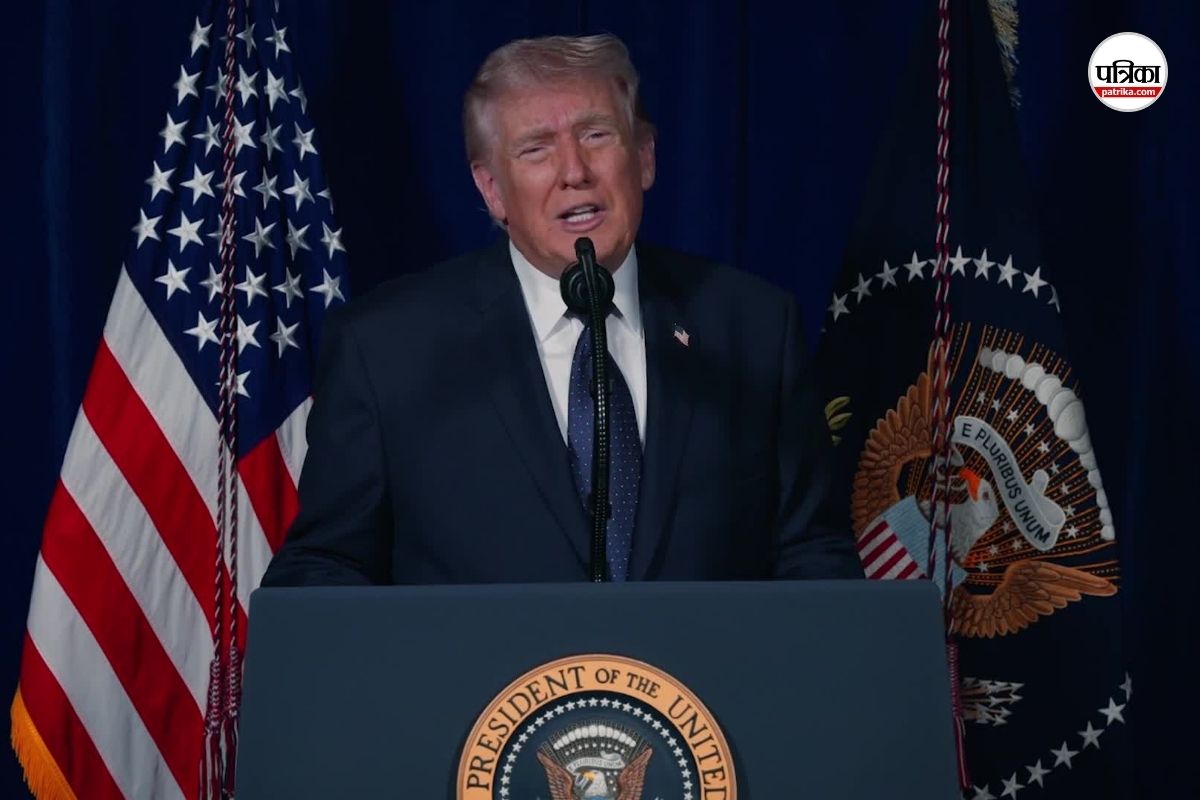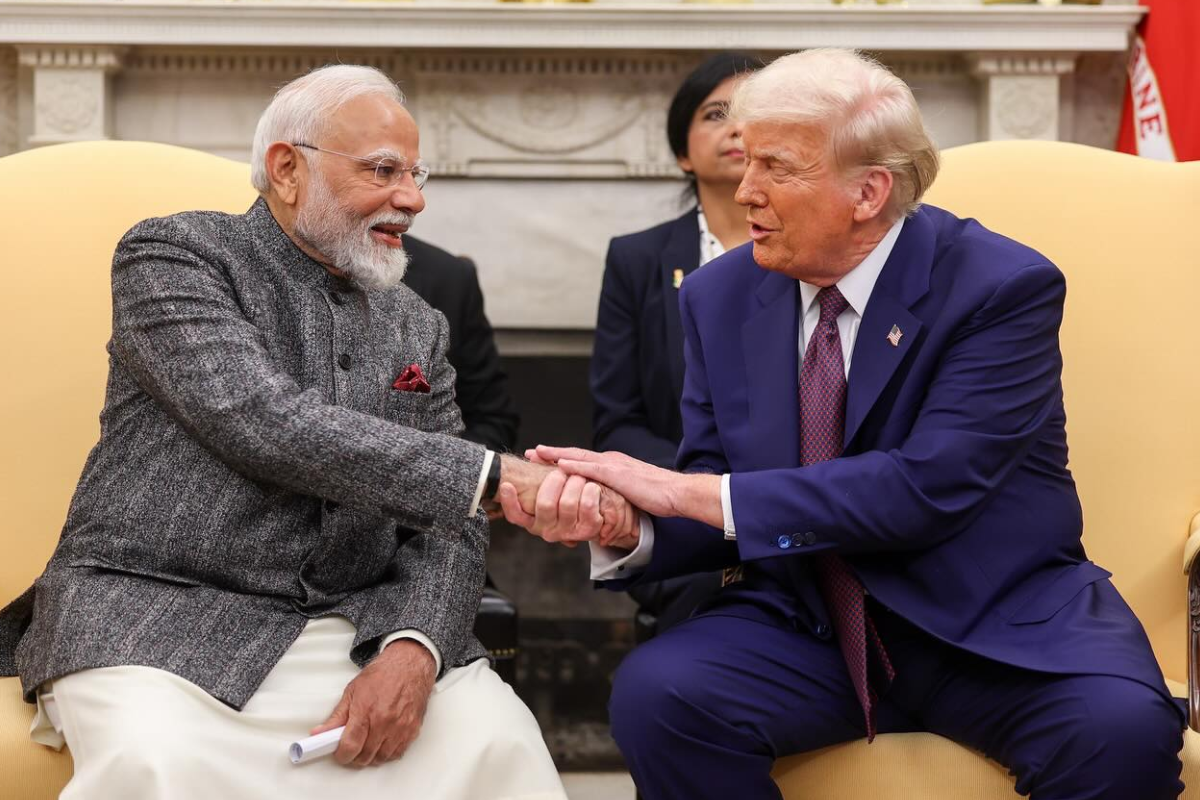
Diplomacy isn't what it used to be. Usually, when the heads of the world’s largest democracies get on the phone to discuss a looming war, the guest list is restricted to top-tier generals and seasoned diplomats. But on March 24, 2026, a third voice reportedly echoed through the line during a high-stakes call between Prime Minister Narendra Modi and President Donald Trump. That voice belonged to Elon Musk.
The world found out through a New York Times report that Musk wasn't just a fly on the wall; he was a participant in a conversation centered on the exploding conflict in West Asia. While the Indian Ministry of External Affairs (MEA) was quick to issue a denial—insisting the talk was strictly between the two leaders—the White House simply called the exchange "productive."
Whether the MEA is doing damage control or the NYT sources are overreaching, the mere suggestion of Musk’s presence changes the flavor of Indo-US relations. It signals that under Trump 2.0, the line between statecraft and corporate interests hasn't just blurred—it's been erased.
The Strait of Hormuz and the cost of war
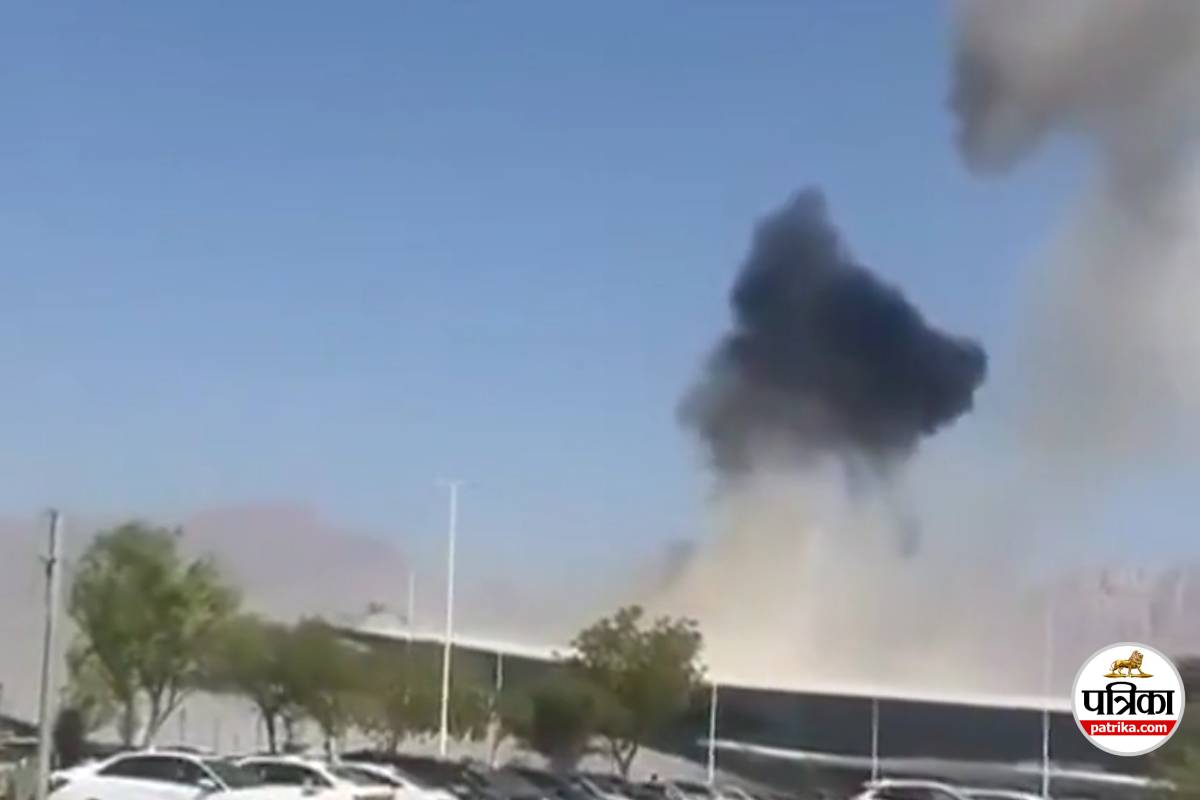
You have to look at the map to understand why this call happened now. Since the massive military strikes on Iran began on February 28, 2026, the global economy has been holding its breath. Iran’s immediate move was to choke the Strait of Hormuz.
For India, this isn't some distant foreign policy puzzle. It’s a direct hit to the kitchen budget. About 50% of India’s crude oil and over 54% of its natural gas transit through that narrow strip of water. If Hormuz stays blocked, the "energy security" India has spent decades building turns into a memory.
Modi’s primary goal in this call was de-escalation. He’s pushing for a "secure and accessible" passage. Trump, however, is operating on a different frequency. His administration initially leaned into regime change in Tehran, but the reality of a global energy collapse is forcing a pivot toward a "deal." The presence of Musk in this mix suggests that the "deal" might involve more than just borders and bombs; it likely involves the massive infrastructure and tech interests Musk represents.
Why Musk was in the room
It’s easy to call Musk’s involvement "unusual," but let’s be honest. In the current Washington landscape, Musk is essentially a shadow cabinet member. After a brief falling out last year, he’s back in Trump’s inner circle.
- Regional Investment: Musk’s companies, particularly SpaceX and Tesla, are heavily backed by Middle Eastern sovereign wealth funds from Qatar and Saudi Arabia. These players have a massive stake in how the Iran war ends.
- The India Expansion: Musk has been eyeing the Indian market for years. From Starlink’s licensing to Tesla’s manufacturing plants, his business interests in India are worth billions.
- The DOGE Factor: Musk’s previous role in the Department of Government Efficiency gave him a taste of state power. Even as a "private citizen," he carries the weight of a person who can influence US federal policy on a whim.
If Musk was on that call, he wasn't there to talk about human rights. He was there because the stability of the global supply chain is a prerequisite for his companies to function. When the Strait of Hormuz closes, SpaceX launches get more expensive and Tesla’s global logistics fall apart.
The Chabahar dilemma and India’s shifting stance
For years, the Chabahar Port in Iran was India’s golden ticket. It was the way to bypass Pakistan and reach Afghanistan and Central Asia. We poured over $120 million into it. But the second Trump administration has made "strategic autonomy" a very expensive hobby for New Delhi.
Recent reports suggest India has started liquidating its stakes in Chabahar. The reason? A brutal 25% tariff threat from Trump on any country doing business with Iran. When faced with the choice between a strategic port in a war zone and access to the American market, the Modi government made the pragmatic—if painful—call to pull back.
This retreat leaves a vacuum. China is already hovering, ready to pick up the pieces of the port India built. This is the "transactional diplomacy" Trump loves. He’s effectively forced India to choose a side, and for now, that side is Washington.
The fallout in New Delhi
Back home, the opposition isn't letting this slide. The Congress party has been vocal, asking why a private businessman is privy to state secrets. They’re framing it as a "transparency crisis."
But let’s look at the reality of 2026. The world is moving toward a model where billionaires hold as much sway as prime ministers. If Musk is the bridge to Trump’s ear, Modi has to use it. It’s not about "dignity" or "old friendships" with Tehran anymore. It’s about survival in a world where the US President treats foreign policy like a boardroom negotiation.
What you need to do now
The geopolitical landscape is shifting faster than the headlines can keep up. If you're looking at how this affects you, keep an eye on these specific indicators.
- Watch the Oil Prices: If the "productive" talks between Modi and Trump don't lead to a Hormuz reopening within the next 14 days, expect a sharp hike in fuel and cooking gas prices in India.
- Track the Starlink License: If Musk’s Starlink suddenly gets the green light in India in the coming weeks, you’ll have your answer about whether his presence on that call was "business" or "diplomacy."
- Diversify Energy Stocks: With the Middle East in flux, Indian energy companies are pivoting. Look for those investing heavily in domestic green hydrogen or solar to hedge against the Hormuz risk.
India’s days of "multi-alignment" are being tested like never before. The call on March 24 wasn't just a chat between friends; it was a glimpse into a new world order where the CEO of SpaceX has a seat at the table of war.