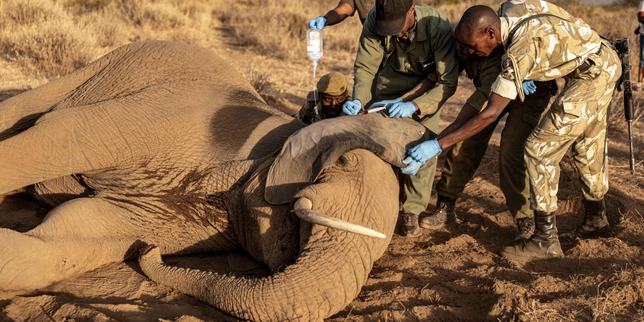
Lying on the ground and kicking up suffocating clouds of dust, an 11-year-old male elephant named Genghis Khan exhausts himself in futile attempts to stand. Vets rush to administer emergency glucose injections because it is basically the only option available while the true root cause remains completely unknown. Since June, a mysterious affliction has killed at least 19 pachyderms in southern Kenya's iconic Amboseli ecosystem. Most of the dead are females and young calves, and all exhibit the exact same haunting symptoms: respiratory distress followed by rapid, partial paralysis.
The Kenya Wildlife Service (KWS) points a finger at cyanide. They suggest that high concentrations found in animal carcasses indicate pesticide poisoning, likely originating from local farmers' crops where elephants raid for unripe tomatoes. Yet, local communities, independent conservationists, and regional ecosystem managers are pushing back hard against this narrative.
The Cyanide Theory Versus Reality
According to the KWS, preliminary toxicology reports show alarming levels of toxic chemicals. Officials explain that animals ingest the contaminated crops, experience internal organ failure affecting the lungs and liver, and wander toward water sources before collapsing.
Reality on the ground is messier. Critics of the official stance point out glaring holes in the pesticide hypothesis. If lethal chemical agents are littering the landscape, why are local livestock completely unaffected? More importantly, why are scavengers like hyenas and vultures feeding on the carcasses without dropping dead themselves? Usually, secondary poisoning wipes out scavengers instantly.
Joel Nyika, the Amboseli ecosystem manager for Kajiado County authorities, rejects the chemical narrative outright. Local voices from the Maasai community share this skepticism, noting that humans and domestic animals consume the exact same local environment without exhibiting similar neurological or paralytic symptoms.
What the Experts Miss
Many independent specialists argue that officials might be misdiagnosing a pathogen. Instead of chemical sabotage or accidental farm ingestion, the culprit could be an infectious disease targeting elephants specifically. Paula Kahumbu, head of Wildlife Direct, has publicly highlighted the glaring lack of solid evidence supporting the widespread pesticide theory. She notes that adult bulls—the animals most notorious for breaking fences and raiding farms—are largely absent from the death toll, whereas vulnerable females and calves are dying in droves.
This discrepancy raises uncomfortable questions about human-wildlife conflict narratives. When high-profile animal deaths occur near agricultural borders, default assumptions often lean toward farmer-wildlife retaliation or accidental agrochemical ingestion. Jumping to conclusions without bulletproof toxicology data helps nobody, least of all the surviving herds.
Protecting Vulnerable Herds Now
If you track wildlife conservation or plan to visit East Africa's reserves, understanding these nuances matters. Conservation management requires transparency, rigorous scientific testing, and open dialogue between local communities and national authorities.
Here is what needs to happen immediately to protect remaining populations:
- Independent laboratories must cross-verify all toxicology samples to clear up conflicting test results.
- Ecosystem managers need to step up active monitoring around migratory corridors to catch early signs of distress.
- Local communities and national wildlife agencies must bridge communication gaps to ensure disease surveillance matches ground-level realities.
The clock is ticking for Amboseli's herds. Real answers require looking past convenient assumptions and following the actual science wherever it leads.
15 elephants found dead in Kenya: Amboseli Cyanide Mystery
This video provides an on-the-ground look at the Amboseli ecosystem and breaks down the initial investigations surrounding the mysterious elephant deaths in Kenya.
http://googleusercontent.com/youtube_content/1