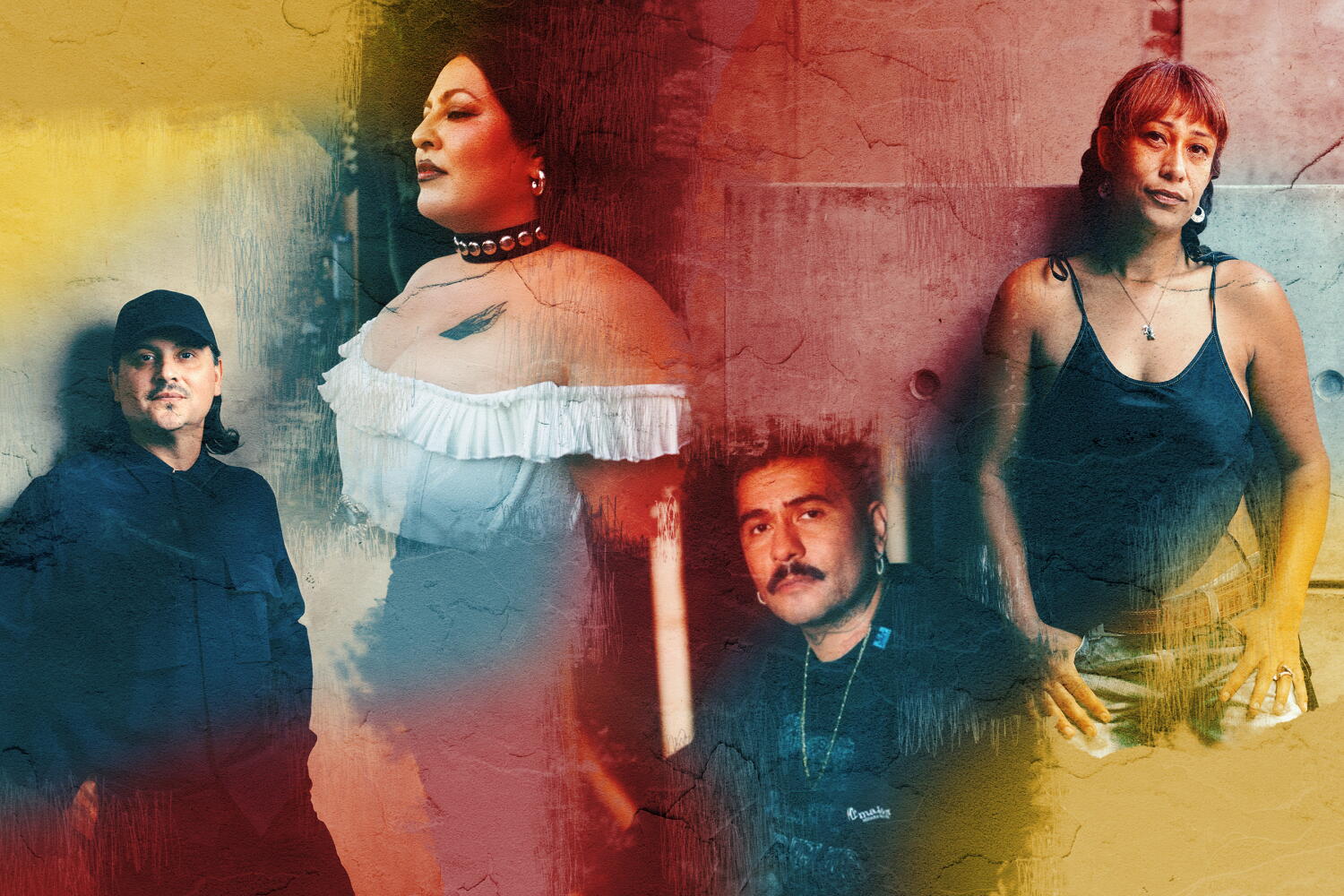
Concrete bakes under a merciless Los Angeles sky. Sirens wail in the distance, a familiar rhythm to anyone raised within the asphalt grid of East L.A. during the 1970s. For generations, the narrative imposed upon this neighborhood was written by outsiders—scribbled in police blotters, reduced to statistics of poverty, or flattened into cartoonish stereotypes of gang violence. The media saw a problem to be solved or ignored.
They did not see artists.
They did not see the quiet rebellion brewing in living rooms and alleyways, where young people were looking at the cultural wasteland around them and deciding to author their own reality.
Enter Asco.
Pronounced *
When the Streets Claimed the Gallery Walls
entertainment, lifestyle
The asphalt of East Los Angeles in the 1970s did not whisper; it baked, cracked, and hummed with the low, steady vibration of a culture under siege. Police sirens were a metronome. Freeway construction ripped through neighborhoods like a physical scar, severing families and erasing front porches in the name of urban renewal.
In that concrete crucible, four young artists decided that permission was a myth invented by people who owned the walls.
Patssi Valdez, Harry Gamboa Jr., Gronk, and Willie Herrón III did not just make art. They weaponized performance, photography, and murals to declare that Chicano existence was not a footnote to American history. They called themselves Asco—the Spanish word for disgust, nausea, or revulsion. It was a calculated, brilliant slap in the face to a mainstream art world that either ignored them or expected them to paint weeping virgins on velvet.
Walk down Whittier Boulevard during the height of the Chicano Moratorium, and you would smell the exhaust of lowriders mixed with tear gas. You would see banners reading "Nuestro Combate No Es en Vietnam" competing with the neon glare of liquor stores. Into this chaos stepped Asco, wearing cardboard as if it were velvet haute couture, staging conceptual protests that left gallery curators blinking in confusion.
Consider their 1972 masterwork, First Supper (After a Major Riot).
Picture this: four artists sitting around a folding table set up right in the middle of the median strip on Whittier Boulevard. Traffic roars past them. Drivers crane their necks. The artists are dressed in striking, theatrical makeup, dining on surrealistic props amid the literal wreckage of civil unrest. It was a performance that bypassed the white-walled galleries of downtown entirely. They did not ask the establishment for a seat at the table. They dragged a table into the middle of the highway and declared the city their dining room.
That gesture changed everything, even if the world took decades to notice.
For years, the gatekeepers of culture treated L.A. art as a beach-and-sunshine affair centered on Westside galleries and Hollywood sheen. East L.A. was treated as a backdrop for crime statistics, a statistic to be managed rather than a culture to be celebrated. Asco smashed that geographic prejudice with a hammer made of pure imagination.
When Harry Gamboa Jr. photographed friends and strangers posing as walking sculptures for his conceptual series Instant Mural, he was hijacking the architecture of the city. With a single flash of a camera against a deteriorating public housing wall, a living human being became an artwork. No permits. No museum boards. No wealthy patrons signing checks. Just art made out of raw presence and defiant survival.
Yet, the irony of artistic validation is a bitter pill. For a long time, the institutions that sneered at Asco in the seventies are the very ones now rushing to acquire their archives, placing their ephemeral street theater behind climate-controlled glass.
This tension sits at the heart of the latest generational reckoning, heralded by exhibitions like Asco: Without Permission. When museums finally enshrine the rebellion, does the fire go out? Do the jagged edges of a street-born movement get sanded down to fit nicely into a corporate gallery gift shop?
The answer lies not in the glass cases, but in the streets outside them.
The kids painting murals in Boyle Heights today, the digital creators mixing indigenous iconography with science fiction, the young performers staging pop-up interventions on Metro trains—they are the direct bloodline of Asco. They inherited a language forged in asphalt and anger, refined into beauty and intellect.
History is rarely made by people who wait for an invitation. It belongs to those who look at a blank wall, a locked door, or a highway divider, and see a canvas waiting to be claimed.
The sirens still wail down Whittier Boulevard sometimes. The asphalt still bakes under the southern California sun. But somewhere out there, beneath the glare of the smog-tinted sky, a kid with a piece of cardboard and a bold idea is already planning the next disruption.


