The ceramic tea cup didn’t just tip; it danced. It was a frantic, rattling jitter against the wooden table that lasted long enough for the brain to cycle through every stage of denial. First, you think it’s a heavy truck passing on the road outside. Then, you realize there is no road close enough for a truck that size. Finally, the floor becomes liquid.
Hokkaido is a land defined by its stillness. It is the rugged, northern frontier of Japan, where the air tastes of salt and pine, and the silence of the mountains feels permanent. But at 6:54 PM on a Sunday, that permanence was revealed as an illusion. Deep beneath the Uchiura Bay, at a depth of 140 kilometers, the tectonic gears of the Earth ground against one another with a violent, unyielding force.
The Japan Meteorological Agency (JMA) clocked the magnitude at 6.2. To a seismologist, that is a data point on a graph. To a family sitting down to dinner in Chitose or Atsuma, it is the sound of your house screaming.
The Anatomy of a Shudder
Earthquakes in Japan are a part of the cultural DNA, but familiarity does not breed indifference. It breeds a specific kind of hyper-vigilance. When the magnitude 6.2 hit, the seismic intensity—the shindo scale used locally—reached a "lower 5" in parts of the island.
Think of the shindo scale not as a measurement of energy released, but as a measurement of human experience. At a lower 5, hanging objects swing violently. Books fall from shelves. People find it difficult to move without holding onto something stable. It is the moment when the inanimate world suddenly acquires a terrifying life of its own.
Consider a hypothetical resident named Kenji, living in a quiet suburb of Sapporo. He has lived through the 2018 Eastern Iburi earthquake, a trauma that carved deep scars into the landscape and the collective psyche of Hokkaido. For someone like Kenji, the first vibration isn't just a physical event. It is a psychological trigger. The flash of adrenaline is followed by a mental checklist: Where is the flashlight? Is the stove off? Is the tsunami siren going to wail?
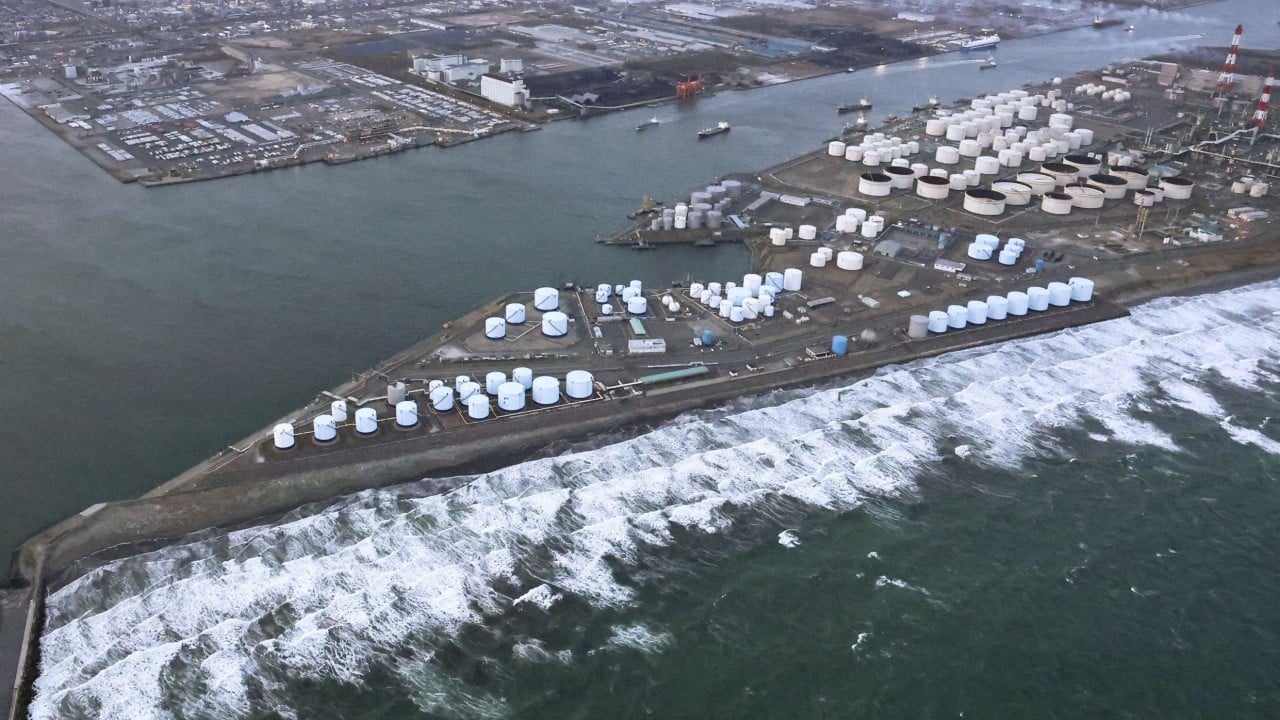
The JMA was quick to confirm that there was no tsunami threat this time. The depth of the quake—nearly 90 miles down—acted as a buffer, preventing the kind of massive seafloor displacement that sends walls of water crashing into the coastline. But a lack of water doesn't mean a lack of danger.
The Invisible Stakes of the Aftershock
The immediate shaking is only the first act of a much longer play. The real tension lies in what follows. The JMA issued a stern warning that residents should remain on high alert for about a week. History is a cruel teacher in this regard; often, a large quake is merely the scout for a more devastating main event.
The earth is currently resetting itself. Imagine a giant, rusted spring that has been compressed for decades. When it finally snaps, it doesn't just return to its original shape in one clean motion. It vibrates. It wobbles. It settles into place through a series of smaller, unpredictable jolts.
This creates a state of suspended animation for the people of Hokkaido. You don't put the fragile heirlooms back on the shelf yet. You don't sleep with your bedroom door closed, for fear the frame might warp and trap you inside. You listen to the silence, wondering if the next sound will be the wind or the return of the roar.
Why Hokkaido Feels the Weight Differently
The geography of Hokkaido adds a layer of complexity to these events that southern Japan doesn't share. This is a region of vast, open spaces and steep, volcanic terrain. In 2018, the shaking triggered massive landslides that buried entire homes in seconds. The soil here, often composed of volcanic ash, can behave like a fluid when vibrated—a process called liquefaction.
When the ground turns to soup, the strongest foundations in the world mean nothing. This geological reality turns every tremor into a question of survival. Is the hillside behind the house stable? Has the rain from earlier in the week saturated the earth enough to make it slide? These are the silent calculations being made in the dark hours of a Hokkaido night.
Public infrastructure in Japan is arguably the best in the world for seismic resilience. The "Bullet" trains, or Shinkansen, are equipped with sensors that can cut power and trigger emergency brakes the moment a P-wave—the fast-moving, early warning wave—is detected. On this Sunday evening, several lines were briefly halted. High-speed marvels of engineering were reduced to stationary metal tubes, waiting for the all-clear.
It is a humbling sight. A society that has mastered the atom and the microchip is still forced to pause when the planet decides to stretch.
The Persistence of the Human Spirit
There is a word in Japanese, gaman, which roughly translates to "enduring the seemingly unbearable with patience and dignity." You see it in the way the people of Hokkaido responded to this 6.2 magnitude event. There was no widespread panic. There were no riots or looting. Instead, there was a quiet, methodical return to readiness.
People checked on their neighbors. They topped off their emergency water supplies. They scrolled through the JMA's updates with a practiced, stoic focus.
The struggle of living in a beautiful, volatile place is that the very things that make it breathtaking are the things that make it dangerous. The mountains that offer world-class skiing and hot springs are the result of the same tectonic pressures that just rattled the windows. The rich, volcanic soil that grows the best produce in Japan is the same soil that can slide away during a quake.
Living here requires a pact with the land. You accept the beauty, and in exchange, you accept the instability.
The lights in Sapporo remained on. The nuclear power plants, including the Tomari plant which has been a point of intense scrutiny since 2011, reported no abnormalities. On the surface, it appeared that Hokkaido had dodged a bullet. But for those who felt the earth move, the experience isn't over when the shaking stops.
The week of vigilance requested by the JMA is a heavy one. It is a week of jumping at every loud noise. It is a week of watching the water in the glass for the slightest ripple. It is a reminder that we are guests on a living, breathing entity that does not always care for our schedules or our sense of security.
As the sun rose over the mountains the following morning, the pine trees stood still once more. The air was cold and crisp. To a traveler arriving for the first time, Hokkaido would look like a picture of serenity. But the locals know better. They know that deep beneath the bay, the earth is still talking. And for now, all they can do is listen.
The tea cup sits back on the shelf. The flashlight remains on the nightstand. The island holds its breath, waiting to see if the earth is finished with its dance, or if it is just catching its second wind.