The financial press loves a predictable tragedy. They see a geopolitical flare-up, they see a 12% footfall drop in Downtown Dubai, and they start drafting the obituary for the Gulf’s luxury dominance. The narrative is always the same: "Conflict shrinks margins." It is a lazy, surface-level read that ignores how the math of true exclusivity actually functions.
If you believe the headlines, the current squeeze on Dubai Mall sales is a sign of weakness. In reality, it is a much-needed correction. For a decade, luxury houses have been diluting their DNA to chase "tourist volume." They turned their boutiques into high-end transit lounges for the global middle class. Now that the geo-political heat has turned up, the tourists have stayed home. The result? The "volume" is gone, and the brands are finally forced to face their actual customers again.
The Myth of the Luxury Footfall Metric
Retail analysts track footfall like it’s a holy scripture. It isn't. In the world of $50,000 handbags and six-figure watches, footfall is often just friction.
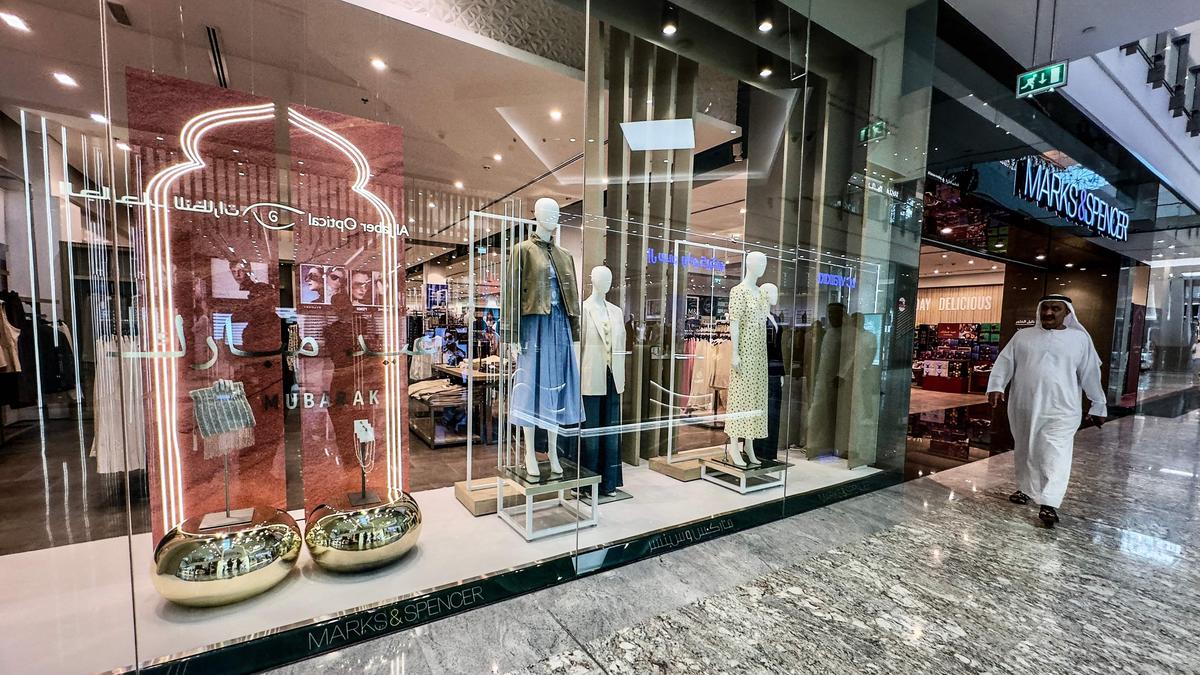
When Dubai Mall is packed with 80 million people a year, a boutique on the Fashion Avenue spends 90% of its energy managing "looky-loos"—people who want to take a selfie with a gold-plated mannequin but have zero intention of buying. This creates a hidden tax on the brand. You need more security, more junior sales staff, and more maintenance. Most importantly, you lose the high-net-worth individual (HNWI) who refuses to navigate a crowd of three thousand tourists to buy a necklace.
I have sat in boardrooms where executives lamented a 5% drop in store entries while their Average Transaction Value (ATV) actually climbed. If the Iran conflict scares away the casual traveler but the local Emirati and Saudi whales are still booking private appointments, the brand hasn't lost; it has optimized.
Lower footfall is not a crisis. It is a filter.
The Iran Conflict is a Geopolitical Scapegoat
Blaming the "profits squeeze" on regional instability is a convenient lie for CEOs to tell their shareholders. It masks the real problem: price fatigue.
Over the last three years, the major houses—LVMH, Chanel, and Hermès—have hiked prices at a rate that outpaces any semblance of inflation or value-add. They tested the ceiling of what the "aspirational" buyer could handle. In Dubai, a city built on the perception of value-plus-glamour, that ceiling has been hit.
The conflict isn't stopping a billionaire from buying a Patek Philippe. It is, however, giving the guy who saved up six months of salary an excuse to rethink his purchase. If your business model relies on the psychological stability of the middle class during a war, you aren't running a luxury brand. You're running a premium commodity firm with a logo problem.
The Death of the Aspirational Buyer
We are witnessing the end of the "Aspirational Era" in the Middle East. For years, the strategy was simple: capture the Russian, Chinese, and Indian travelers passing through DXB. These buyers wanted the loudest logo for the lowest entry price.
But the "entry-level" luxury market is a race to the bottom. It requires massive inventory, huge marketing spend, and high-traffic locations like Dubai Mall. When the regional "vibe" shifts due to conflict, these buyers vanish instantly.
The real players—the ones who don't care about the news cycle—are still there. They just aren't shopping in the mall anymore. They are shopping via WhatsApp. They are shopping in private salons in Jumeirah. The "squeeze" the media is reporting is actually just a migration of capital from the public floor to the private suite. If a brand’s public sales are cratering, it means they failed to build a relationship with the people who actually live in the 971 area code.
Why Margins Shrink When You Chase Everyone
The "Lazy Consensus" says: More people = More sales = More profit.
The reality of luxury economics is closer to this:
$$Profit = (Volume \times Margin) - (Complexity \times Brand Dilution)$$
When you chase volume in a massive hub like Dubai, your complexity costs explode. You are paying some of the highest rent per square foot on the planet. You are paying for a massive staff to handle a crowd that is increasingly composed of "window shoppers."
The current dip in Dubai Mall sales is forcing brands to cut the fat. They are realizing that they don't need a 5,000-square-foot flagship if 4,000 square feet of it is being used by people who just want to feel the air conditioning. The squeeze is a signal to pivot back to a high-margin, low-volume model.
The Regional Pivot No One is Talking About
While the press focuses on the "losses" in Dubai, they are ignoring the aggressive expansion into Riyadh and Doha.
The smart money knows that Dubai is the "showroom," but the "vault" is moving. The Iran-Israel tension affects the vibe of Dubai as a holiday destination, but it doesn't change the structural wealth of the GCC. Brands that are whining about Dubai Mall sales are likely the ones who failed to localize their operations.
If you are a French brand that treats Dubai as just another "Global City" like London or Singapore, you are getting crushed. If you are a brand that understands the tribal nature of Gulf wealth, you are moving your best pieces to private trunk shows in Riyadh. The sales haven't disappeared; they’ve just changed zip codes.
Actionable Strategy: Stop Fixing the Footfall
If I were advising a brand manager at Dubai Mall right now, my advice would be the opposite of what the consultants are saying.
- Do not discount. The moment you run a "Special Event" or a "Private Sale" to make up for the 15% dip in traffic, you have killed your brand’s prestige. You are training your customers to wait for the next conflict to get a deal.
- Cut the "Entry Level" SKU. Stop trying to sell $300 keychains to tourists. If the mall is quiet, use that space to showcase your $50,000 "Hard Luxury" items. Turn the store into a museum for the few, not a shop for the many.
- Fire your "Global" Marketing Agency. If your ads in the UAE look exactly like your ads in Paris, you are wasting money. The Dubai buyer is looking for stability and legacy right now, not "cutting-edge" trendiness.
- Invest in "Dark Retail." Use your Dubai Mall location as a logistical hub for home deliveries and private viewings. If the customers won't come to the mall because of the "tension," take the mall to their villa.
The Inevitable Truth
The profit squeeze isn't a "Dubai problem" or a "war problem." It’s a "lazy luxury" problem.
For too long, brands used Dubai’s massive tourism numbers as a crutch. They didn't have to be good; they just had to be there. Now that the easy traffic has dried up, we get to see who actually has a brand and who just has a well-placed storefront.
The conflict in the region is a tragedy, yes. But for the business of luxury, it’s a brutal, necessary audit. It’s weeding out the brands that don't belong on the top floor.
Stop looking at the footfall counters. Start looking at the client books. If you can't make a profit with 10% fewer people in the building, you were never selling luxury to begin with. You were just selling souvenirs to people who could afford the plane ticket.
The mall is quieter. The air is thinner. The real players are finally getting some work done.