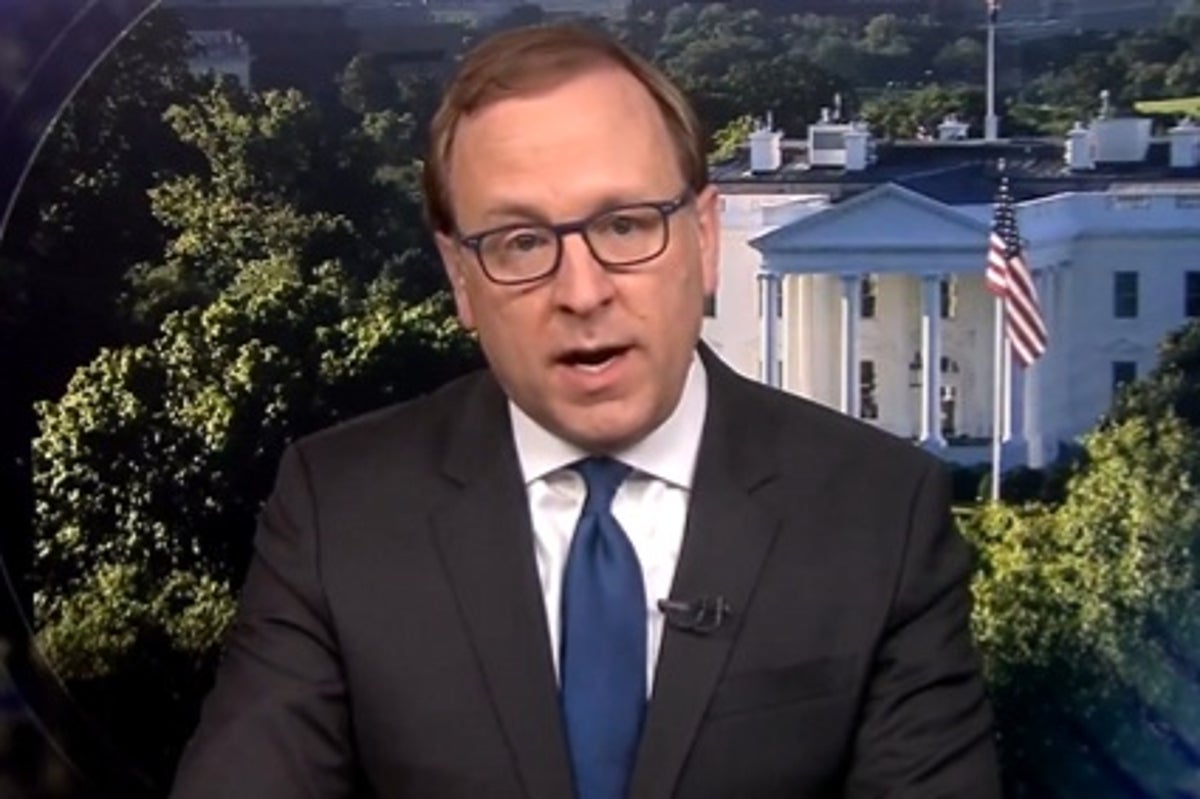
Donald Trump does not call reporters to chat. He calls to calibrate the narrative. Following the White House Correspondents’ Association Dinner, a ritual of the Washington establishment that he has long treated with open contempt, Trump’s immediate outreach to a prominent news anchor was less about a specific grievance and more about the maintenance of his own media ecosystem. The phone call serves as a blunt instrument. It is used to reward, to punish, or to ensure that even when he is the target of the jokes in a ballroom he refused to enter, he remains the one directing the conversation the next morning.
The "third rate" label he applied to an ABC News anchor is a familiar gear in the Trump machinery. By diminishing the messenger, he attempts to insulate himself from the message. This isn't just a fit of pique; it is a recurring strategy of dominance that forces the press to defend its own legitimacy rather than scrutinize his actions.
The Art of the Narrative Pivot
While the media spent the evening dissecting the political implications of the dinner’s speeches, Trump was already working the phones to ensure the follow-up coverage focused on his terms. The move is a classic distraction technique. If the press is busy reporting on his insults, they aren't focusing on the substance of the policy critiques leveled during the event.
The timing is the most important factor here. The morning after a major media event is when the "conventional wisdom" of the beltway settles into concrete talking points. By injecting himself into that window, Trump disrupts the settling process. He creates a secondary news cycle that competes with the primary one. It is a competition for oxygen, and Trump knows how to breathe better than anyone in the room.
Why Media Confrontation Works for the Base
For Trump’s core supporters, every insult directed at a mainstream journalist is a win. They see these anchors not as neutral observers, but as active participants in a system they believe is rigged against them. When Trump calls an anchor "third rate," he is speaking directly to a constituency that feels ignored by the cultural elite.
- Validation of Grievance: His attacks mirror the frustration his followers feel toward traditional media.
- Demonstration of Power: It shows he can bypass formal channels and confront his critics directly.
- Defining the Enemy: It keeps the "media as the opposition party" narrative alive and well.
Psychological Warfare in the Newsroom
Journalists often struggle with how to handle these interactions. If they ignore the call, they miss a potential scoop or a chance to get a quote on the record. If they report it, they become part of the circus. Trump understands this tension. He uses the phone as a way to get inside the heads of the people who cover him, making them wonder if they are being played even as they type out the story.
The "two things on his mind" mentioned in reports are rarely about the country's long-term fiscal health or foreign policy nuances. They are usually about ratings and perceived slights. By focusing on these two areas, he forces the media to operate within a framework of personal conflict rather than institutional accountability.
The Decay of the Correspondents Dinner
The White House Correspondents’ Dinner itself has changed significantly over the last decade, partly due to Trump’s refusal to attend. What used to be a night of bipartisan ribbing has become a high-stakes cultural battleground. Without the President in the room to take the jokes in person, the event loses its traditional "safety valve" function.
The dinner now feels like an echo chamber. When the comedians on stage attack a man who isn't there to defend himself, it provides Trump with the perfect "victim" narrative. He can claim he is being bullied by a bunch of "out-of-touch elites" while he is out among "real Americans." It is a powerful image that he reinforces with every post-dinner phone call and social media post.
The Mechanics of the Morning After
Trump’s morning-after calls are not random. They are targeted. He picks the outlets that have the most influence over the day's narrative.
- Selection: He chooses a target that has recently criticized him or that he believes is "weak."
- The Hook: He provides just enough information or a sharp enough insult to ensure it becomes a headline.
- The Amplification: Once the story breaks, his team amplifies it across social media, creating a feedback loop.
This cycle ensures that the "mainstream" news coverage is constantly reacting to him, rather than setting its own agenda. It is a perpetual motion machine of media management.
The Long Game of Media Skepticism
The ultimate goal of this behavior is to create a general sense of skepticism toward all information. If everything is a "fight," then there is no objective truth—only your side and their side. By constantly attacking the credibility of seasoned journalists, Trump makes it harder for the average person to know what to believe.
This isn't just about winning a single news cycle. It's about a long-term erosion of trust in the institutions that are supposed to hold power to account. When the "third rate" anchor reports something critical of Trump, the seeds of doubt have already been planted in the minds of the audience. They don't see a reporter doing their job; they see a "third rate" hack with a grudge.
Historical Context of Presidential Media Feuds
While Trump’s approach is more aggressive and public, he is not the first president to have a rocky relationship with the press.
- Thomas Jefferson: Famously hated the newspapers of his day, despite his public defense of the First Amendment.
- Richard Nixon: Kept an actual "enemies list" that included several prominent journalists.
- Lyndon Johnson: Was known for calling reporters in the middle of the night to bark orders or complain about coverage.
The difference with Trump is the transparency and the frequency. He doesn't hide his disdain; he uses it as a central pillar of his political identity. He has turned the media feud into a form of mass entertainment that serves his political ends.
The Anchor as the Proxy
By targeting a specific anchor, Trump makes the conflict personal. It’s no longer "The Trump Administration vs. ABC News." It’s "Donald Trump vs. [Anchor Name]." This personalization makes the conflict easier for the public to digest. It turns a complex institutional struggle into a simple heavyweight bout.
The anchor in question is often forced into a no-win situation. If they fire back, they look biased. If they stay silent, they look weak. Trump thrives in this gray area, where he can claim victory regardless of the response. He isn't looking for a fair fight; he's looking for a spectacle.
The Economic Reality of the Feud
We also have to consider the business side of this relationship. Trump is good for ratings. The media outlets he attacks often see a spike in viewership and engagement when they are in his crosshairs. This creates a strange, symbiotic relationship where both parties benefit from the conflict, even as they claim to despise each other.
The "morning after" call is a gift to a cable news network. It provides hours of content, panels of experts to discuss "the tweet" or "the call," and a clear narrative for the day. This economic incentive makes it very difficult for the media to ever truly walk away from the circus. They are as addicted to the drama as he is.
The Impact on Public Discourse
The casualty in all of this is, of course, the quality of public discourse. When the most powerful people in the country are arguing about who is "third rate," there is very little room left for discussing the actual problems facing the nation. The oxygen is all gone.
- Policy Neglect: Complex issues like infrastructure or healthcare are pushed to the sidelines in favor of personal insults.
- Polarization: The constant conflict reinforces the divide between different segments of the population.
- Apathy: Many people simply tune out altogether, exhausted by the constant noise.
Breaking the Cycle
How does the media break out of this loop? It would require a fundamental shift in how they cover the former president. It would mean ignoring the insults and the personal attacks to focus strictly on the actions and the policies. But in a world driven by clicks and ratings, that is a very tall order.
The morning-after call is a reminder that Trump is still the most effective media manager in the world. He knows exactly which buttons to push to get the reaction he wants. Until the media learns to stop reacting, he will continue to be the one holding the remote control.
The focus shouldn't be on the insult itself, but on the fact that the insult is a tool. It is a piece of equipment used to build a wall between the leader and the truth. Every time we focus on the "third rate" comment, we are helping him build that wall a little higher. The real story isn't that he called; it's why we still feel the need to answer.
Stop answering the phone. Focus on the facts.



