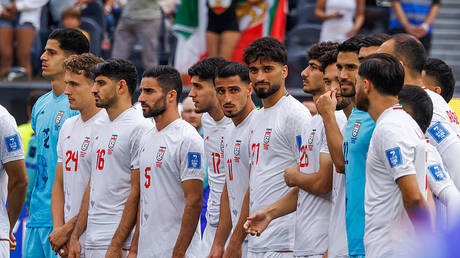
International football usually does everything it can to wrap itself in a protective layer of corporate neutrality. FIFA rules demand it, managers preach it, and PR handlers enforce it with terrifying efficiency. But during England's World Cup stalemate against Ghana in Boston, that carefully constructed wall cracked completely wide open.
The 0-0 draw on the pitch will barely be remembered. Instead, the entire match was overshadowed by a single moment before kick-off, when Tottenham and England defender Djed Spence appeared to pointedly refuse to shake the hand of Ghana midfielder Thomas Partey.
It wasn’t a clumsy miss or an accidental glance. Social media footage quickly revealed that as the two teams moved down the line after the national anthems, Spence deliberately dropped his right hand into his tracksuit pocket exactly as he approached the former Arsenal midfielder. He shook hands with the player right before Partey, and he resumed shaking hands with the player right after him.
Partey, visibly surprised, offered a brief glance back before moving along. The statement had been made, the crowd took its cue, and the toxic undercurrent of a massive off-field legal battle spilled directly onto the grass of Boston Stadium.
The Backdrop Behind the Boston Boos
If you want to understand why Spence did what he did, and why the stadium erupted every single time Partey touched the ball, you have to look at the legal cloud following the Ghana international.
The 33-year-old midfielder, who spent five seasons at Arsenal and now plays for Spanish side Villarreal, is currently facing serious criminal proceedings in the United Kingdom. He has been charged with multiple counts of rape and sexual assault involving allegations from four different women between 2020 and 2022. He has vehemently denied all charges and is scheduled to stand trial next summer to attempt to clear his name.
Because of these ongoing legal issues, Partey's World Cup journey has already been an administrative mess. He completely missed Ghana's opening Group L victory over Panama in Toronto because Canadian immigration officials denied him a visa. A federal court in Canada even rejected his appeal, noting that he had failed to disclose the criminal charges on his initial application documents.
The United States, however, granted him entry. That set the stage for his return to the Black Stars' lineup against England, a country where his legal troubles have been front-page news for years.
English fans didn’t wait for the referee's whistle to show where they stood. They jeered his name during the pre-match team announcements and relentlessly booed his early touches. But while fan hostility is a standard part of tournament football, a player taking a public, moral stance against an opponent on the pitch is incredibly rare.
When the PR Machine Fails to Lock Down the Narrative
Predictably, the post-match press conferences became an exercise in damage control and media censorship. Football federations hate when real-world morality interferes with their matches.
When reporters tried to grill England manager Thomas Tuchel on Spence's actions, England Communications Lead Andy Walker stepped in instantly, blocking the German boss from answering due to "legal" restrictions regarding the upcoming trial. They did the exact same thing to defender Dan Burn when he was asked if the squad had discussed how to handle facing Partey.
On the flip side, Ghana coach Carlos Queiroz tried to rewrite the reality of what thousands of fans saw on video. He claimed the snub simply didn't happen.
"Look, this did not happen," Queiroz insisted to reporters after the match. "We refuse to be part of people that try to bring dust and politics inside the game. We fight to keep the four lines sacred. It's difficult sometimes, but it happens."
Honestly, calling a protest against sexual violence allegations "politics" is a massive stretch, and trying to pretend a viral video clip doesn't exist is a bold strategy even for an experienced manager. The reality is that the "four lines" of a football pitch are never truly sacred from the real world.
The Hypocrisy Facing FIFA Selection Protocols
Spence's silent protest has ignited a much larger, necessary conversation about why these situations are allowed to happen in the first place. Fans online immediately began drawing comparisons to other high-profile players facing serious legal scrutiny on the global stage.
Many questioned why Morocco captain Achraf Hakimi has been allowed to feature prominently for his country while facing his own rape allegations and an impending trial. Others pointed out the bizarre discrepancies in international visa allocations, where some teams face massive bureaucratic hurdles to get their squads into the tournament while players with active criminal charges are allowed through the gates depending on which border they cross.
The Football Association gave no specific guidance to England’s players before the game on how to interact with Partey. They expected everyone to just follow standard FIFA protocols, smile for the cameras, and move on. Spence decided he wasn't going to play along with the corporate script.
By making that choice, he showed that the modern footballer isn't always a media-trained robot willing to compartmentalize severe real-world allegations for the sake of 90 minutes of sport. It leaves the FA and FIFA in a precarious position where they must decide if enforcing pre-match handshake etiquette is more important than a player's personal conscience.
Next up for both teams is navigating the final group stage fixtures as they look to secure a spot in the round of 32. But no matter what happens on the scoreboard, the conversation surrounding safety, accountability, and justice in professional football isn't going away. Expect more players to follow Spence's blueprint when Governing bodies refuse to take a definitive stand.