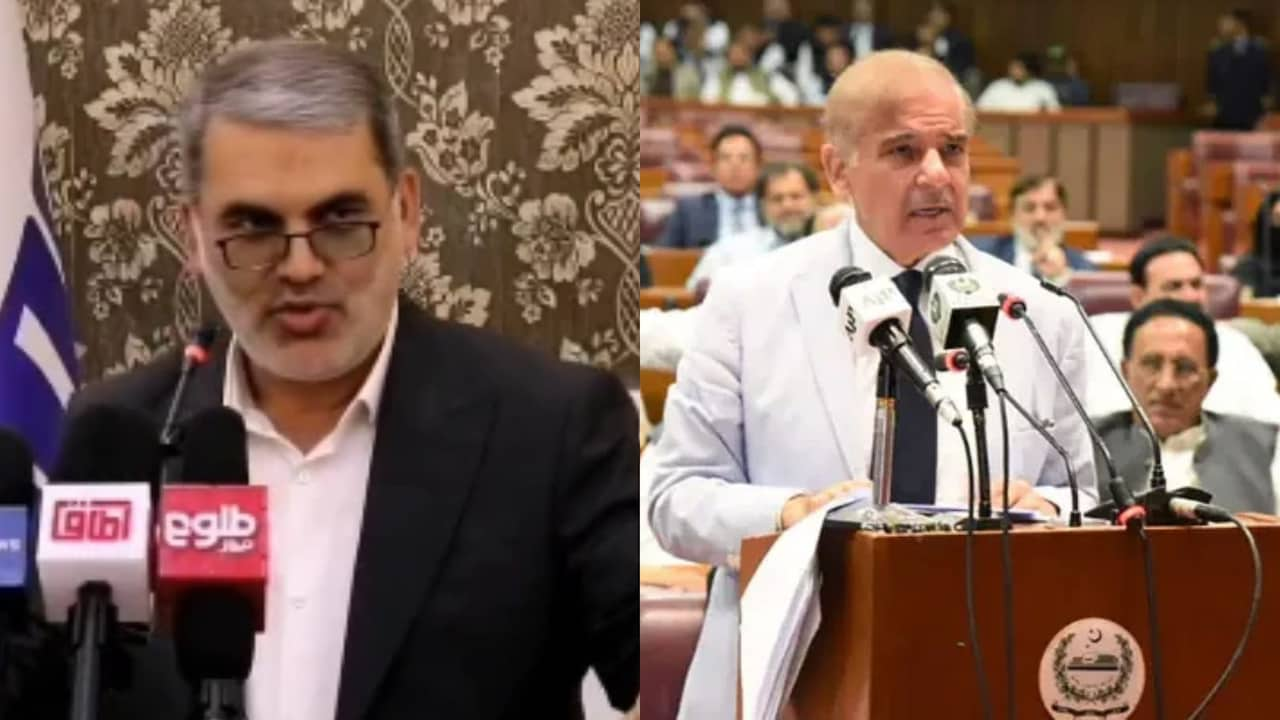
Geopolitics rarely operates on pure goodwill. When an Iranian parliamentarian publicly ridiculed a Pakistani diplomatic initiative by claiming that even a social media post was drafted by external powers, the barb exposed a much deeper fracture in regional relations. The exchange was not merely a diplomatic gaffe. It was a calculated symptom of rising friction along a volatile frontier where sovereignty, security, and cross-border militancy collide daily.
Pakistan has long positioned itself as a willing intermediary in regional disputes. Yet Tehran’s sharp public dismissal of Islamabad’s mediation efforts signals that Iran views these overtures with deep skepticism. To understand why a diplomatic gesture met such biting mockery, one must look beyond the rhetoric and examine the strategic reality governing the borderlands between the two nations. Recently making news in related news: The Math of Defiance Why Small Majorities Invite Electoral Sabotage.
The Security Dilemma on the Balochistan Frontier
The friction is rooted in geography and security failures. Both governments share a porous, highly contested border running through the Balochistan region. Separatist and extremist groups have historically utilized this remote terrain to stage attacks against security forces on both sides.
For Tehran, cross-border raids by insurgent factions represent an intolerable security threat. Iranian officials have repeatedly accused their neighbors of failing to secure the perimeter effectively, allowing armed actors to slip across the line with impunity. When Islamabad offers to mediate regional tensions, Iranian leadership responds not with gratitude, but with frustration over unresolved security liabilities at home. Further information into this topic are explored by Al Jazeera.
Pakistan faces its own domestic pressures. Economic instability and internal political turmoil make large-scale military deployments along the western frontier extraordinarily difficult. Islamabad needs regional stability to focus on domestic recovery, yet it finds itself caught between the demands of external partners and the volatile security expectations of its western neighbor.
The Regional Chessboard and External Pressures
Tehran's cynical reaction to Pakistani diplomacy also reflects broader anxieties regarding foreign influence. Iran operates in a state of perpetual strategic paranoia, shaped by decades of international isolation, economic sanctions, and covert operations. When a neighbor with close defense ties to Western and Gulf states attempts to broker peace or manage regional flashpoints, Tehran looks for hidden agendas.
The accusation that a diplomatic message was authored elsewhere is a standard rhetorical device in modern statecraft. It is designed to strip an adversary or a rival mediator of agency. By framing Pakistan’s mediation as outsourced strategy, Iranian hardliners effectively neutralize Islamabad's diplomatic leverage without having to engage with the substance of the proposal.
This dynamic highlights the limits of middle-power diplomacy in South and West Asia. Nations caught between major power competition often find that their good offices are viewed through a lens of suspicion. Trust is scarce, and historical grievances compound current anxieties.
The Cost of Public Posturing
Public mockery between neighboring states yields tangible consequences. It hardens negotiating positions and closes off vital backchannel communications. Intelligence agencies and foreign ministries rely on discretion to manage crises, but when disputes spill into public view, leaders face domestic pressure to project strength rather than seek compromise.
The Balochistan border will not stabilize through public insults. Both capitals understand that economic integration, intelligence sharing, and joint border management are the only practical antidotes to cross-border violence. Yet domestic political incentives frequently override long-term strategic sense. Hardline factions in both countries benefit from maintaining an external enemy, using friction to consolidate power and deflect attention from internal governance failures.
Moving Beyond the Rhetoric
The mockery of diplomatic outreach serves as a reminder that regional stability cannot be conjured through press releases or state visits. It requires mutual respect and a hard-nosed acknowledgment of shared vulnerabilities. Until both governments address the security vacuum in their borderlands and decouple regional diplomacy from domestic political posturing, peace initiatives will continue to meet cynicism.
The border remains as porous as ever. The militant networks continue to exploit the terrain. And the diplomats are left shouting across a chasm of mutual distrust, where a sarcastic remark carries further than an olive branch.