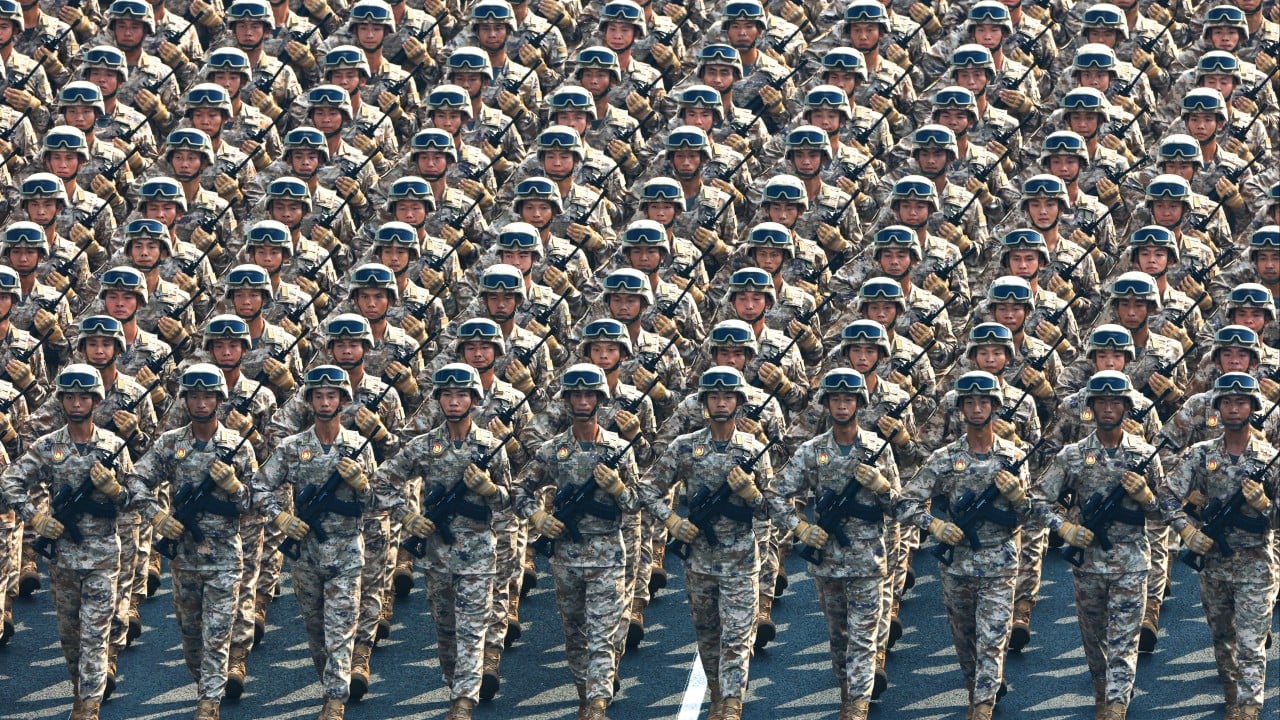
Western defense headlines love big numbers. Whenever Beijing announces an annual defense budget increase—like the 7.2 percent bump in 2024 or the steady climbs through 2025 and 2026—pundits immediately point to aircraft carriers, stealth fighters, and hypersonic missiles.
They miss what's happening in the administrative offices.
Right alongside those massive hardware investments, the People’s Liberation Army (PLA) has been enforcing a strict, sometimes bizarrely granular austerity campaign. Under Xi Jinping's "tighten the belt" (guo jin rizi) directive, military units across China aren't just hunting down multi-million-dollar procurement kickbacks. They're rationing printer paper, banning single-sided printing, auditing canteen leftovers, and slashing conference budgets.
If you've spent any time tracking Chinese military logistics or reading dispatches from the PLA Daily, this contrast looks jarring at first. Why would a superpower building a blue-water navy care whether a battalion clerk in Shenyang prints a memo on both sides of an A4 sheet?
The answer isn't that China is running out of cash. Far from it. The PLA austerity drive is actually a dual-purpose tool—part genuine resource reallocation for modern warfare, and part intense political discipline designed to break entrenched bureaucratic habits.
Why Beijing Is Rationing Paper While Buying Stealth Fighters
To understand the PLA's penny-pinching, you have to separate operational spending from administrative bloat.
For decades, the Chinese military suffered from what insiders called "peace disease" (heping bing). During the 1990s and 2000s, garrison life for many officers involved lavish banquets, sprawling guesthouses, fleets of luxury sedans, and endless paperwork generated simply to justify departmental existence. Even after Xi launched his sweeping anti-corruption purges in 2012, low-level administrative waste proved stubbornly hard to kill.
Modern warfare is expensive. Training a single J-20 stealth fighter pilot, maintaining nuclear-powered submarines, or running continuous joint exercises around Taiwan eats through fuel, munitions, and maintenance budgets at an alarming rate. Every yuan spent on decorative flower arrangements for a visiting general or redundant printed binders is a yuan taken away from live-fire drills.
So Beijing tightened the screws on non-combat expenses.
In official directives published by the Central Military Commission (CMC) and amplified through state media, units have been ordered to implement strict lifecycle management for basic office supplies. Double-sided printing isn't just a polite environmental suggestion in PLA barracks anymore. It's an auditable metric. Units track paper consumption, electricity usage in non-operational buildings, and official vehicle mileage down to the decimal.
Honestly, it sounds micromanaged because it is. When a top-down bureaucracy decides to cut waste, it rarely relies on individual judgment. Instead, it creates rigid quotas that force local commanders to prove their loyalty through visible frugality.
What the PLA Austerity Campaign Actually Looks Like on the Ground
If you look past the broad slogans, the daily reality of the PLA's cost-cutting measures reveals how deeply Beijing wants to reshape military culture. Based on reports from the PLA Daily and regional theater command bulletins, the crackdown hits several specific areas.
The War on Administrative Paperwork
Chinese bureaucracies—civilian and military alike—run on paper. Historically, preparing for an inspection meant printing thick, glossy briefing books for every attending officer, often printed single-sided on heavy stock and bound in plastic.
Recent CMC logistics guidelines explicitly target these "formalistic" expenses. Commands now mandate paperless meetings wherever classified network security allows. When physical documents are required, double-sided black-and-white printing is standard, and draft documents are routinely printed on the blank backs of discarded sheets. Some brigades have even centralized printer access, requiring staff officers to log print jobs with an ID card so administrators can flag excessive usage.
Canteen Audits and the "Clean Plate" Mandate
Food waste has been a personal fixation for Xi Jinping since his 2020 "Operation Empty Plate" campaign, and the military took that directive to extremes.
PLA mess halls have rolled out smart-weighing systems and strict headcount reporting. Kitchens adjust portion sizes dynamically based on daily training intensity—a unit returning from a 20-kilometer forced march gets higher caloric rations than staff officers sitting at desks. Leftover food waste is weighed after meals, and units with high scrap rates face public criticism in internal garrison newsletters.
Infrastructure and Renovation Freezes
Walk onto an older PLA base today, and you'll notice fewer shiny new office buildings. Construction budgets have been heavily skewed toward combat readiness—hardened aircraft shelters, automated ammunition depots, and realistic urban combat training towns.
Meanwhile, requests to renovate administrative headquarters, upgrade officer quarters, or build ornamental gates are routinely rejected. Equipment maintenance has followed a similar path. Instead of automatically ordering brand-new replacement parts for minor wear and tear, military repair battalions are pushed to refurbish existing components and extend service lifespans through in-house technical innovation.
Travel and Conference Caps
The days of holding week-long military theoretical seminars at scenic resort hotels are long gone. Video teleconferencing has replaced thousands of routine cross-country trips. When travel is unavoidable, officers face strict caps on accommodation tiers, meal allowances, and per diems, mirroring the civilian civil service's "Eight-Point Regulation" rules.
The Hidden Link Between Petty Frugality and Anti-Corruption
Here's what most casual observers get wrong about this entire campaign. They assume printing on both sides of a page is meant to save billions of dollars.
It won't. Paper clips and toner cartridges are rounding errors in a $230-plus billion defense budget.
The real target isn't the cost of the paper. It's the culture of entitlement. In the PLA's political work system, small indulgences are viewed as the gateway to major corruption. If a logistics officer feels comfortable inflating office supply orders or padding catering bills for a minor conference, that same mindset eventually scales up to rigging construction bids or taking bribes from defense contractors.
Look at the high-profile purges that rocked the PLA Rocket Force and the Equipment Development Department between 2023 and 2025. Those scandals exposed massive graft in missile procurement and infrastructure projects. When Beijing responds to billion-dollar corruption by enforcing strict rules on canteen leftovers and printer ink, it's applying a classic political control method.
By policing the smallest details of daily life, party commissars remind every officer—from junior lieutenants to major generals—that their behavior is constantly monitored. Frugality becomes a visible test of ideological compliance. If you complain about reusing scrap paper, you're signaling that you haven't internalized the party's discipline.
Where This Strategy Works and Where It Backfires
Having watched how large military bureaucracies operate, I've seen austerity drives produce mixed results. They solve real problems, yet they almost always create weird second-order headaches.
On the positive side, forcing a massive organization to audit its baseline spending eliminates staggering amounts of quiet waste. When tens of thousands of individual units cut their utility bills, vehicle fuel consumption, and office supply orders by 15 or 20 percent, the cumulative savings genuinely free up funds for higher-priority accounts. In the PLA's case, those savings help offset the rising personnel costs of attracting educated tech specialists into the ranks, as well as the soaring price of naval and aviation fuel.
It also forces logistical self-reliance. Teaching mechanics to repair circuit boards rather than simply tossing them out builds practical troubleshooting skills that matter when supply lines get bombed in an actual war.
The downside? Performative compliance.
When career advancement depends on looking frugal, officers start optimizing for optics rather than actual efficiency. You end up with staff officers spending thirty minutes manually re-feeding scrap paper into a jammed printer to save two cents worth of pulp, wasting labor hours that cost far more. Or unit commanders delaying necessary maintenance on training vehicles just so their quarterly expense report looks leaner than the neighboring regiment's.
There's also a morale factor. Modern PLA recruits are largely single children raised in relatively comfortable urban or suburban households. Asking them to endure spartan living conditions and strict rationing during peacetime works fine when it's tied to rugged field exercises, because soldiers respect tough training. When it feels like petty bureaucratic penny-pinching over basic comfort, it breeds quiet resentment.
How to Read PLA Budget Signals Without Getting Fooled
If you follow Indo-Pacific security, defense economics, or Chinese politics, don't dismiss these stories about PLA austerity as quirky human-interest filler. They are direct indicators of how Beijing manages internal pressure.
When state media heavily promotes "tightening the belt" inside the military, pay attention to three specific signals:
- Procurement stress is real. Heavy emphasis on extending equipment lifespans and recycling spare parts usually means supply chains are strained or high-end weapons programs are running over budget.
- Political inspections are ramping up. Waves of articles praising frugal brigades almost always coincide with Central Military Commission audit teams sweeping through regional commands to root out graft.
- Combat readiness remains the sole protected budget line. Notice what isn't being cut. Flight hours, naval deployments in the South China Sea, and joint amphibious drills continue expanding regardless of how tightly administrative offices ration their stationery.
Start reading PLA Daily logistics columns alongside Western think tank hardware assessments—groups like the Center for Strategic and International Studies (CSIS) or the International Institute for Strategic Studies (IISS) regularly track how China's defense spending translates into actual capability. When you match the macro numbers against the micro habits, you get a much clearer picture of a military trying desperately to shed its bureaucratic fat before it ever has to fight a modern war.